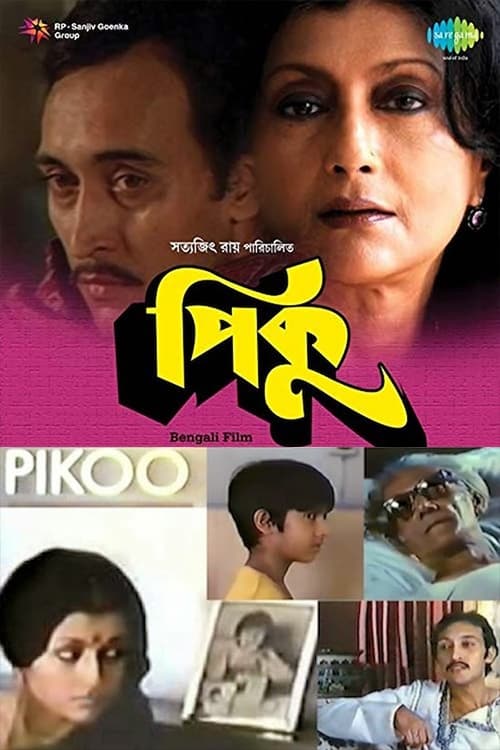
Pikoo
1981
No user ratings available yet
Representation score: 7.5 out of 10
Representation Score
Limited
1981
Director
Satyajit Ray
Runtime
45 minutes
Average Rating
No ratings yetNew Showbiz Analysis
Satyajit Ray’s *Sadgati* is a powerful critique of social structures, particularly focusing on the exploitation of a Dalit worker by a Brahmin priest. The film dismantles the moral authority of religious institutions, presenting them as tools of oppression. While the film does not include LGBTQ+ or disability representation, it offers a detailed look at caste-based power dynamics and institutional corruption. The narrative prioritizes the experiences of underrepresented individuals over upholding traditional social hierarchies.
Category Breakdown
The film contains no LGBTQ+ characters or themes. The narrative focus remains strictly on the intersection of caste and class.
Women are shown primarily within domestic settings, while the male protagonists have more control over the plot. The film does not challenge traditional gender roles.
The film gives significant importance to Basanta, a Dalit character, highlighting the deep divisions within Indian society based on caste and class.
It effectively critiques the misuse of religion and tradition, portraying religious institutions as corrupt and oppressive.
No depictions of physical or neurodivergent disabilities are central to the narrative arc.
Present on Screen
Limited or Absent
Official Synopsis
When a poor and out-caste village tanner goes to village priest to get the date of his daughter's marriage fixed, the priest in turn asks for labor without pay in exchange.
1981

1959

1974
1955

1984

2005

1977

2013
No reviews yet. Be the first to share your thoughts on this movie!
Use the rating form above to leave a star rating and optional review.