
Conquest of Cochise
1953
No user ratings available yet
Representation score: 0.9 out of 10
Representation Score
Limited
1951
NRDirector
Irving Reis
Runtime
76 minutes
Average Rating
No ratings yetNew Showbiz Analysis
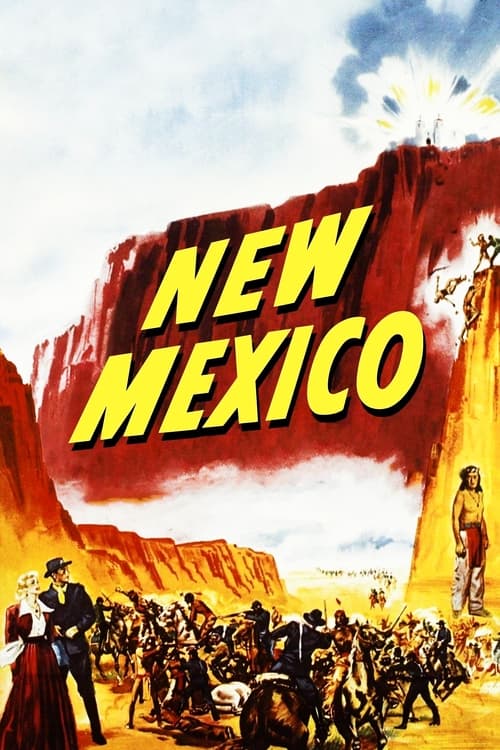
New Mexico is a mid-century Western that fits within the typical boundaries of its time. While it doesn't include modern multi-layered complexities, it slightly deviates from usual genre clichés by showing Indigenous characters with ability to act. The film's strength lies in its portrayal of Chief Acoma, who stands up to military provocations instead of being a passive figure. However, the narrative heavily focuses on masculine-coded military and tribal power structures. Overall, the film functions as a traditional genre piece. It critiques systemic military aggression but does so through a conventional lens of honor and conflict, without broader social deconstruction.
Category Breakdown
The film follows the traditional assumptions that everyone is straight and cisgender, typical of 1951 cinema. There are no LGBTQ+ characters or stories involving non-straight relationships.
The story centers around roles traditionally associated with masculinity, such as military leadership and tribal authority. It emphasizes institutional power and conflict over challenging traditional gender roles.
The film explores the tensions between the U.S. Cavalry and Indigenous communities. Chief Acoma is shown taking a strong stance, refusing to accept military insults.
The movie looks at the balance between personal diplomacy and the aggressive actions of the military. It operates within a traditional Western framework focused on honor and tribal rights.
There is no indication that disability, whether visible or invisible, plays a role in the character arcs or plot development.
Present on Screen
Limited or Absent
Official Synopsis
Captain Hunt of the cavalry is trying to promote good relations with the Indian chief Acoma. But Hunt's superiors in the military insist on pursuing policies that will provoke a conflict, and Chief Acoma is not willing to let himself be insulted.
1953
1963

1951
1964

1956
1948
1958
1964
No reviews yet. Be the first to share your thoughts on this movie!
Use the rating form above to leave a star rating and optional review.