Gone with the West
1975
No user ratings available yet
Representation score: 4.7 out of 10
Representation Score
Limited
1957
NRDirector
Bernard Girard
Runtime
78 minutes
Average Rating
No ratings yetNew Showbiz Analysis
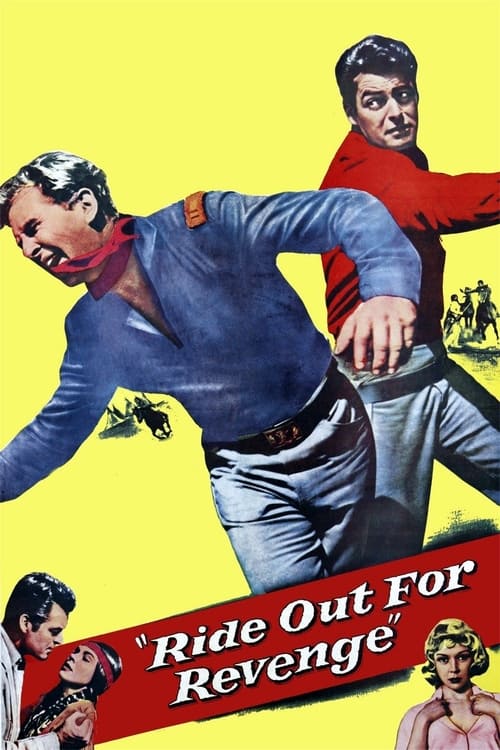
Ride Out for Revenge is a classic mid-century Western that emphasizes traditional genre clichés over modern complexity. The story focuses on a conflict between a hateful town and an indigenous group, framed through the lens of individual heroism. While the film introduces racial tension by featuring an indigenous chief seeking retribution, it lacks nuanced character development. The plot appears to follow the conventional masculine heroism typical of the 1950s. Overall, the film reflects the limitations of its time, emphasizing law and order rather than a broader critique.
Category Breakdown
The film does not include any non-straight or non-cisgender identities or same-sex relationships. It seems to follow the strict heterosexual norms common in 1957.
The story revolves around an ex-marshal, a role traditionally associated with masculinity. There is no evidence of female characters having significant influence or challenging gender roles.
The movie addresses racial tension through an indigenous chief seeking revenge. However, it’s unclear if these characters have depth or if they are just used as typical story elements.
The themes are based on traditional Western ideas of justice and vengeance. The story follows typical moral frameworks of the mid-1950s without deeper analysis.
There is no information about the portrayal of physically or mentally diverse characters.
Present on Screen
Limited or Absent
Official Synopsis
When an Indian chief is murdered in a hateful town, a sympathizing ex marshal tries to stop the Indians from attacking for revenge.
1975
1966

1958
1956
1964
1967
1957
1958
No reviews yet. Be the first to share your thoughts on this movie!
Use the rating form above to leave a star rating and optional review.