The Invaders
1929
No user ratings available yet
Diversity score: 2.3 out of 10

1912
Not RatedDirector
Thomas H. Ince, Francis Ford
Runtime
41 minutes
Average Rating
No ratings yetSynopsis
The U.S. Army and the Indians sign a peace treaty. However, a group of surveyors trespass on the Indians' land and violate the treaty. The army refuses to listen to the Indians' complaints, and the surveyors are killed by the Indians. A vicious Indian war ensues, culminating in an Indian attack on an army fort.
Overall Score
Limited
Category Breakdown
LGBTQ+ Representation
The film offers no evidence of LGBTQ+ characters or non-heteronormative narratives. It adheres strictly to the traditional social frameworks of the early 20th century.
Gender Representation
The narrative focuses on military conflict and territorial disputes, themes dominated by masculine archetypes. It prioritizes male agency and traditional leadership over female roles.
Racial & Ethnic Diversity
Indigenous populations are central to the plot through their defense of land. However, the depiction remains framed within the common 'Indian War' trope of the era.
Religious & Cultural Diversity
The story explores treaty violations and institutional failure regarding land rights. It remains rooted in the Western frontier mythos and expansionist values.
Disability Representation
There are no visible or invisible disabilities portrayed. No characters are identified as having specific physical or neurodivergent traits.
Strengths
Areas for Improvement
AI Analysis
The Invaders is a foundational Western that reflects the socio-political constraints of 1912. The narrative architecture relies on traditional conflict patterns and historical tropes common to the genre. While the film provides a platform for Indigenous agency as a catalyst for the plot, it lacks intersectional complexity. The power dynamics reflect colonial tensions rather than a modern critique of systemic oppression. Ultimately, the film functions as a genre piece that reinforces the expansionist values of its time, offering little subversion of established social hierarchies.
1929
1932

1918

1957
1964
1941
1954
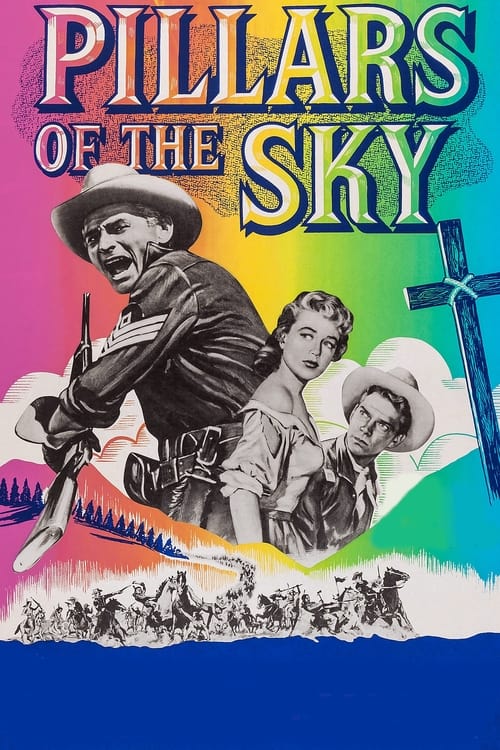
1956
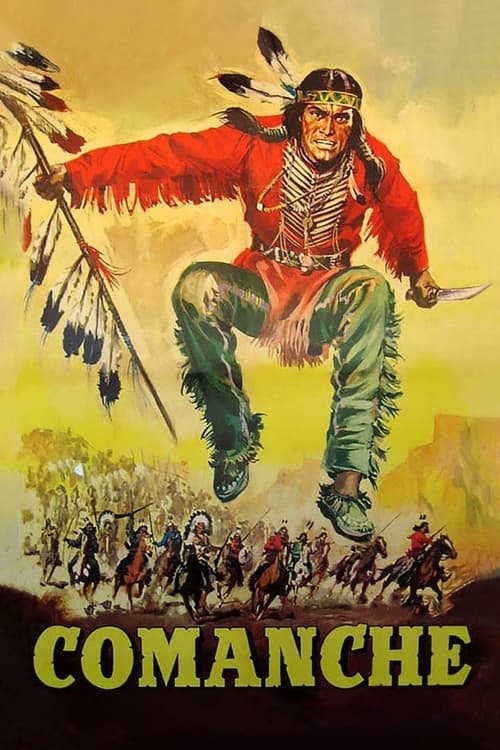
1956
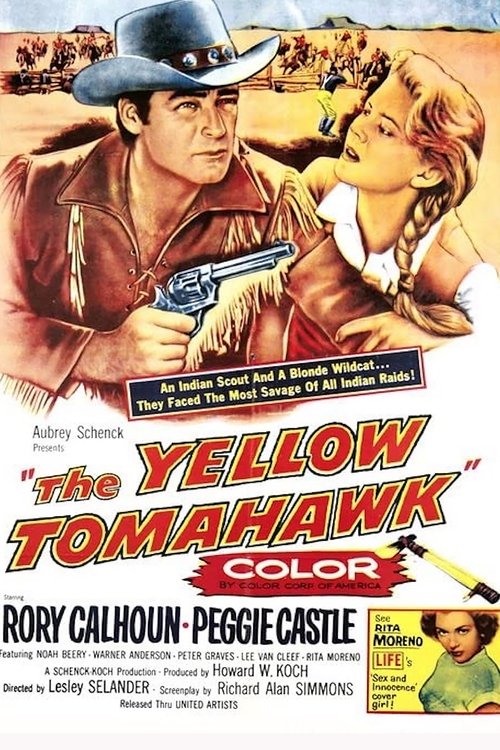
1954
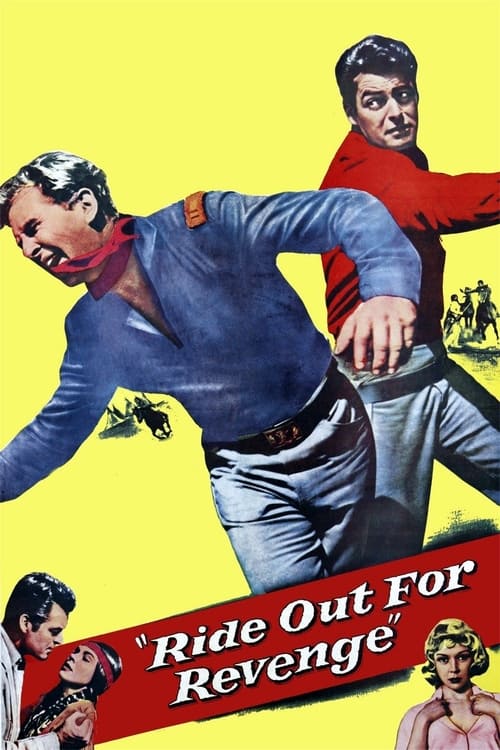
1957
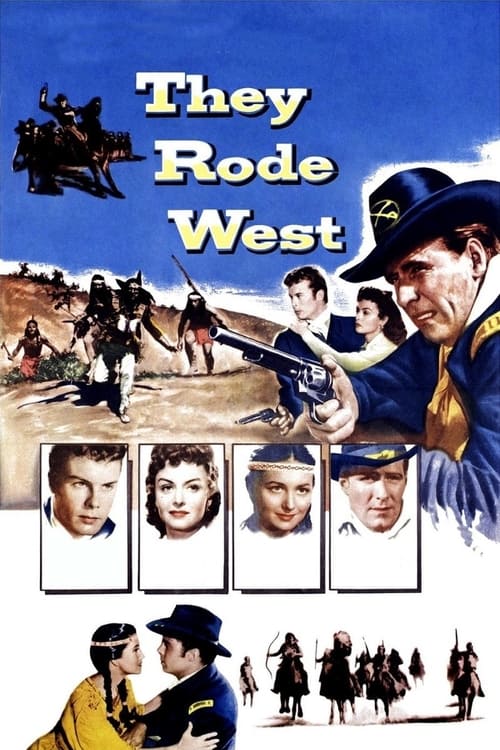
1954
No reviews yet. Be the first to share your thoughts on this movie!
Use the rating form above to leave a star rating and optional review.