Goyokin
1969
No user ratings available yet
Diversity score: 4.8 out of 10
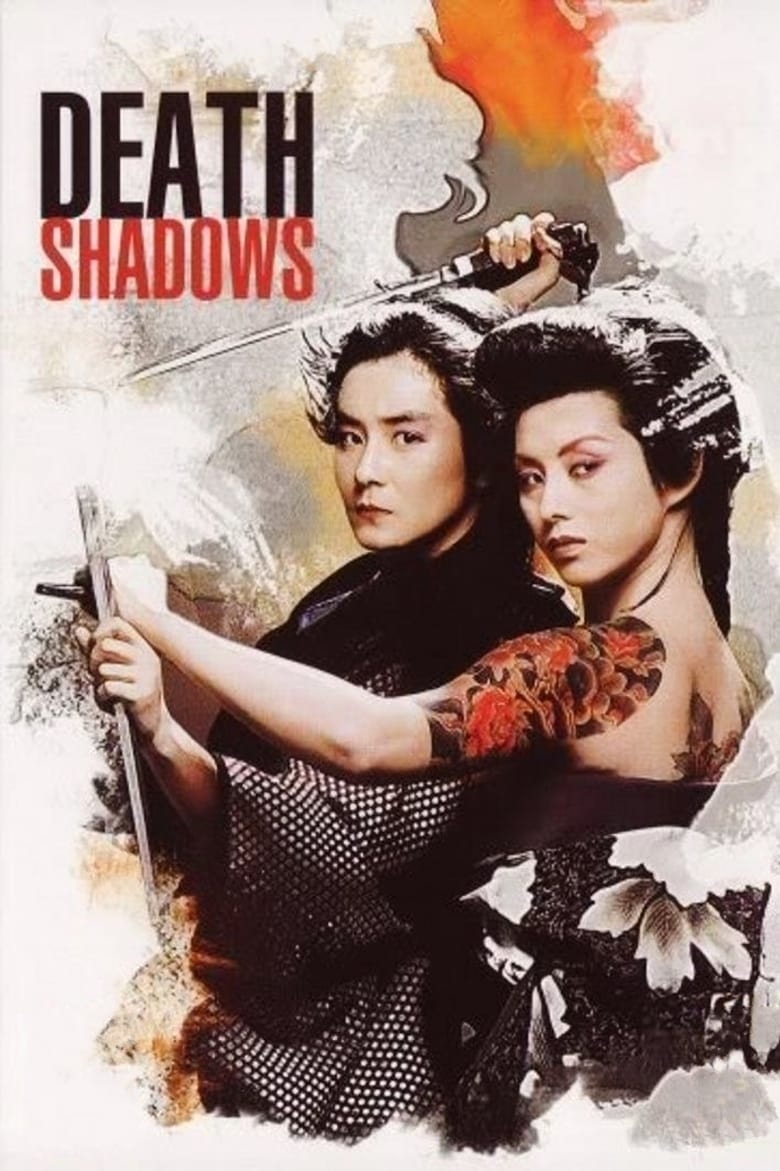
1986
Director
Hideo Gosha
Runtime
115 minutes
Average Rating
No ratings yetSynopsis
Three men sentenced to death are spared and changed into “shadows executioners”, a group of ruthless ninja working for mysterious high ranking officials. During their investigation on some illegal business, one of them, called “Yazuke the Viper”, finds his abandoned daughter, Ocho, who has now become a mistress of Denzo, a smuggler. After Yazuke’s death, Ocho is also recruited as a “shadows executioner”, with the task of completing her father’s mission.
Overall Score
Fair
Category Breakdown
LGBTQ+ Representation
The film lacks any visible representation of non-heteronormative identities. The narrative focus remains strictly on familial lineage and state-driven conflict.
Gender Representation
Ocho subverts traditional feminine roles by transitioning from a mistress to a central 'shadow executioner.' This arc provides a rare moment of female agency within the period action genre.
Racial & Ethnic Diversity
The film offers a culturally authentic Japanese perspective. It avoids a Western-centric lens by focusing on its own historical and social context.
Religious & Cultural Diversity
The story critiques established power structures and institutional morality. It portrays a skeptical view of centralized authority through its depiction of corrupt high-ranking officials.
Disability Representation
There is no information available regarding the depiction of physical or neurodivergent disabilities in this work.
Strengths
Areas for Improvement
AI Analysis
Death Shadows explores the friction between individual agency and rigid societal structures. By centering on characters marginalized by the state, the film provides a critique of institutional power and systemic violence. The narrative's strength lies in its subversion of traditional hierarchies. The transition of the protagonist role from Yazuke to Ocho disrupts patriarchal succession, allowing a marginalized figure to reclaim agency. While the film lacks LGBTQ+ or disability-focused narratives, its focus on the disenfranchised offers a meaningful layer of representation within the chanbara genre.
1969
1967

1964
2008
1966
1968
2005
1994
1964

1963
1963
1969
No reviews yet. Be the first to share your thoughts on this movie!
Use the rating form above to leave a star rating and optional review.