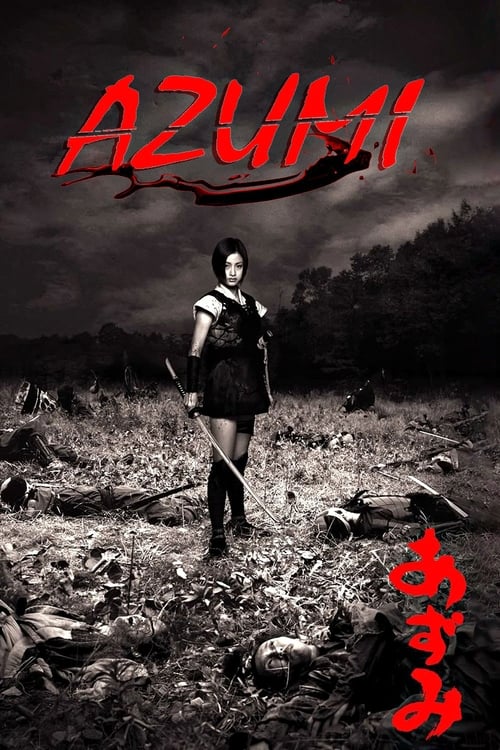
Azumi
2003
No user ratings available yet
Representation score: 6.3 out of 10
Representation Score
Limited
2005
NRDirector
Shusuke Kaneko
Runtime
108 minutes
Average Rating
No ratings yetNew Showbiz Analysis
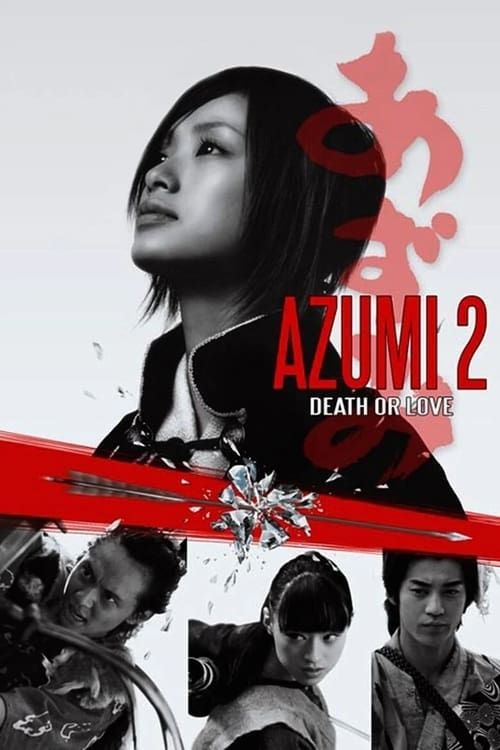
Azumi 2: Death or Love is a genre-driven action piece that prioritizes kinetic spectacle over sociopolitical commentary. While it avoids many Western-centric clichés by maintaining cultural authenticity to its Japanese setting, it lacks deep multi-layered complexity. The film's primary strength lies in its challenge to traditional gender hierarchies. By placing female protagonists in positions of tactical command and physical dominance, it moves beyond traditional patriarchal structures common in the genre. However, the narrative remains focused on individual ability to act and historical conflict. It does not engage in a broader deconstruction of social or identity-based power dynamics, keeping the scope limited to the immediate mission.
Category Breakdown
The film centers on the cyclical nature of violence and mission-driven character dynamics. There is no explicit depiction of LGBTQ+ identities or narratives that critique the assumption that everyone is straight or cisgender.
Female assassins Azumi and Nagara play key roles in the plot with significant influence. Their combat skills and strategic decisions challenge traditional expectations of gendered leadership in historical action.
As a Japanese historical production, the cast is predominantly made up of actors from similar backgrounds. This reflects cultural authenticity to the setting rather than an effort to include diverse ethnicities.
The story explores themes of duty and the moral ambiguity of assassination within a fatalistic historical framework. It operates through the established archetypes of the samurai and assassin.
There is no discernible portrayal of physical or neurodivergent disabilities within the narrative.
Present on Screen
Limited or Absent
Official Synopsis
Young assassins Azumi and Nagara continue their mission to prevent a civil war. In their hunt for Masayuki Sanada, who is protected by both an army and a dangerous clan, they meet Ginkaku, a person who shows a remarking resemblance with former friend Nachi.
2003
1972
1998

1972
2008
1980
1962
1995
No reviews yet. Be the first to share your thoughts on this movie!
Use the rating form above to leave a star rating and optional review.