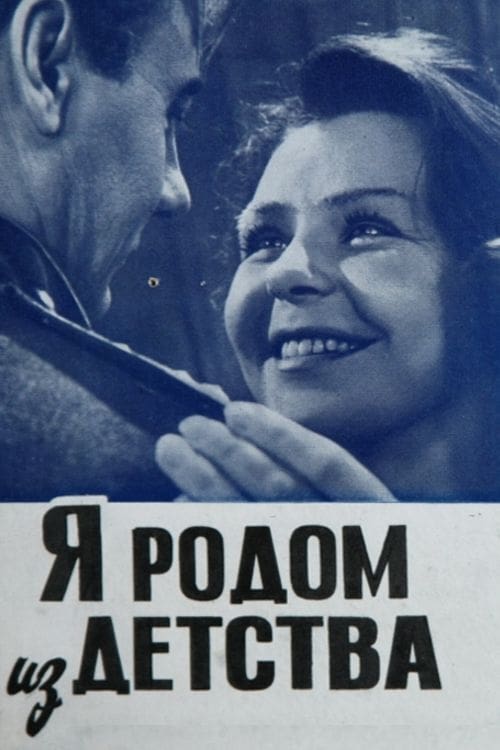
I Come From My Childhood
1966
No user ratings available yet
Representation score: 4.3 out of 10
Representation Score
Limited
1959
Director
Boris Barnet
Runtime
84 minutes
Average Rating
No ratings yetNew Showbiz Analysis
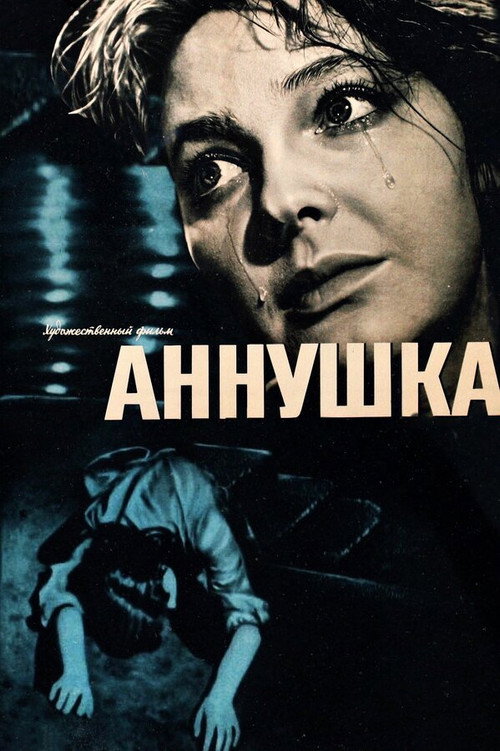
Annushka explores survival through a gendered lens, shaped by the ideological constraints of 1959 Soviet cinema. It challenges the typical male-centric wartime narratives by highlighting a woman's resilience. However, the film lacks diversity in terms of race, ethnicity, and LGBTQ+ identities. It also focuses solely on a mono-ethnic Slavic cast with no representation of characters with disabilities. Ultimately, while the film strongly portrays women's ability to drive the story within a collectivist framework, its narrow demographic scope limits its progressive impact.
Category Breakdown
The film follows traditional social norms of the time and does not include any non-binary gender identities or stories that challenge the assumption that everyone is straight or cisgender.
Anna Denisova plays a key role in driving the story forward rather than being a passive character. While the film emphasizes female resilience, it still relies on the cliché of motherhood to support state rebuilding efforts.
The casting reflects the homogeneous demographics of the region, showing a largely mono-ethnic Slavic population without diverse representation or actors playing roles outside their traditional ethnic background.
The narrative promotes a secular, state-oriented morality through a collectivist framework, prioritizing the survival of the commune and social good over individualist or capitalist goals.
The focus is on the physical endurance of the able-bodied working class. There is no depiction of characters with visible or invisible disabilities taking a leading role in the story.
Present on Screen
Limited or Absent
Official Synopsis
The main character, Anna Denisova, is a simple Russian woman, on whose shoulders all the hardships of wartime fell. Like all her compatriots, Annushka did everything in her power to bring Victory Day closer. In this war, she lost her husband, Pyotr, but managed to save the lives of her three children — Sasha, Nina and Granata. The trials of Annushka didn't end with the end of the war. In the first years of peace, all survivors had to survive the famine and spend their last strength on rebuilding the country.
1966
1948
1959

1959

1965
1978
1968
1977
No reviews yet. Be the first to share your thoughts on this movie!
Use the rating form above to leave a star rating and optional review.