Vassa
1983
No user ratings available yet
Representation score: 5.5 out of 10
Representation Score
Limited
1954
Director
Iosif Kheifits
Runtime
100 minutes
Average Rating
No ratings yetNew Showbiz Analysis
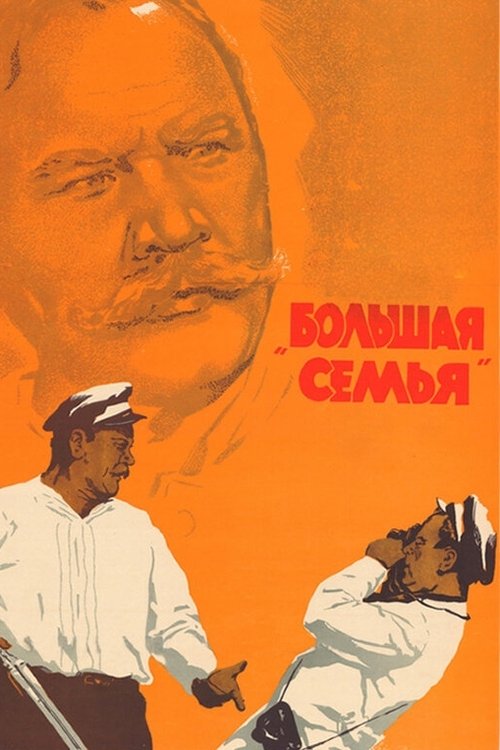
A Big Family is a product of its time, emphasizing social cohesion and collective stability. It studies a specific professional lineage within a uniform demographic context. The film promotes secularism and communal responsibility, replacing individualistic motivations with a focus on the broader social unit. However, it lacks the diverse identity representation found in more contemporary media, reinforcing traditional social hierarchies.
Category Breakdown
The film focuses on traditional family structures and does not depict any non-cisgender identities or narratives that challenge conventional norms.
Women are shown working both outside and inside the home, but the narrative emphasizes traditional domestic roles and a patriarchal hierarchy centered around the Zhurbin family.
The film portrays a uniform Soviet working-class community. It lacks diverse casting and does not explore identities beyond a specific professional lineage.
The story centers on secular, state-oriented values and the collective good over individual interests. It frames professional changes as necessary progress, reflecting the era's secular outlook.
While younger characters face significant life challenges, there is no specific depiction of physical or neurodivergent disabilities as central character traits.
Present on Screen
Limited or Absent
Official Synopsis
The characters of the picture are a large family of hereditary shipbuilders. Three generations of the Zhurbin live under one roof: grandfather Matvei, his son Ilya, three sons of Ilya — Aleksei, Anton and Viktor. In a short time, representatives of the fourth generation are born. The share of the youngest son of Aleksei fall the most severe life tests. The background for family conflicts is the reorganization of production. All Zhurbin's have to change their profession to move on.
1983

1961

1974

2017
1966

1957
1961
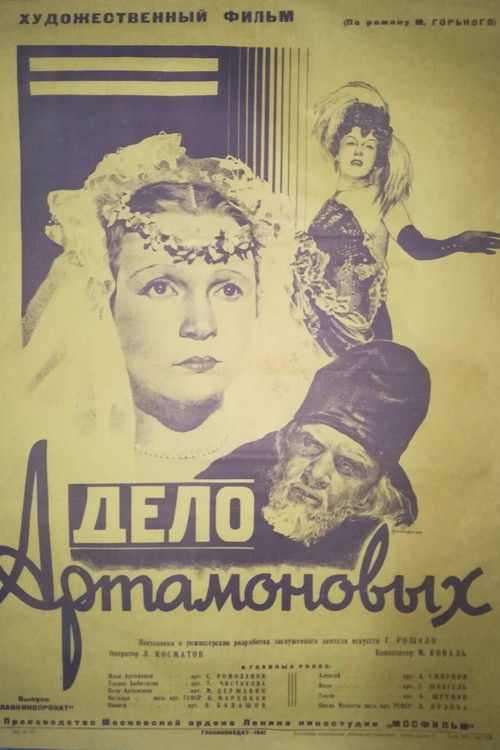
1941
No reviews yet. Be the first to share your thoughts on this movie!
Use the rating form above to leave a star rating and optional review.