
Earth
1930
No user ratings available yet
Representation score: 4.2 out of 10
Representation Score
Limited
1940
SDirector
Aleksandr Zarkhi, Iosif Kheifits
Runtime
106 minutes
Average Rating
No ratings yetNew Showbiz Analysis
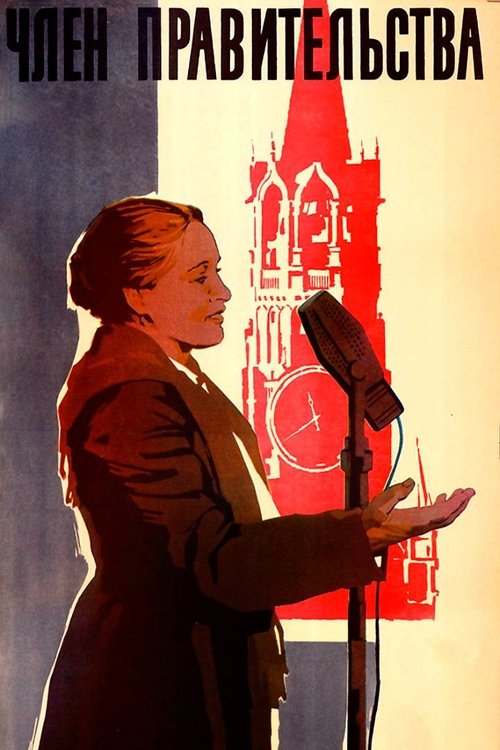
Member of the Government is a period piece that challenges Western social structures by promoting a centralized, state-driven model. It showcases the strength of female leadership through Alexandra Sokolova, who faces political obstacles with resilience. However, the film falls short in representing modern inclusivity, particularly in terms of LGBTQ+ identities and disability. Additionally, the racial makeup is limited to a predominantly Slavic cast, typical of the era's cinema. Ultimately, the film's strength lies in its cultural critique of capitalist ideals and its advocacy for a collective social order.
Category Breakdown
The film does not include any representation of LGBTQ+ identities or non-cisgender gender expressions. It follows the social norms of the 1940s era.
Alexandra Sokolova stands out as a powerful female character who challenges traditional patriarchal structures. Her role as a kolkhoz chairman highlights her significant influence and intellect, defying the stereotype of the submissive woman.
The cast is primarily made up of Slavic actors, reflecting the homogeneous demographics of 1940s Soviet cinema. There is no blend of different racial backgrounds as seen in more diverse modern productions.
The story is centered around anti-capitalist themes that emphasize the collective good over individual interests. It portrays Western economic systems as oppressive forces against the state.
The film does not feature any characters with visible or invisible disabilities. The narrative focuses solely on political and socioeconomic issues.
Present on Screen
Limited or Absent
Official Synopsis
In the 1930s, during Collectivization, we follow Alexandra Sokolova, who having joined a kolkhoz, is promoted by the Party to the management of the farm: she becomes chairman of the kolkhoz, courageously coping with the difficulties of collectivization, the distrust of some fellow villagers, and family conflict.
1930

1994
1935
1929

1981
1978

1929
1963
No reviews yet. Be the first to share your thoughts on this movie!
Use the rating form above to leave a star rating and optional review.