Chronicle of Anna Magdalena Bach
1968
No user ratings available yet
Representation score: 1.9 out of 10
Representation Score
Limited
1970
GDirector
Andrew L. Stone
Runtime
142 minutes
Average Rating
No ratings yetNew Showbiz Analysis
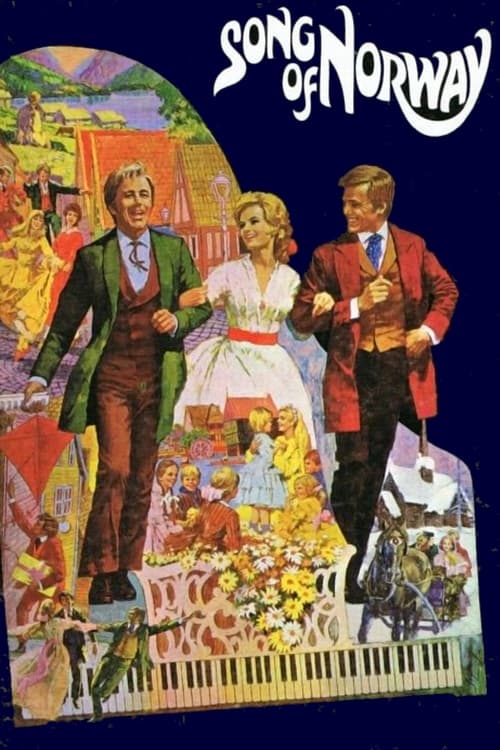
Song of Norway is a traditional biographical drama that emphasizes historical accuracy and nationalistic themes. The film adheres to the conventional cinematic language of the 1970s, focusing on individual merit and the establishment of a specific cultural legacy. The narrative centers on the male creative struggle, limiting the impact of its female characters to the emotional landscape of the protagonist. This approach aligns with the era's standard biographical storytelling. While the casting reflects the geographical and historical context of Norway, the film lacks multi-layered depth. It primarily serves as a celebration of national identity rather than a challenge to social hierarchies.
Category Breakdown
The film focuses on Edvard Grieg's life and his quest for a national musical identity. It does not include any representations of non-binary genders or same-sex relationships.
Female characters provide emotional support to the composer's life, but the story remains centered on the male professional legacy. The film follows traditional mid-century conventions regarding gender roles.
The cast is mainly white and European, reflecting the historical Norwegian setting. The film does not use diverse casting to challenge the homogeneity of its period context.
The story celebrates Norwegian national heritage and the romanticized struggle of the artist. It upholds traditionalist values and cultural preservation without offering systemic critiques.
There are no prominent depictions of physical or neurodivergent disabilities within the central narrative arcs or character studies.
Present on Screen
Limited or Absent
Official Synopsis
Like the play from which it derived, the film tells of the early struggles of composer Edvard Grieg and his attempts to develop an authentic Norwegian national music. It stars Toralv Maurstad as Grieg and features an international cast including Florence Henderson, Christina Schollin, Robert Morley, Harry Secombe, Oskar Homolka, Edward G. Robinson and Frank Porretta (as Rikard Nordraak). Filmed in Super Panavision 70 by Davis Boulton and presented in single-camera Cinerama in some countries, it was an attempt to capitalise on the success of The Sound of Music.
1968

1942
1968
1998
1947
1994

1946
2007
No reviews yet. Be the first to share your thoughts on this movie!
Use the rating form above to leave a star rating and optional review.