
Chronicle of Anna Magdalena Bach
1968
No user ratings available yet
Representation score: 1.9 out of 10
Representation Score
Minimal
1955
Not RatedDirector
Karl Hartl
Runtime
87 minutes
Average Rating
No ratings yetNew Showbiz Analysis
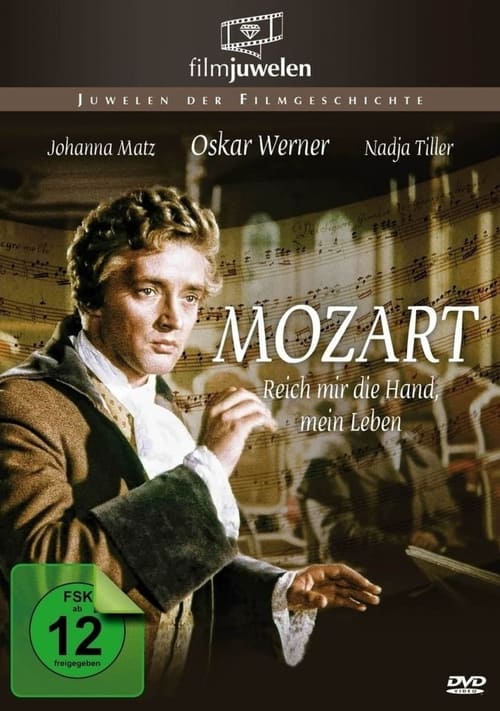
Mozart (1955) is a traditional biographical drama that prioritizes historical accuracy and the social norms of 18th-century Austria. The film adheres to the period's rigid hierarchies, emphasizing male authority and patriarchal structures. While the film provides a nuanced look at the tension between individual genius and systemic institutions like the Church, it lacks modern characters who reflect more than one aspect of diversity. The cast and social dynamics are culturally and ethnically uniform, reflecting both the era and the production's mid-century context. Ultimately, the film functions as a period piece that reinforces established class and gender roles rather than challenging them.
Category Breakdown
The film focuses solely on the romantic relationship between Mozart and Constanze, with no depiction of LGBTQ+ identities.
The narrative emphasizes male protagonists, reinforcing patriarchal structures. While Constanze is central, the psychological conflict revolves around the dynamics between Mozart and his father.
The cast is entirely homogeneous, reflecting the 18th-century setting and 1955 cinematic conventions. The film depicts a culturally and ethnically uniform European society.
The story explores the tension between individuals and established orders like the Catholic Church and the aristocracy. These institutions are portrayed as oppressive forces against creative freedom.
There is no representation of physical, sensory, or neurodivergent disabilities. Mozart's mental state is framed as an artistic temperament rather than a clinical disability.
Present on Screen
Limited or Absent
Official Synopsis
Explores the mental state of Mozart during production of his final opera "Die Zauberflöte".
1968
1994
1978
1991
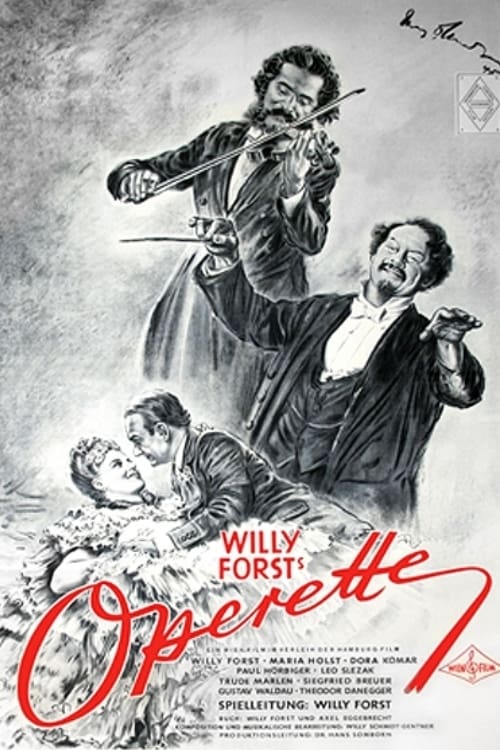
1940
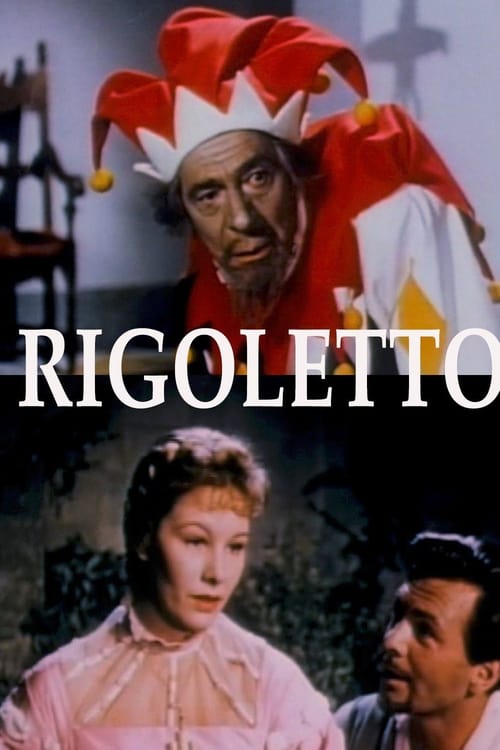
1955
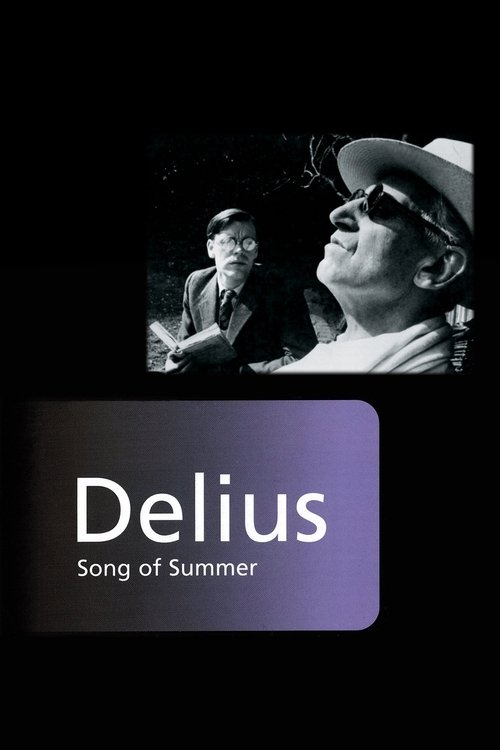
1968
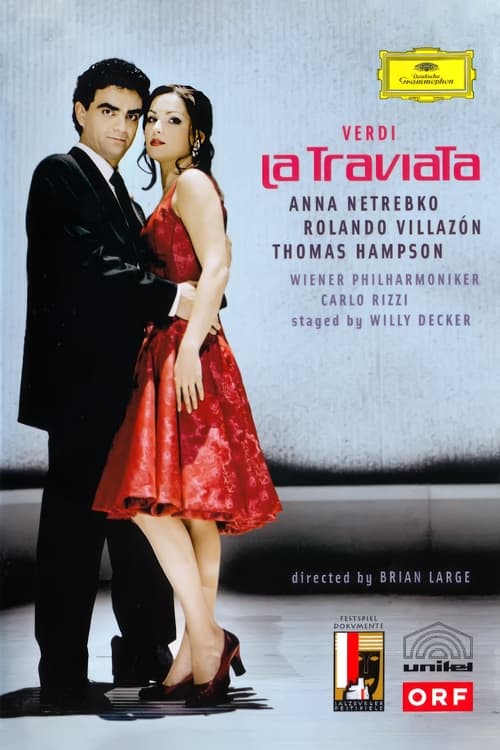
2005
No reviews yet. Be the first to share your thoughts on this movie!
Use the rating form above to leave a star rating and optional review.