
Funes, a Great Love
1993
No user ratings available yet
Representation score: 5.3 out of 10

Representation Score
Good
1985
Not RatedDirector
Fernando E. Solanas
Runtime
119 minutes
Average Rating
No ratings yetNew Showbiz Analysis
Solanas employs a postmodern, non-linear structure to break traditional Western storytelling rhythms. The film avoids the typical 'hero's journey' in favor of a more complex, fragmented narrative structure. The work excels in its cultural and political depth, using the experience of exile to critique state power and systemic issues. It replaces singular truths with a more nuanced, situational understanding of history. While the film effectively dismantles social hierarchies, it remains less explicit in representing specific demographic identities, such as LGBTQ+ characters or disability.
Category Breakdown
The film examines intimate, melancholic connections and the breakdown of identity. However, it doesn't clearly show LGBTQ+ characters taking active roles or having explicit storylines.
Characters move away from strict patriarchal roles, focusing instead on vulnerability and shared trauma. The film lacks clear examples of women driving the plot.
The film deconstructs a monolithic national identity by highlighting the experiences of the Argentine diaspora. It emphasizes a South American perspective on migration and cultural preservation.
The film provides a deep critique of political dominance and traditional institutions. It embraces fragmented realities rather than strict moral codes.
There is no significant evidence regarding the portrayal of visible or invisible disabilities within the work.
Present on Screen
Limited or Absent
Official Synopsis
Some Argentinians, exiled in Paris, decide to put on a tango-ballet, dedicated to Carlos Gardel, a legendary Argentinian tango star.
1993

2017
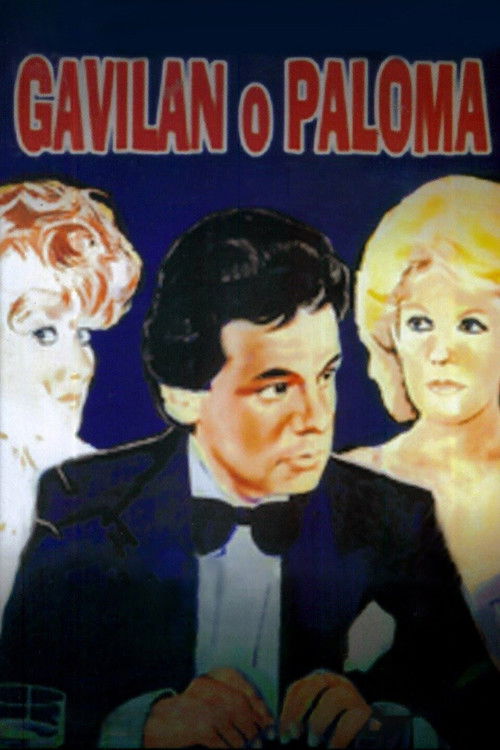
1985
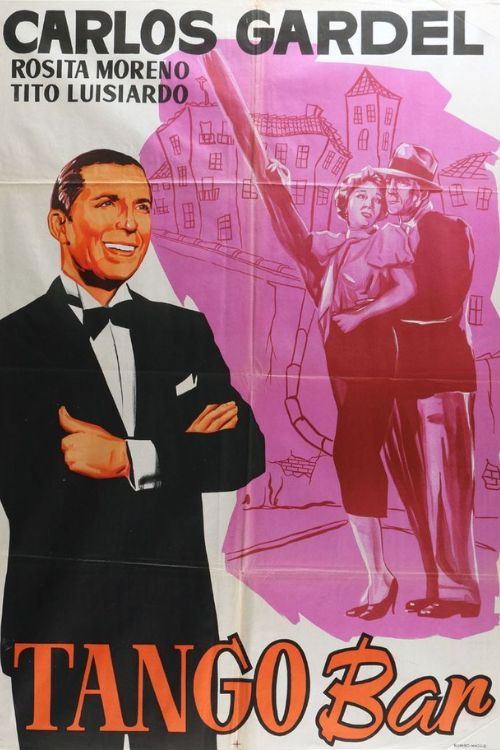
1935
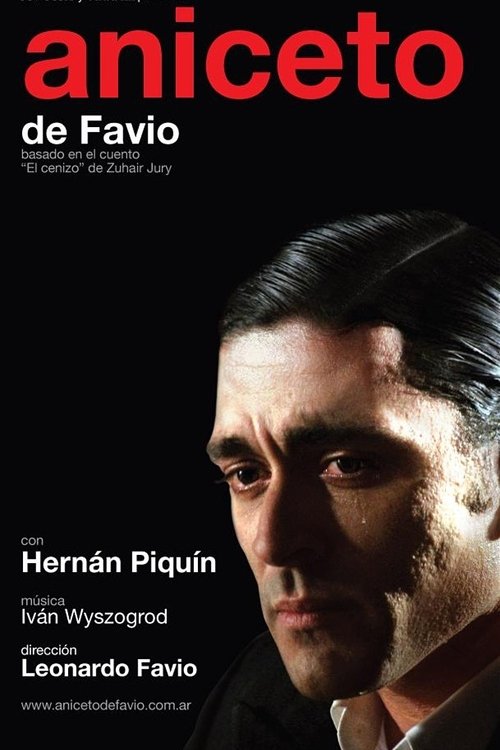
2008

1949
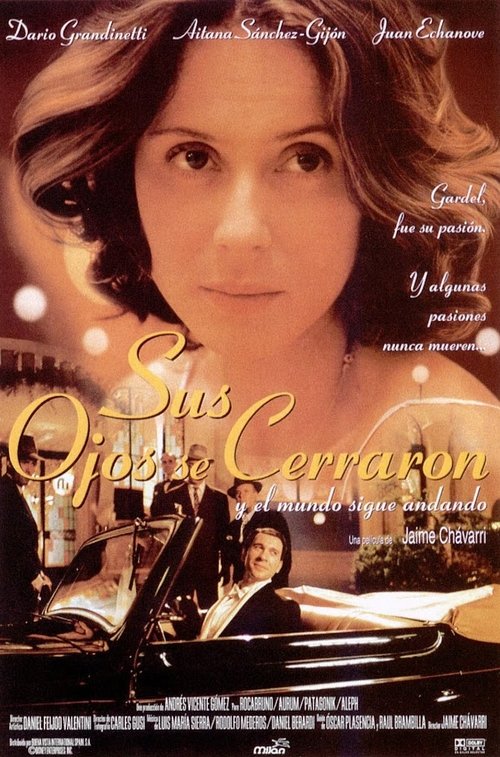
1998

2015
No reviews yet. Be the first to share your thoughts on this movie!
Use the rating form above to leave a star rating and optional review.