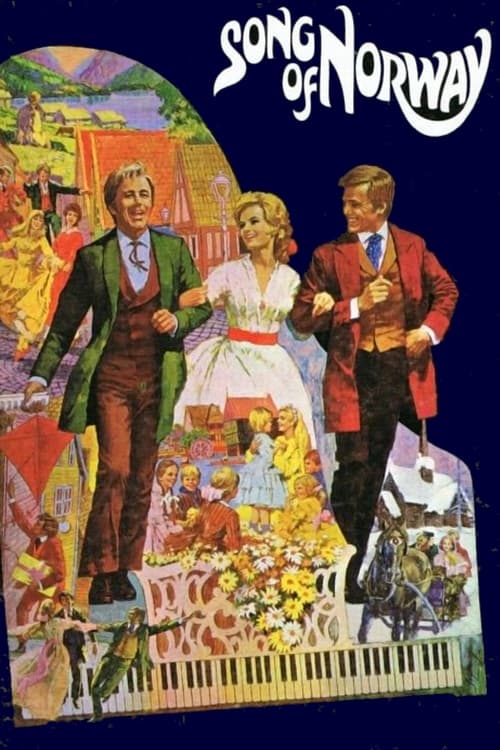
Song of Norway
1970
No user ratings available yet
Diversity score: 2.8 out of 10
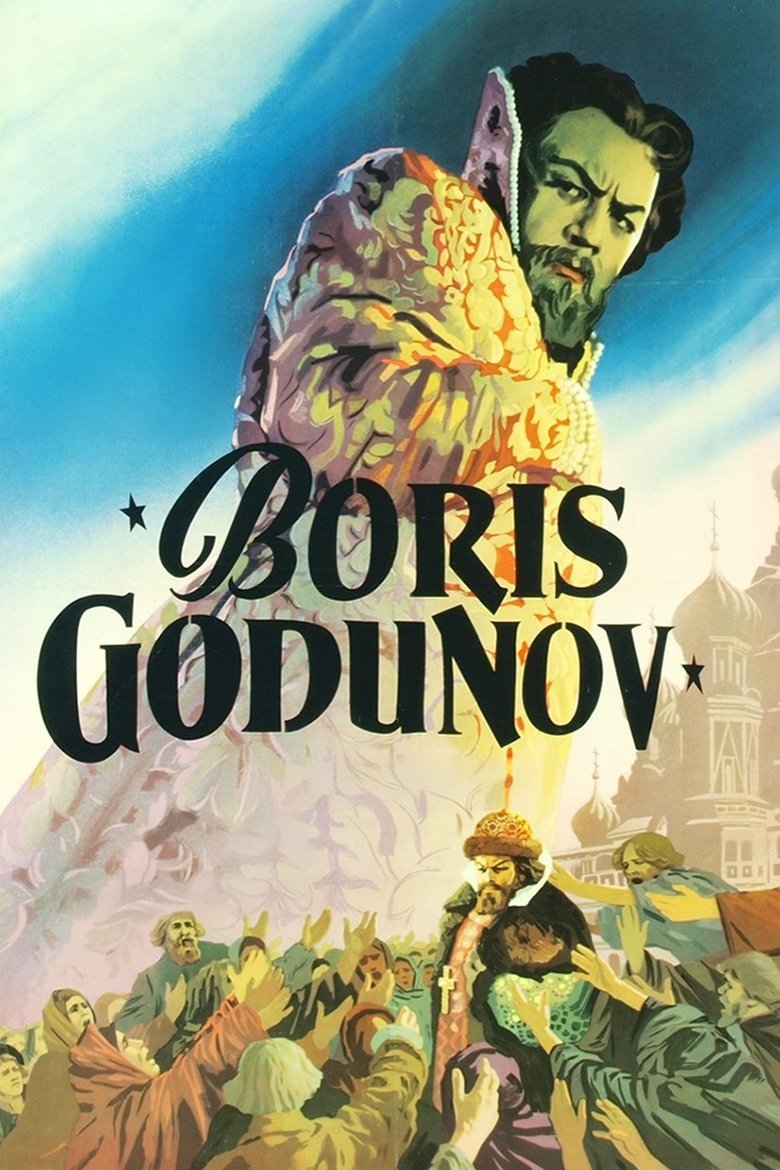
1954
Director
Vera Stroyeva
Runtime
110 minutes
Average Rating
No ratings yetSynopsis
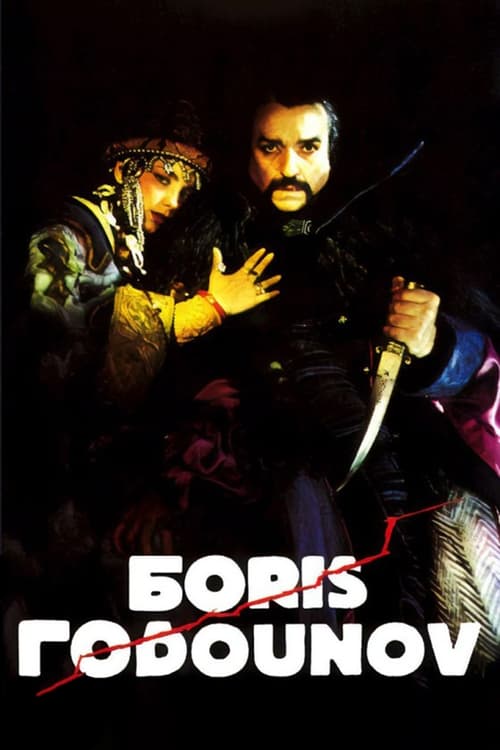
Russian filmmaker Vera Stroyeva specialized in cinematic adaptations of famous operas. One of the most successful of these was her 1955 film version of Mussorgsky and Pushkin's Boris Godunov. Stroyeva's adaptation deftly streamlines the story of a Russian czar whose life is placed in jeopardy by a pretender to his throne. A. Pirogov sings the title role, while G. Nellep provides vocal and visual menace as the "False Dmitri". The use of a color process known as Magicolor adds just the right touch of theatrical artificiality to the pomp-and-splendor proceedings.
Overall Score
Limited
Category Breakdown
LGBTQ+ Representation
The film adheres to traditional heteronormative structures inherent to the 16th-century setting. There is no evidence of non-cisnormative gender identities or same-sex intimacy within the narrative.
Gender Representation
The narrative hierarchy is dominated by male figures of political and religious authority. Themes of leadership and psychological torment are framed through a masculine lens of sovereignty and guilt.
Racial & Ethnic Diversity
The cast is largely homogeneous, reflecting the ethnic demographics of 16th-century Russia. The production does not actively seek to diversify the ethnic composition of the cast.
Religious & Cultural Diversity
The film explores the tension between the monarchy and the Church. It critiques absolute authority by focusing on the friction between individual agency and religious institutions.
Disability Representation
There is no evidence of characters with disabilities being portrayed with agency. Physical or mental ailments in this era are often used as metaphorical plot devices.
Strengths
Areas for Improvement
AI Analysis
This adaptation of Mussorgsky and Pushkin's opera prioritizes the preservation of classical themes over modern intersectional representation. It functions as a formalist study of power and institutional corruption within a specific historical milieu. The production is deeply embedded in its 16th-century Russian context, resulting in a homogeneous cast and a narrative centered on masculine political struggles. While it lacks modern social diversity, it offers a sophisticated critique of centralized authority and religious stability.
1970
1968
1955
1955
2007
1949
1940
1949
1984
1977
1989
1993
No reviews yet. Be the first to share your thoughts on this movie!
Use the rating form above to leave a star rating and optional review.