Carmina Burana
1978
No user ratings available yet
Representation score: 3.4 out of 10
Representation Score
Minimal
1968
Director
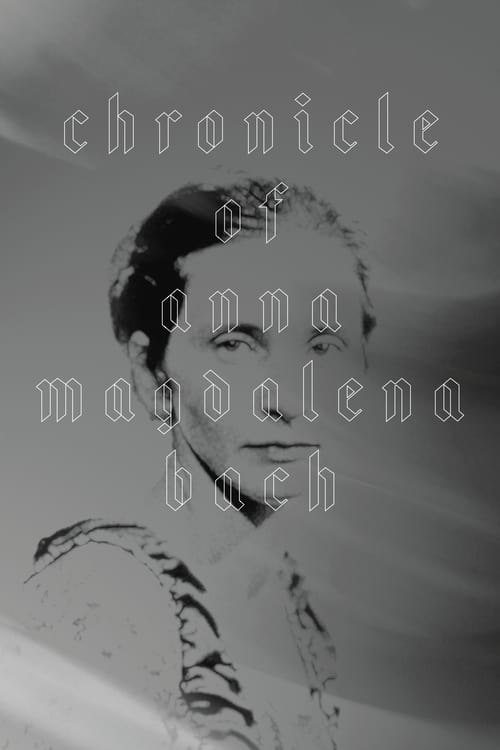
Danièle Huillet, Jean-Marie Straub
Runtime
94 minutes
Average Rating
No ratings yetNew Showbiz Analysis
The film prioritizes formalist discipline and the relationship between sound and image over identity-based narratives. It functions more as a structuralist critique of art consumption than a study of social representation. While it lacks contemporary markers like racial or LGBTQ+ diversity, it disrupts the traditional biopic format. The directors reject the emotional clichés typically used to make classical music accessible to mass audiences. Ultimately, the work serves as a deconstruction of how history and art are commodified, favoring mathematical and spiritual architecture over social commentary.
Category Breakdown
The film focuses solely on the historical life of Johann Sebastian Bach and Anna Magdalena. It does not depict any non-cisgender identities or queer narratives.
Anna Magdalena Bach is given a dignified role that avoids the submissive wife stereotype. However, the film does not challenge the gender hierarchies or traditional masculinity of the 18th century.
Reflecting its 18th-century European setting, the film shows a homogeneous population. There are no non-white characters or color-blind casting.
The film critiques capitalist art consumption by rejecting sentimentalism and emotional manipulation. It provides a formalist, secular appreciation of music's structure over religious doctrine.
There are no specific depictions of physical or neurodivergent disabilities in this work.
Present on Screen
Limited or Absent
Official Synopsis
The life and music of Johann Sebastian Bach as presented by his wife, Anna.
1978
1998
1991
1991
2008
1969
1968
2016
No reviews yet. Be the first to share your thoughts on this movie!
Use the rating form above to leave a star rating and optional review.