Queen for a Night
1943
No user ratings available yet
Representation score: 1.8 out of 10
Representation Score
Minimal
1940
Director
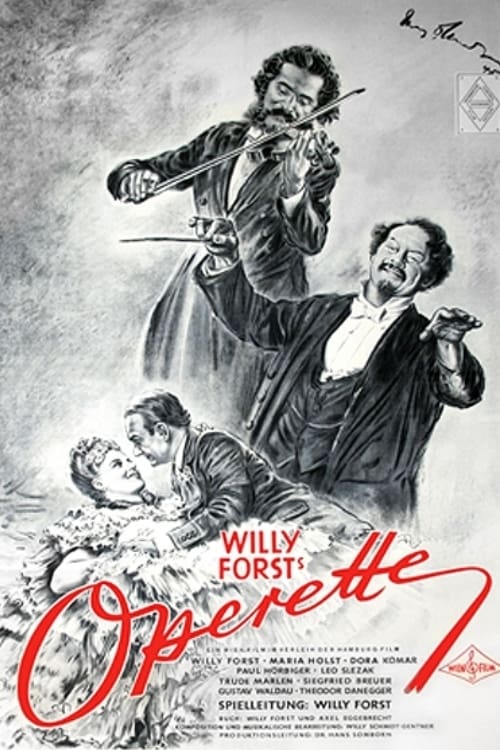
Willi Forst
Runtime
107 minutes
Average Rating
No ratings yetNew Showbiz Analysis
Operette exemplifies the 'Vienna Film' tradition, emphasizing aesthetic beauty and escapism over social critique. The film celebrates Viennese high culture and aristocratic stability, reinforcing the social hierarchies of its time. Because it is set in the musical comedy genre of the 1940s, it does not include diverse representations. The story centers on conventional romance and the professional success of musicians within a strictly Eurocentric, able-bodied, and traditional framework.
Category Breakdown
The film sticks closely to traditional romantic storylines and does not include any characters with non-binary or LGBTQ+ identities. It also doesn't challenge the idea that everyone is straight or cisgender.
Female characters play key roles in the musical's charm, but the story follows conventional romantic storylines from the mid-20th century. These storylines reflect older ideas about romance and social behavior.
The film has a uniform, European-centric look typical of 1940s Vienna. There are no characters from diverse racial backgrounds in important roles.
The story highlights Western high art traditions and the musical heritage of composers like Suppé and Strauss. It emphasizes aristocratic structures and the preservation of classical music.
The film focuses solely on the professional and romantic lives of able-bodied performers. It does not include any characters with visible or invisible disabilities.
Present on Screen
Limited or Absent
Official Synopsis
A musician is offered a job in Vienna as stage director, but his disagreements with the aristocratic opera manager end in abrupt firing in spite of a mutual attraction. He's quickly engaged by another theatre and becomes famous for his lavish stage productions and fine acting, which begins their golden age with Suppé and Strauss.
1943
1936

1949
1999
1937
1938

1952
1936
No reviews yet. Be the first to share your thoughts on this movie!
Use the rating form above to leave a star rating and optional review.