
Chronicle of Anna Magdalena Bach
1968
No user ratings available yet
Representation score: 1.9 out of 10

Representation Score
Limited
2006
PGDirector
Fredi M. Murer
Runtime
120 minutes
Average Rating
No ratings yetNew Showbiz Analysis
Vitus is a character-driven film that focuses on the internal development of a child prodigy. It prioritizes personal growth over discussions of social or identity issues. The film operates within a traditional framework, emphasizing the tension between individual intuition and parental expectations in a stable European setting. The production adheres to conventional social hierarchies and demographics. While it avoids clichés regarding intellectual giftedness, it does not intentionally represent diverse identities or challenge established cultural norms. Ultimately, the film serves as a localized drama. It excels in its goal of exploring personal growth but offers limited multi-layered or progressive representation.
Category Breakdown
The film does not include any LGBTQ+ characters and does not explore non-straight relationships. The social landscape focuses solely on the nuclear family unit.
Gender roles within the family remain traditional. The narrative highlights generational tension but does not challenge typical masculine or feminine stereotypes.
Set in a rural European environment, the cast is homogeneous. The film portrays a specific Swiss social stratum in a traditional manner.
The story emphasizes traditional family and educational values. It presents a stable socioeconomic reality without significant critique of institutional religion or secularism.
The film provides a nuanced portrayal of neurodivergence through the lens of high intelligence. It treats the protagonist's cognitive complexity with depth and significance.
Present on Screen
Limited or Absent
Official Synopsis
Vitus tells the story of a highly-gifted boy (played by real-life piano prodigy Teo Gheorghiu) whose parents have demanding and ambitious plans for him.
1968
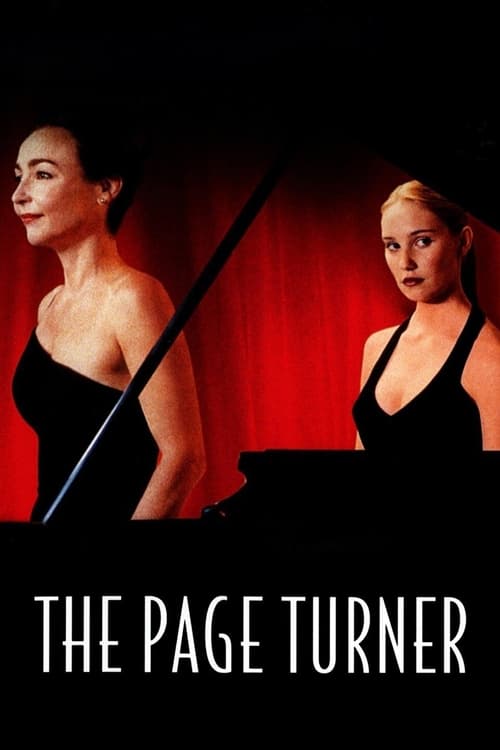
2006
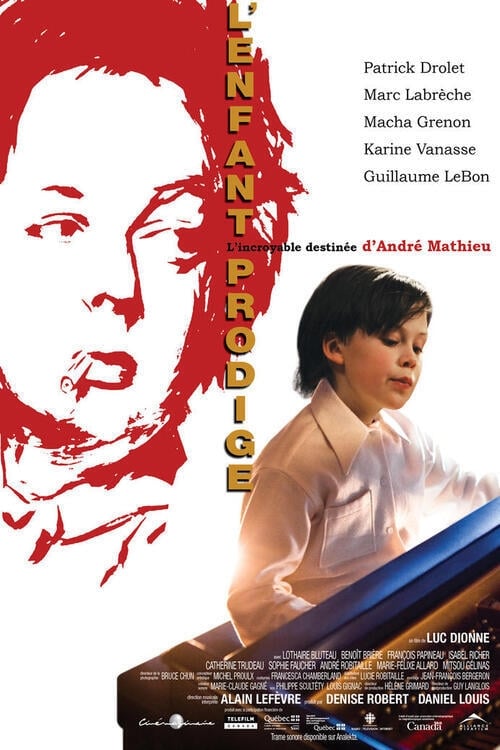
2010

2015
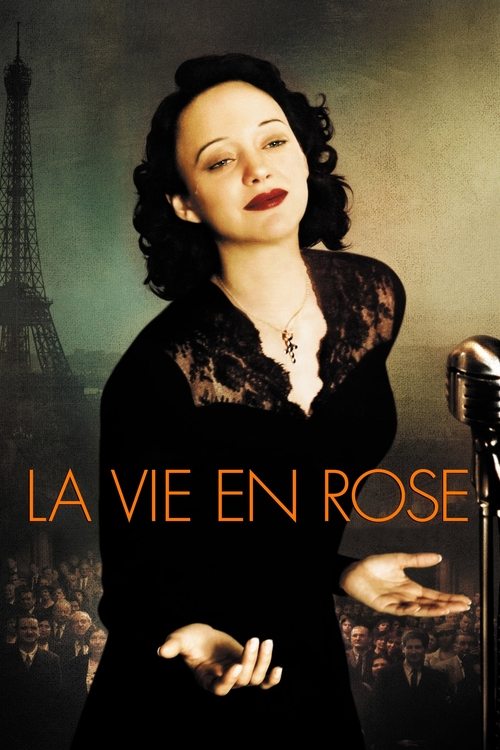
2007
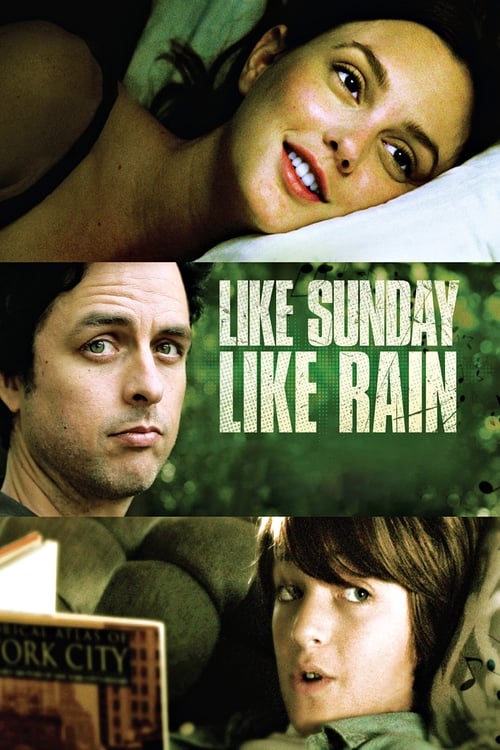
2014
2008
1998
No reviews yet. Be the first to share your thoughts on this movie!
Use the rating form above to leave a star rating and optional review.