With a Song in My Heart
1952
No user ratings available yet
Diversity score: 2.5 out of 10
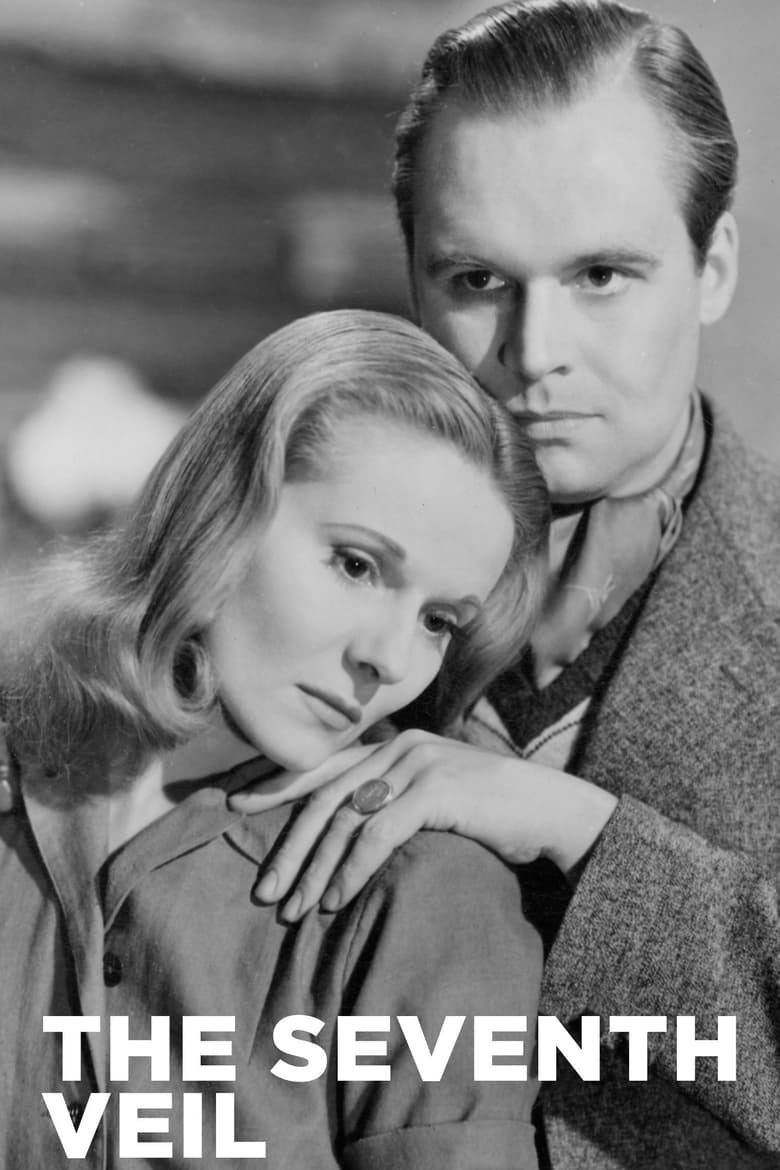
1945
NRDirector
Compton Bennett
Runtime
94 minutes
Average Rating
No ratings yetSynopsis
A concert pianist with amnesia fights to regain her memory.
Overall Score
Limited
Category Breakdown
LGBTQ+ Representation
The film contains no LGBTQ+ characters or narratives. Interpersonal tensions remain strictly within conventional, heteronormative frameworks.
Gender Representation
A power imbalance exists between the male medical authority and the female protagonist. While Cecily possesses emotional depth, she is often positioned as a subject to be resolved by masculine intellect.
Racial & Ethnic Diversity
The cast is an overwhelmingly homogeneous, white European ensemble. There is no intentional racial diversity or use of non-white characters to disrupt the era's social norms.
Religious & Cultural Diversity
The narrative explores moral and perceptual relativism through the protagonist's subjective memory. However, it remains rooted in Western institutional frameworks without critiquing them.
Disability Representation
The film treats mental health and psychological trauma with dramatic seriousness. It avoids using neurodivergence as a mere horror device, granting the protagonist agency in her psychological journey.
Strengths
Areas for Improvement
AI Analysis
The film offers a serious exploration of psychological trauma and mental health, providing the protagonist with significant internal depth. This focus on the complexities of the human psyche elevates the character beyond simple tropes. However, the production is heavily limited by the social hierarchies of 1945. The cast lacks racial and LGBTQ+ diversity, and the narrative reinforces traditional gendered power dynamics within the medical establishment. Ultimately, while the film succeeds in its nuanced portrayal of disability, it remains a product of a homogeneous and patriarchal era.
1952
2020
2014
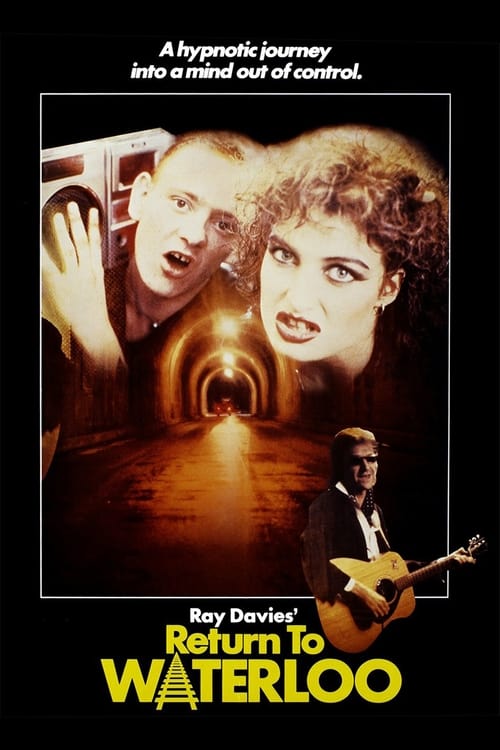
1984

1991

1968
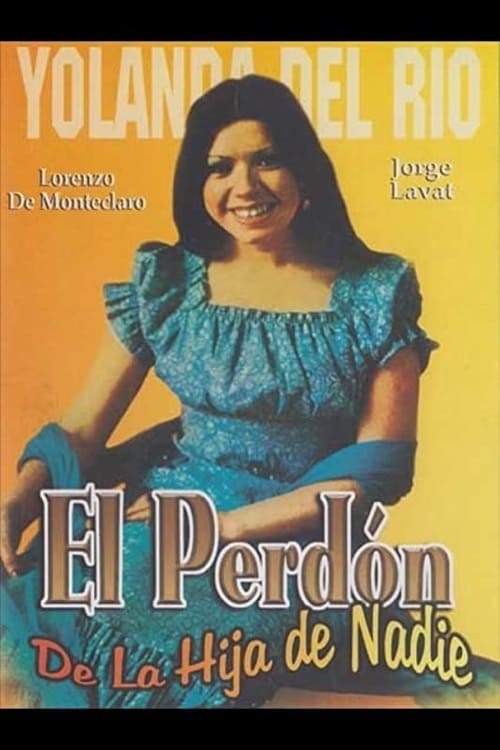
1980
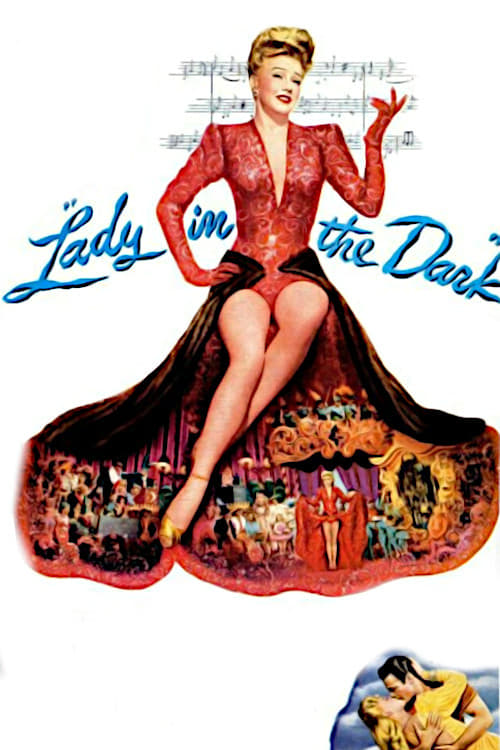
1944
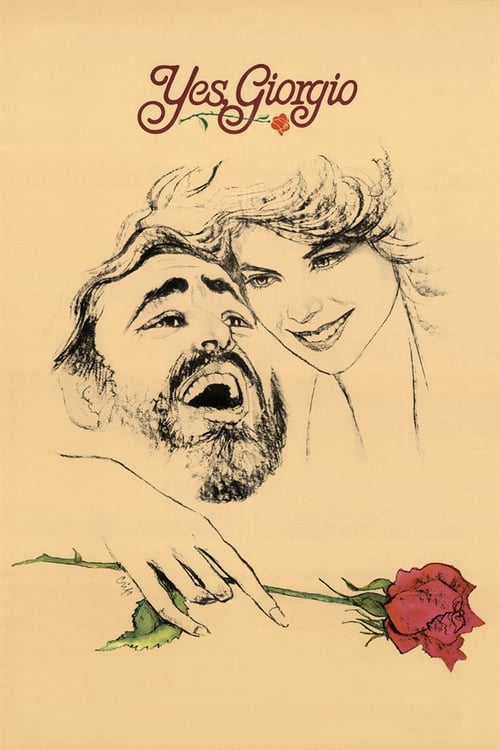
1982

2018

1963
1937
No reviews yet. Be the first to share your thoughts on this movie!
Use the rating form above to leave a star rating and optional review.