
The Rules of the Game
1939
No user ratings available yet
Representation score: 6.7 out of 10
Representation Score
Fair
1956
Not RatedDirector
Jean Renoir
Runtime
95 minutes
Average Rating
No ratings yetNew Showbiz Analysis
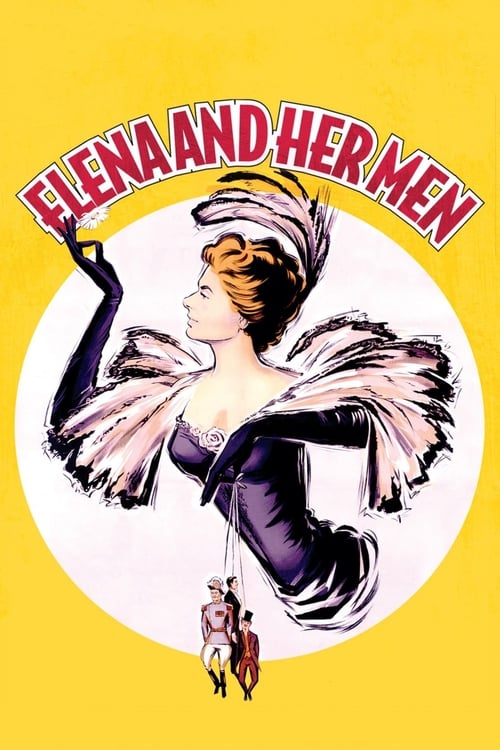
Jean Renoir’s film stands out by placing women's ability to drive the story at the forefront of a complex social environment. Elena is not a passive character but a central force influencing men across various social levels, thereby challenging traditional gender hierarchies. However, the film’s historical setting limits its scope. The cast is predominantly white and European, offering limited ethnic diversity. Ultimately, the film’s strength lies in its humanist approach to morality and class. It emphasizes human connection and individual desires over rigid social and institutional norms, providing a nuanced view of social dynamics.
Category Breakdown
The film centers on heterosexual relationships and passion. There is no clear depiction of non-binary gender identities or same-sex relationships.
Elena plays a key role in driving the plot, making her own decisions and challenging traditional gender roles. She navigates political complexities to shape her own romantic path.
The cast is primarily composed of white and European actors, reflecting the early 20th century French context. Despite the protagonist being a Polish princess, the ensemble remains largely uniform.
The film explores moral ambiguity, presenting romantic indiscretions as personal complexities. It dismantles social hierarchies by emphasizing individual passion over institutional norms.
There is no notable depiction of visible or invisible disabilities in this film.
Present on Screen
Limited or Absent
Official Synopsis
Set amid the military maneuvers and Quatorze Juillet carnivals of turn-of-the-century France, Jean Renoir’s delirious romantic comedy Elena and her Men stars a radiant Ingrid Bergman as a beautiful, but impoverished, Polish princess who drives men of all stations to fits of desperate love. When Elena elicits the fascination of a famous general, she finds herself at the center of romantic machinations and political scheming, with the hearts of several men—as well as the future of France—in her hands.
1939
1955
1928
1957
1946
1935
1964
1939
No reviews yet. Be the first to share your thoughts on this movie!
Use the rating form above to leave a star rating and optional review.