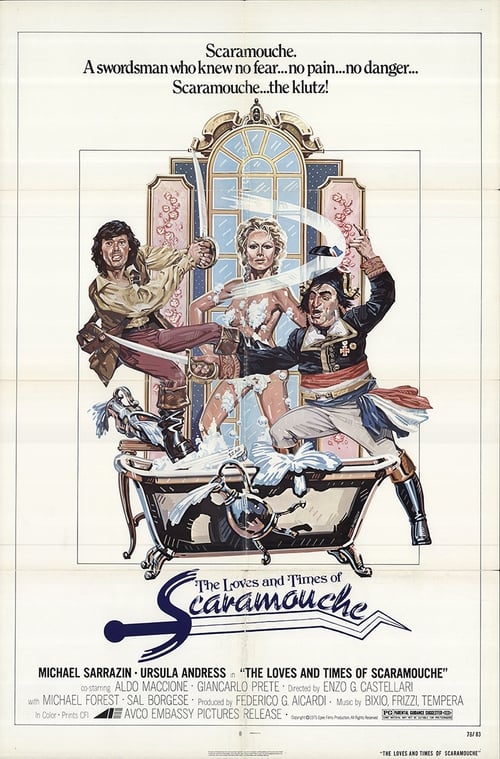
The Loves and Times of Scaramouche
1976
No user ratings available yet
Representation score: 1.8 out of 10
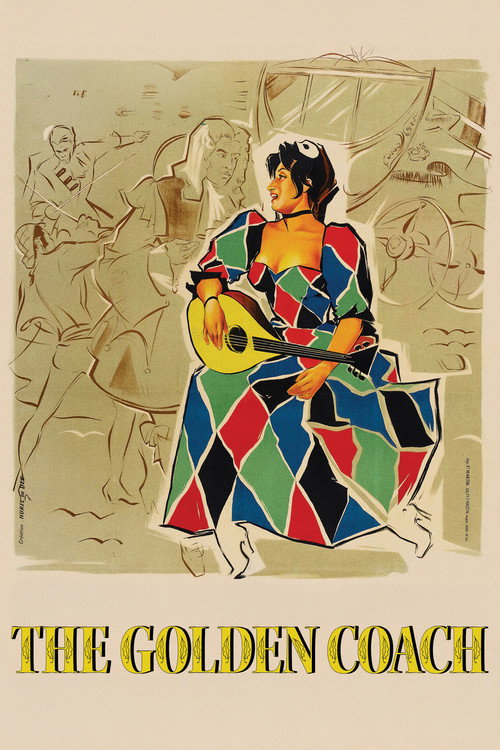
Representation Score
Fair
1952
Not RatedDirector
Jean Renoir
Runtime
105 minutes
Average Rating
No ratings yetNew Showbiz Analysis
Jean Renoir’s work stands out for its deconstruction of social hierarchies through complex characters. Its greatest strength lies in subverting gender roles, giving the female protagonist significant psychological depth and control over her actions. However, the film adheres closely to the romantic conventions of its time, offering no representation of LGBTQ+ identities. While the Peruvian setting hints at potential ethnic complexity, the narrative focuses more on class distinctions than racial diversity. Overall, the film serves as a sophisticated critique of institutional rigidity, using theater to reveal the superficial nature of aristocratic authority.
Category Breakdown
The film follows the romantic traditions of its time, emphasizing heterosexual relationships. There is no depiction of LGBTQ+ identities or same-sex intimacy.
The movie highlights the active role and intellectual independence of the female lead. She drives the emotional storyline rather than being a passive figure.
Set in 18th-century Peru, the film emphasizes socioeconomic differences over ethnic diversity. There is little indication of casting that challenges the colonial context.
The film questions established social structures by contrasting artistic freedom with aristocratic rigidity. It uses the traveling troupe to challenge class distinctions and societal norms.
There is no notable portrayal of physical or neurodivergent disabilities in the film.
Present on Screen
Limited or Absent
Official Synopsis
A viceroy, a nobleman and a bullfighter court a comedy-troupe actress in 18th-century Peru.
1976
1955
1954
1955
1996
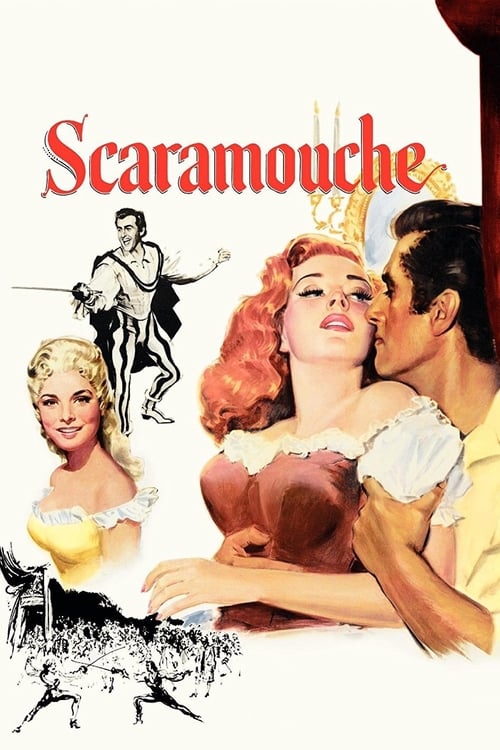
1952

1992
1967
No reviews yet. Be the first to share your thoughts on this movie!
Use the rating form above to leave a star rating and optional review.