Queen of the Chantecler
1962
No user ratings available yet
Representation score: 2.0 out of 10
Representation Score
Limited
1970
GDirector
Blake Edwards
Runtime
143 minutes
Average Rating
No ratings yetNew Showbiz Analysis
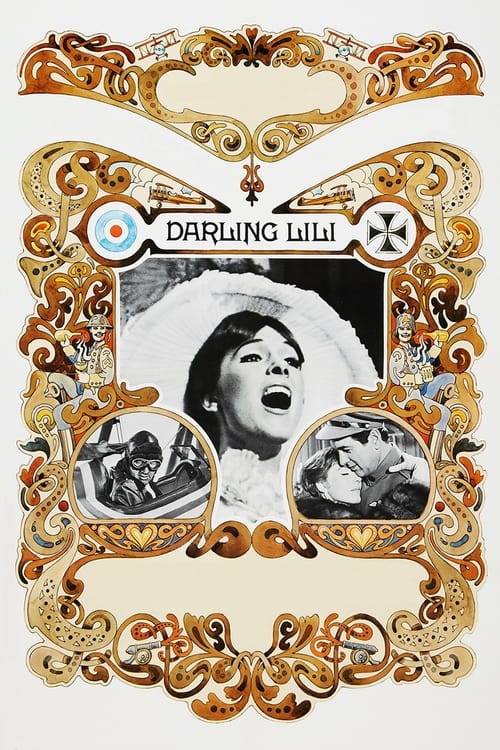
Darling Lili stands out by challenging traditional gender roles. Despite its narrow historical setting, the female lead uses strategic thinking and social skills to navigate complex diplomatic situations. However, the film is limited by a lack of diverse representation. The cast is predominantly white and European, reflecting the era's constraints and focusing on the specific Anglo-German conflict. Ultimately, the film offers a nuanced exploration of wartime themes by making the heroine a complex actor, even though it lacks broader social diversity.
Category Breakdown
The film does not include any LGBTQ+ characters or stories. All romantic relationships follow traditional heterosexual structures.
Lili Smith is a proactive protagonist who uses intelligence and social skills to advance the plot within military settings.
The cast is mostly white and European. The film focuses on Anglo-German tensions without much racial diversity.
The story examines the protagonist's dual identity through British and German heritage. It operates within traditional Western wartime patriotism.
There are no characters with visible or invisible disabilities in the film.
Present on Screen
Limited or Absent
Official Synopsis
World War I. Lili Smith is a beloved British music hall singer, often providing inspiration for the British and French troops and general populace singing rallying patriotic songs. She is also half German and is an undercover German spy, using her feminine wiles to gather information from the high ranking and generally older military officers and diplomats she seduces.
1962
1952
1950
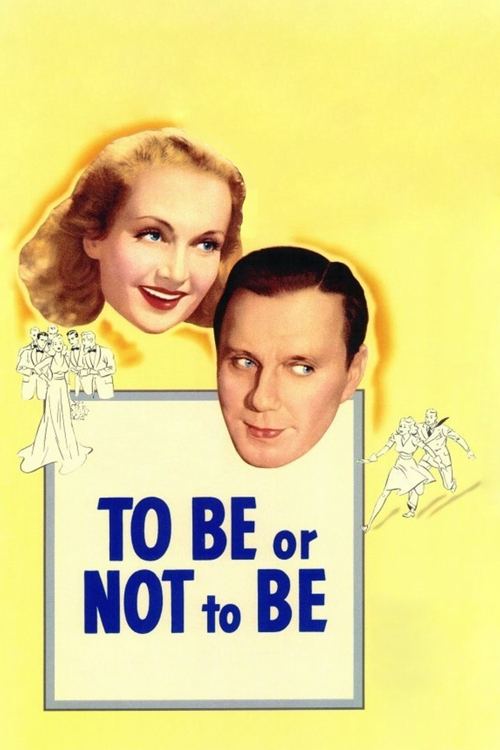
1942
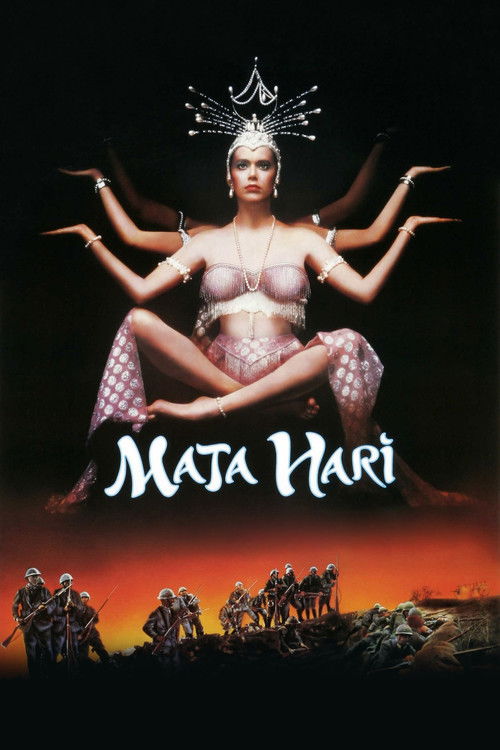
1985
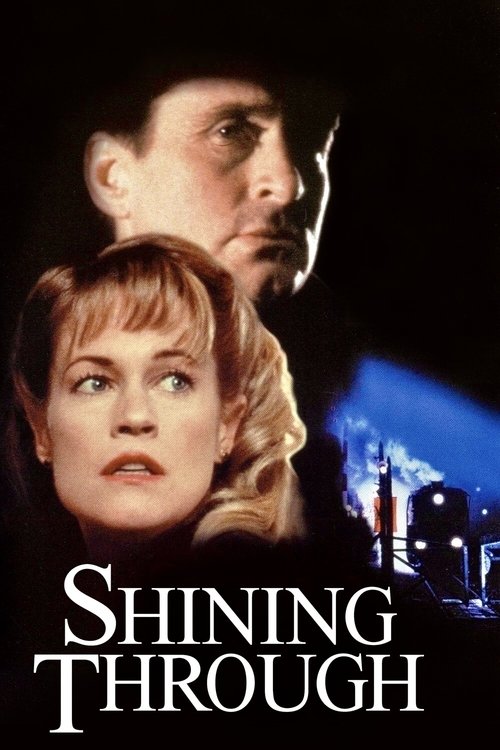
1992

1937
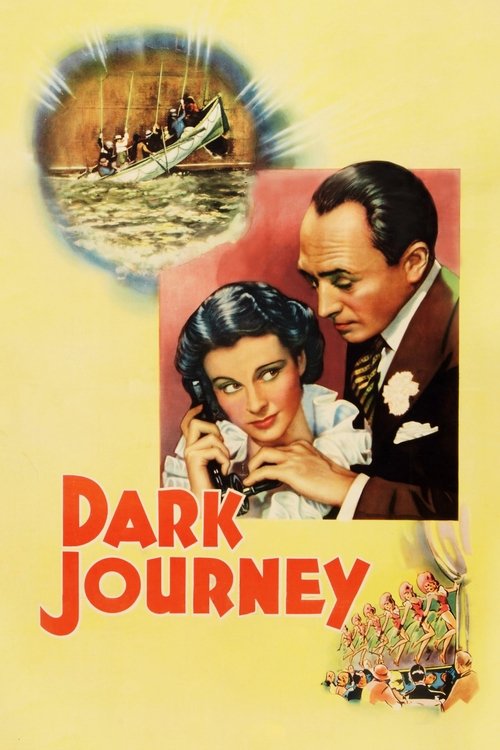
1937
No reviews yet. Be the first to share your thoughts on this movie!
Use the rating form above to leave a star rating and optional review.