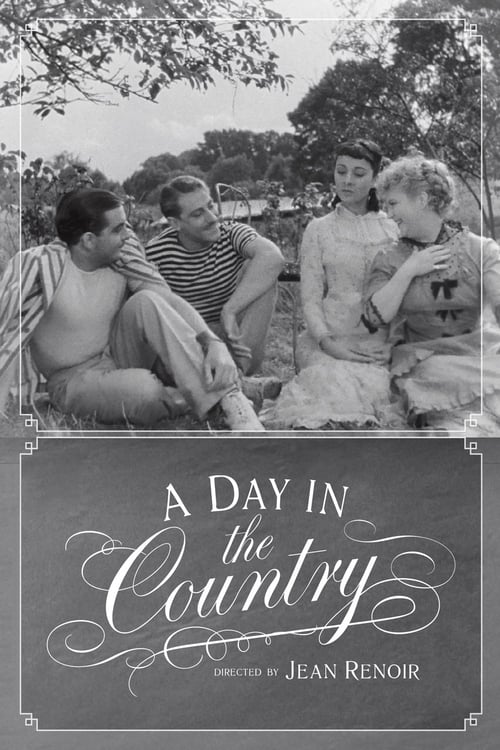
A Day in the Country
1946
No user ratings available yet
Representation score: 4.3 out of 10
Representation Score
Good
1946
ApprovedDirector
Jean Renoir
Runtime
91 minutes
Average Rating
No ratings yetNew Showbiz Analysis
Jean Renoir’s film is a critical examination of social stratification and class hierarchies. While it lacks contemporary diversity in terms of race and LGBTQ+ representation, it excels in its progressive deconstruction of power structures. The narrative centers on a working-class woman navigating a corrupt social order. By exposing the moral bankruptcy of the aristocracy, the film provides a nuanced critique of traditional Western institutions. Ultimately, the film's strength lies in its subversion of gendered dynamics and its aggressive interrogation of class-based exploitation.
Category Breakdown
The film focuses on heterosexual relationships and transactional desires, without explicitly showing LGBTQ+ identities or stories centered around these experiences.
Célestine challenges traditional gender roles by using her beauty and status to navigate social challenges. The narrative highlights the moral failings of male leaders, disrupting the usual portrayal of patriarchal dominance.
The cast primarily consists of white actors, reflecting the homogeneous demographics of early 20th-century France.
The film critiques the decadent lifestyle and moral corruption of the upper classes, portraying them as morally bankrupt and hypocritical.
There is no significant depiction of physical or neurodivergent disabilities, focusing instead on socioeconomic and gendered power dynamics.
Present on Screen
Limited or Absent
Official Synopsis
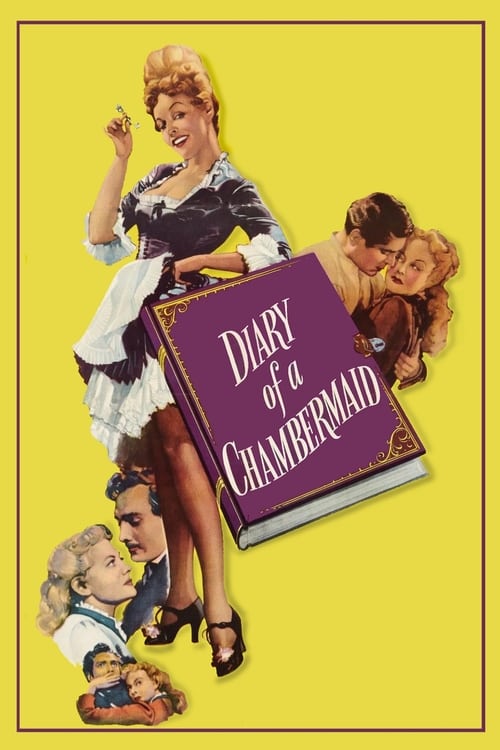
Celestine, the chamber-maid, has a new job in the country, at the Lanlaires. She has decided to use her beauty to seduce a wealthy man, but Mr. Lanlaire is not a right choice: the house is firmly controlled by Madame Lanlaire, helped by the strange valet Joseph. Then she tries the neighbour, former officer Mauger. This seems to work. But soon the son of the Lanlaires comes back. He is young, attractive and does not share his mother's antirepublican opinions. So Celestine's beauty attracts Captain Mauger, young Georges Lanlaire, and Joseph. Three men, from three different social classes, with three different conceptions of life. Will Celestine be able to convince Georges of her sincerity?
1946

1939
1964
1958

1956
1936

1967

1933
No reviews yet. Be the first to share your thoughts on this movie!
Use the rating form above to leave a star rating and optional review.