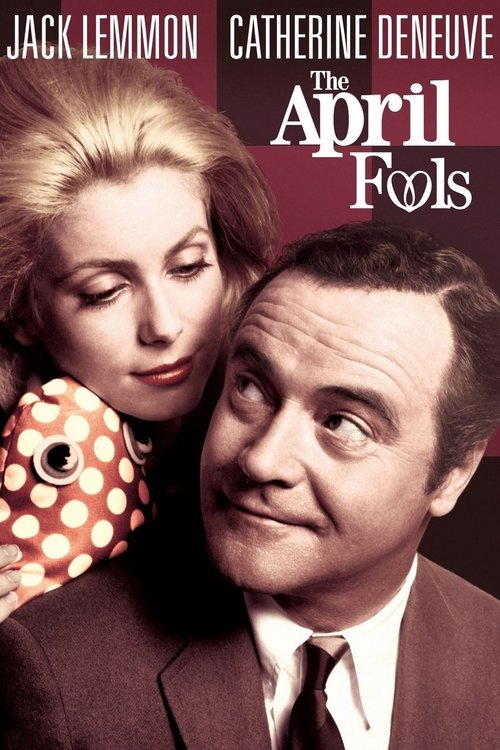
The April Fools
1969
No user ratings available yet
Representation score: 4.4 out of 10

Representation Score
Fair
1959
Director
Sidney Lumet
Runtime
92 minutes
Average Rating
No ratings yetNew Showbiz Analysis
Sidney Lumet’s drama excels as a character study that challenges mid-century gender norms by focusing on a woman's struggle for dignity. The film provides a realistic critique of urban capitalist structures and institutional indifference through its tenement setting. However, the film is limited by the era's lack of diversity. It does not include any LGBTQ+ representation and maintains a predominantly white, homogeneous cast reflecting the typical demographics of 1950s cinema. Ultimately, while the film offers an empathetic look at the female experience and socioeconomic hardship, its narrow demographic focus restricts its overall diversity.
Category Breakdown
The film does not include any LGBTQ+ characters or narratives. It adheres strictly to mid-century social norms that assume everyone is straight.
The story centers on a woman dealing with the psychological aftermath of trauma. This portrayal offers a nuanced look at her ability to drive the story, challenging traditional views of women's roles.
The film reflects the demographic makeup of the 1950s, focusing on a predominantly white, working-class population. It does not include diverse representation.
Lumet uses a New York tenement setting to criticize systemic indifference. The film highlights socioeconomic hardships and social isolation.
The film examines the psychological impact of trauma rather than physical or neurodivergent disabilities. Mental health issues are portrayed through the lens of personal suffering.
Present on Screen
Limited or Absent
Official Synopsis
A young G.I. falls in love with a kept woman on a train to New York.
1969
1956
1960
1966
1972
1960
1963

1961
No reviews yet. Be the first to share your thoughts on this movie!
Use the rating form above to leave a star rating and optional review.