My Best Girl
1927
No user ratings available yet
Representation score: 1.1 out of 10
Representation Score
Limited
1928
Director
Lewis Milestone
Runtime
76 minutes
Average Rating
No ratings yetNew Showbiz Analysis
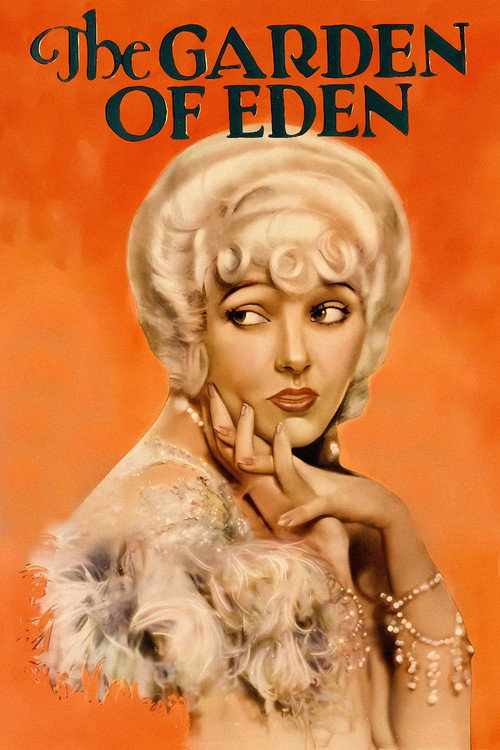
The Garden of Eden functions as a character-driven melodrama that slightly deviates from the restrictive feminine archetypes of the 1920s. By giving the female lead intellectual autonomy, the film provides a more nuanced look at female desire and social navigation compared to many of its contemporaries. However, the film remains deeply rooted in the social frameworks of its time. It lacks racial diversity and complexity around multiple aspects of identity, focusing almost exclusively on a homogeneous European social environment. The narrative prioritizes individual romantic conflict over any broader critique of class or identity. Ultimately, while the film succeeds in providing a more active role for its female protagonist, it fails to represent significant LGBTQ+, racial, or disability-related perspectives.
Category Breakdown
The film focuses on a traditional heterosexual relationship between Toni Le Brun and Richard. There are no depictions of non-straight relationships or characters with diverse gender identities.
Toni Le Brun plays a significant role in driving the story by questioning her partner's intentions regarding her social standing. This intellectual independence challenges the era's stereotype of the passive, submissive female character.
The cast reflects the homogeneous social structure typical of 1928 Hollywood. There is no indication of non-white actors or diverse ethnic identities in this European setting.
The story explores the tension between personal desires and societal expectations. It engages with moral relativism by prioritizing individual truth over rigid, conventional social rules.
The narrative contains no characters with visible or invisible disabilities. Disability is not used as a device within the film's character dynamics.
Present on Screen
Limited or Absent
Official Synopsis
Toni Le Brun, a beautiful Viennese singer, becomes the ward of the wardrobe mistress of a Monte Carlo nightclub. Her benefactor, however, is actually a baroness incognito. Toni falls in love with the handsome Richard, but as they prepare to marry, she comes to believe he is only after the wealth accompanying her new noble status. But truth, like true love, will not be kept secret long.
1927

1923

1926
1932
1922
1928

1928
1928
No reviews yet. Be the first to share your thoughts on this movie!
Use the rating form above to leave a star rating and optional review.