
Can-Can
1960
No user ratings available yet
Representation score: 0.5 out of 10
Representation Score
Fair
1955
Not RatedDirector
Jean Renoir
Runtime
102 minutes
Average Rating
No ratings yetNew Showbiz Analysis
Jean Renoir’s film serves as a study of social fluidity, challenging the rigid hierarchies of 19th-century Paris. By centering the economic and cultural power of female performers and embracing a bohemian, morally relativistic worldview, it disrupts traditional social structures through a humanist lens. However, the film remains tied to traditional romantic frameworks and lacks explicit representations of LGBTQ+ identities and characters with disabilities.
Category Breakdown
The story focuses on heterosexual romance involving the protagonist and two women. Although the cabaret setting feels fluid and performative, there are no explicit depictions of same-sex relationships or non-binary gender identities.
Female dancers play a central role in driving the film's energy and economic vitality. The narrative shifts focus from patriarchal control to the active roles of women, presenting them as dynamic forces rather than passive objects.
The inclusion of an Egyptian belly dancer as a central romantic interest adds ethnic diversity. This choice broadens the visual palette beyond a typical Eurocentric cast for the period.
The film celebrates the bohemian lifestyle and the joy of living among the working class. It portrays Montmartre's inhabitants as complex individuals within a sophisticated, morally relativistic environment.
There are no prominent depictions of physical or neurodivergent disabilities that serve as significant character arcs within the narrative.
Present on Screen
Limited or Absent
Official Synopsis
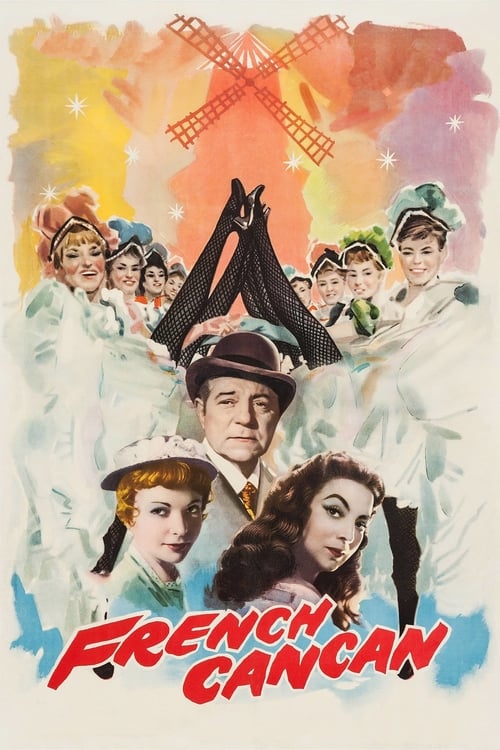
Nineteenth-century Paris comes vibrantly alive in Jean Renoir’s exhilarating tale of the opening of the world-renowned Moulin Rouge. Jean Gabin plays the wily impresario Danglard, who makes the cancan all the rage while juggling the love of two beautiful women—an Egyptian belly-dancer and a naive working girl turned cancan star.
1960
1952
1952
1937
1955
1945
1956
1983
No reviews yet. Be the first to share your thoughts on this movie!
Use the rating form above to leave a star rating and optional review.