
The Rules of the Game
1939
No user ratings available yet
Representation score: 6.7 out of 10
Representation Score
Fair
1952
Not RatedDirector
Max Ophüls
Runtime
97 minutes
Average Rating
No ratings yetNew Showbiz Analysis
Max Ophüls employs a sophisticated cinematic style to deconstruct social facades and explore human desires. The film's strength lies in its subversion of traditional moral hierarchies and its emphasis on female autonomy. While it lacks explicit LGBTQ+ representation and diverse character's ability to drive the story within its colonial setting, it presents a nuanced view of social structures. It replaces moral condemnation with a sophisticated, detached observation of transgressive behaviors. Ultimately, the work studies social and emotional fluidity, prioritizing the ability to act of women and the complexity of human pleasure over rigid societal constraints.
Category Breakdown
The film centers on heterosexual relationships and romantic transactions. Although it doesn't explicitly include non-straight identities, it explores the fluidity of desire and social roles.
Female characters play significant roles in shaping their environments and exercising economic control. The film challenges traditional submissive stereotypes by portraying women as active agents.
Set in a colonial outpost, the film examines power dynamics influenced by historical colonization. However, the narrative primarily focuses on European characters within their social circles.
The film excels in depicting moral relativism, showing transactional lifestyles with an elegant detachment. It critiques rigid traditional institutions through an aesthetically refined lens.
There are no prominent depictions of visible or invisible disabilities that significantly influence the narrative.
Present on Screen
Limited or Absent
Official Synopsis
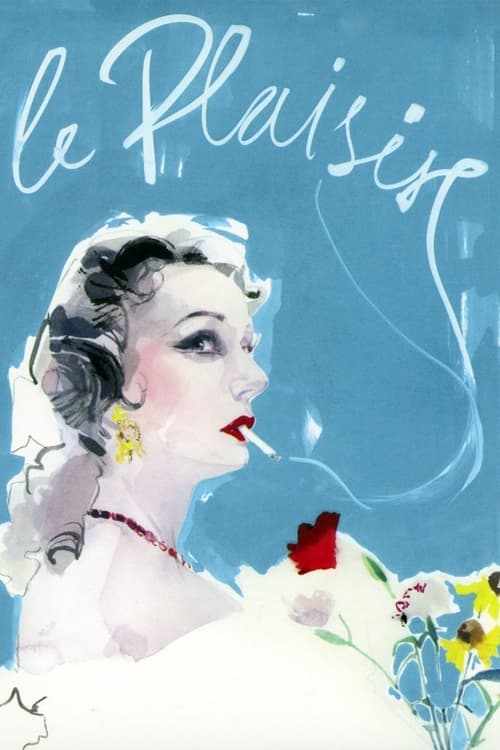
Three stories about pleasure. The first one is about a man hiding his age behind a mask to keep going to balls and fancying women - pleasure and youth. Then comes the long tale of Madame Tellier taking her girls (whores) to the country for attending her niece's communion - pleasure and purity. And lastly, Jean the painter falls in love with his model - pleasure and death.
1939

1950

1977
1964
1980

1984

1997
1964
No reviews yet. Be the first to share your thoughts on this movie!
Use the rating form above to leave a star rating and optional review.