The Well-Digger's Daughter
1940
No user ratings available yet
Representation score: 1.8 out of 10
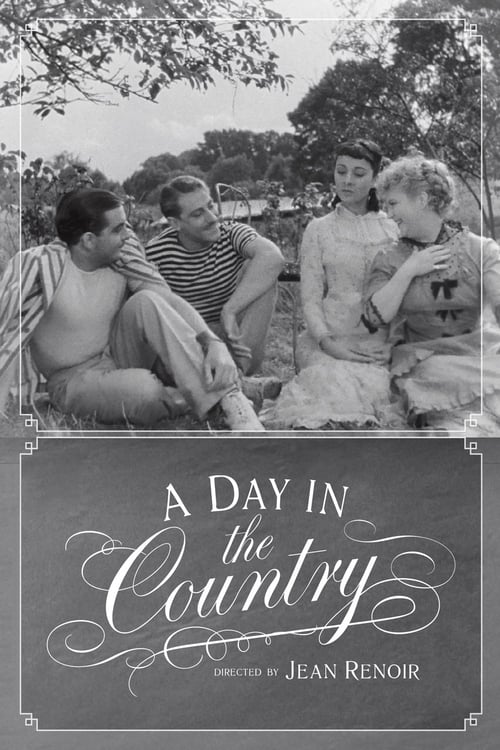
Representation Score
Fair
1946
Not RatedDirector
Jean Renoir
Runtime
41 minutes
Average Rating
No ratings yetNew Showbiz Analysis
Jean Renoir’s work excels at deconstructing social hierarchies and exploring the tensions between different socioeconomic classes. The film uses the divide between the bourgeoisie and the peasantry to challenge the stability of traditional institutions. However, the film is limited by its historical context, lacking modern multi-layered markers. It remains anchored in the demographic and social norms of 19th-century France, offering little representation for LGBTQ+ or racially diverse identities. Ultimately, the film's strength lies in its humanist critique of class and power rather than its breadth of identity representation.
Category Breakdown
The film centers on traditional romance and heterosexual relationships. There are no clear representations or hints of LGBTQ+ identities.
Female characters show strong ability to act and emotional depth, often surpassing the vanity of male characters. The peasant woman stands out for her dignity and strength.
The setting mirrors the demographic uniformity of 19th-century France. It lacks a racially diverse cast, focusing on the contrast between urban and rural life.
Renoir provides a sophisticated critique of bourgeois institutions and cultural ownership. The film highlights class oppression through a humanist perspective.
There are no prominent portrayals of physical or neurodivergent disabilities that play a central role in the story.
Present on Screen
Limited or Absent
Official Synopsis
The family of a Parisian shop-owner spends a day in the country. The daughter falls in love with a man at the inn, where they spend the day.
1940

1939

1946
1964
1983
1958

1967

1955
No reviews yet. Be the first to share your thoughts on this movie!
Use the rating form above to leave a star rating and optional review.