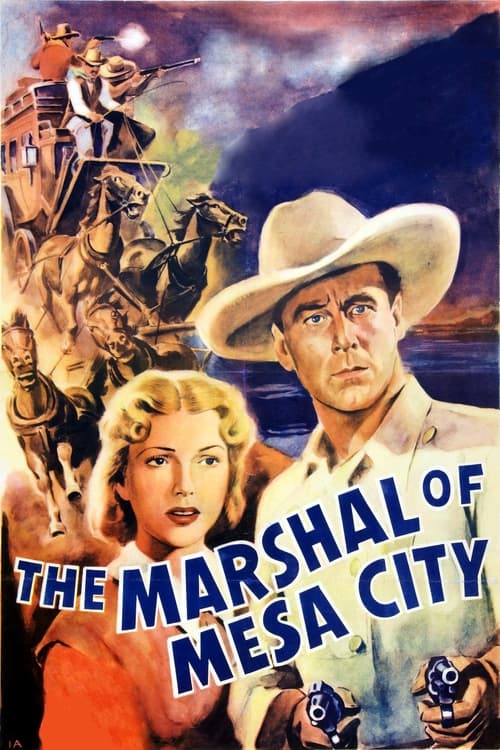
The Marshal Of Mesa City
1939
No user ratings available yet
Representation score: 0.5 out of 10
Representation Score
Minimal
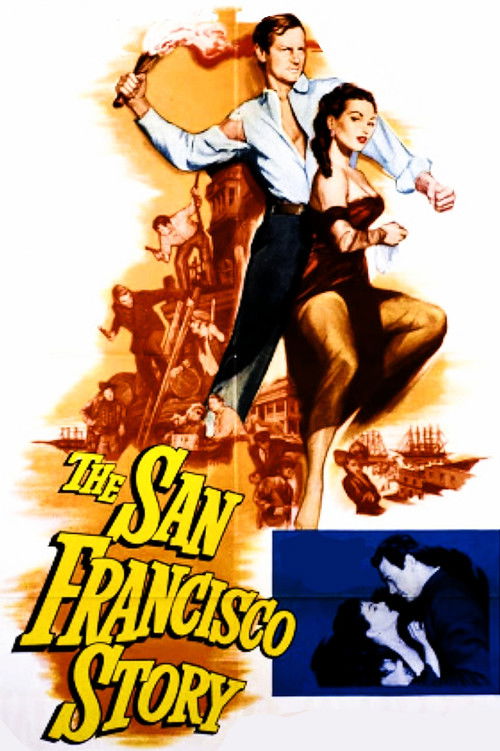
1952
ApprovedDirector
Robert Parrish
Runtime
80 minutes
Average Rating
No ratings yetNew Showbiz Analysis
The San Francisco Story is a classic example of 1950s cinema, emphasizing traditional social stability and power structures. The narrative focuses on a male protagonist's pursuit of law and order, reinforcing conventional gender roles and institutional authority. The lack of diverse representation and subversive character arcs limits the film's scope to a narrow social perspective. Ultimately, the film upholds the social hierarchies of its time, lacking in diversity regarding race, gender, and identity.
Category Breakdown
The film does not include any LGBTQ+ characters or identities. It focuses solely on traditional heterosexual relationships.
The story emphasizes traditional gender roles, where the male lead holds authority and the female character mainly supports his goals.
The film centers on a predominantly white, Anglo-Saxon cast with no significant racial diversity or inclusion of characters from other backgrounds.
The movie highlights the importance of law and order, reinforcing traditional Western institutions and conservative values.
The film does not feature any characters with visible or invisible disabilities.
Present on Screen
Limited or Absent
Official Synopsis
After five years of being away, Rick Nelson returns to San Francisco to find it filled with corruption - and crooked politicians. It isn't until he meets a beautiful San Franciscan, that Nelson decides to get involved with bringing law-and-order to the city by the bay!
1939
1939
1952
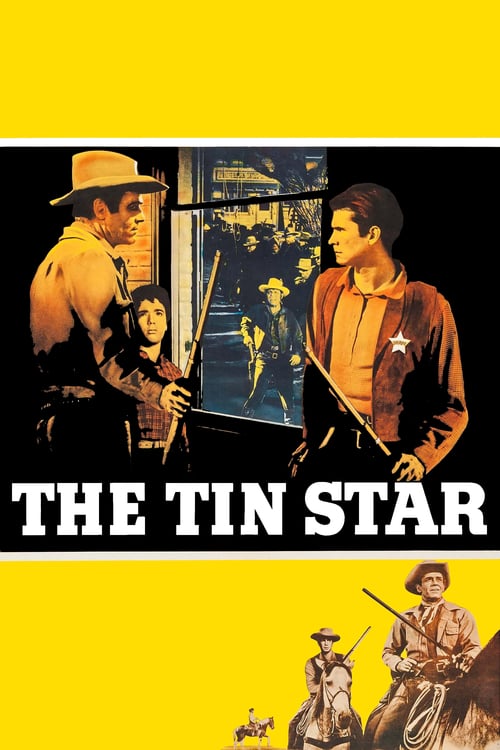
1957
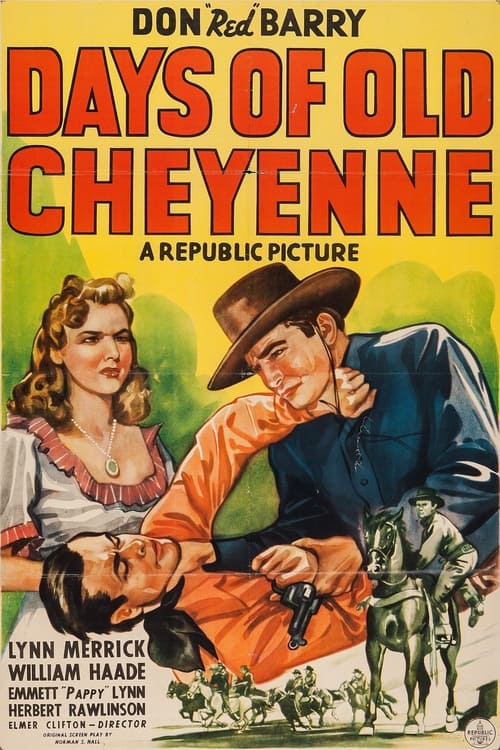
1943
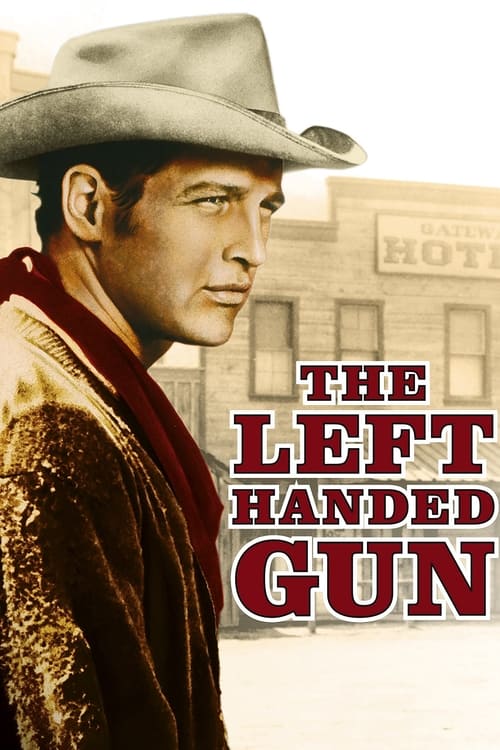
1958
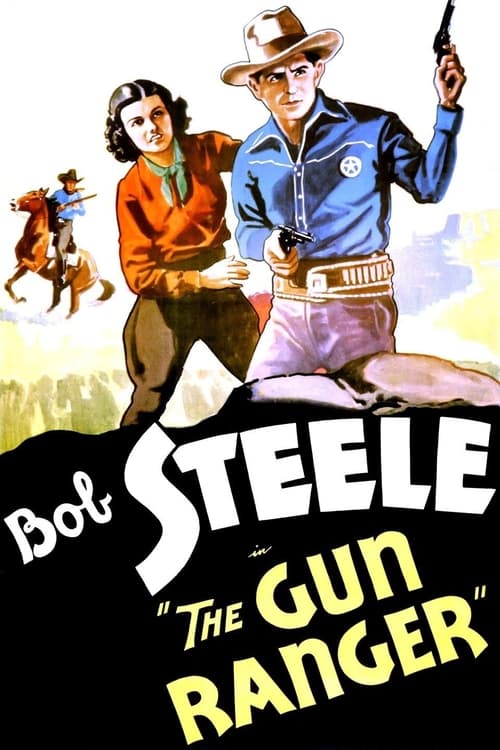
1936

1980
No reviews yet. Be the first to share your thoughts on this movie!
Use the rating form above to leave a star rating and optional review.