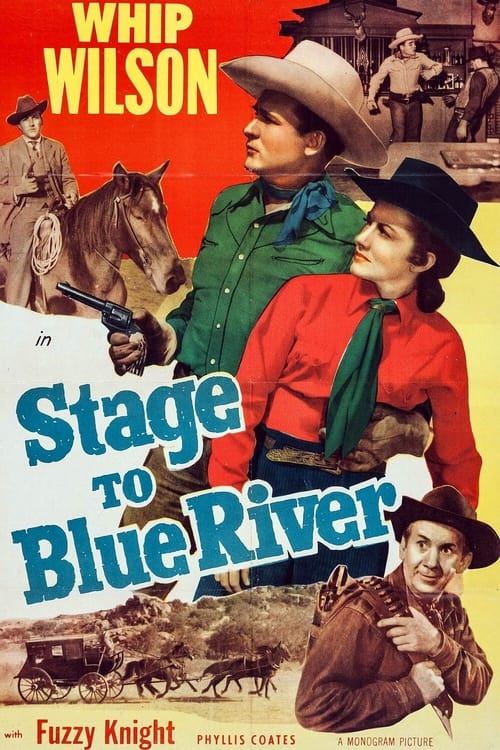
Stage to Blue River
1951
No user ratings available yet
Representation score: 0.4 out of 10
Representation Score
Minimal
1952
ApprovedDirector
Lewis D. Collins
Runtime
52 minutes
Average Rating
No ratings yetNew Showbiz Analysis
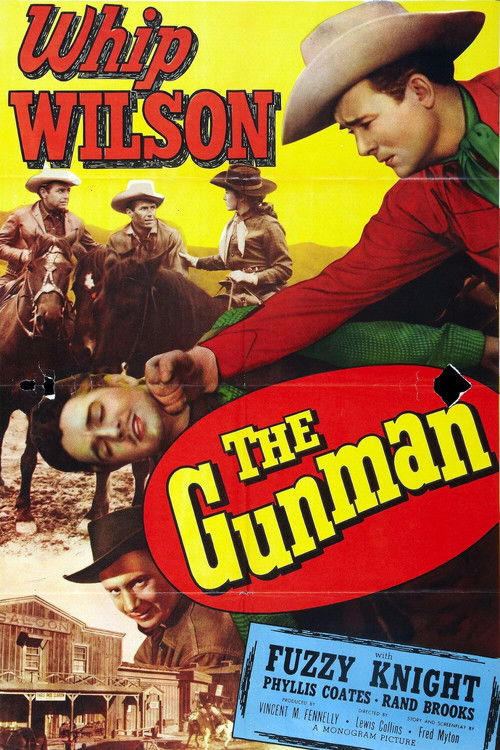
The Gunman is a conventional 1952 Western that mirrors the social and cinematic norms of its time. It prioritizes established hierarchies of gender and authority, offering a standard portrayal of the Western mythos. The film lacks complexity in representing multiple aspects of identity, focusing instead on a singular moral framework centered around a male protagonist. This results in a narrative that reinforces traditional archetypes rather than challenging them. Ultimately, the work functions as a period-typical genre piece that avoids disrupting traditional cultural institutions or including diverse identities.
Category Breakdown
The film follows the heterosexual norms of 1952. There is no indication of non-binary gender identities or same-sex relationships.
The story emphasizes traditional masculine leadership and the protector role. The focus on a male lawman reinforces conventional gender roles.
The film likely reflects the homogeneous depictions of the American frontier typical of early Hollywood. It centers on a centralized Western identity without diverse casting.
The narrative promotes traditional Western values and individual heroism. It portrays the lawman as a stabilizing force rather than critiquing systemic power structures.
There is no information regarding the portrayal of physical or neurodivergent characters. No evidence suggests disability is used as a narrative device.
Present on Screen
Limited or Absent
Official Synopsis
Terrorized citizens send for a Texas lawman to rid their town of bandits.
1951
1939
1952
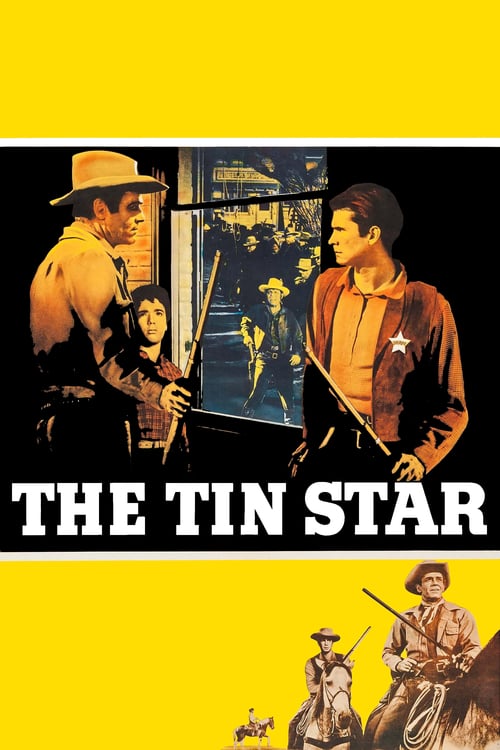
1957
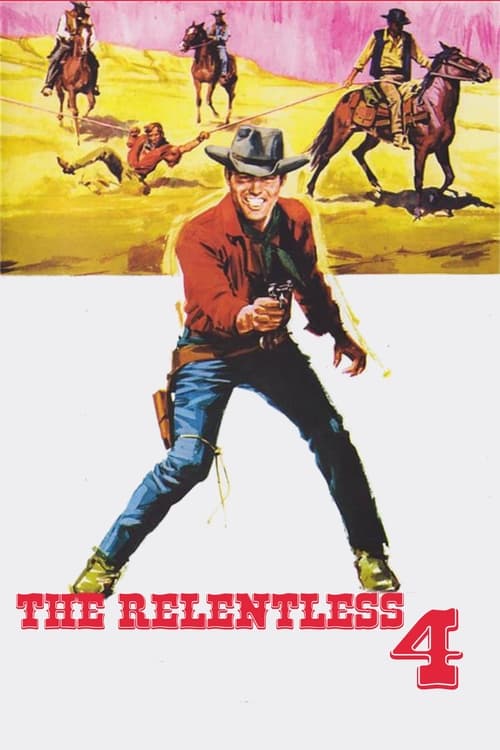
1965
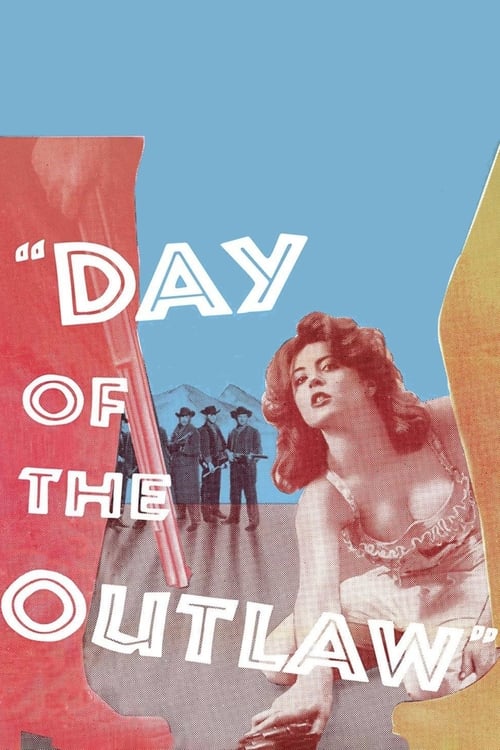
1959
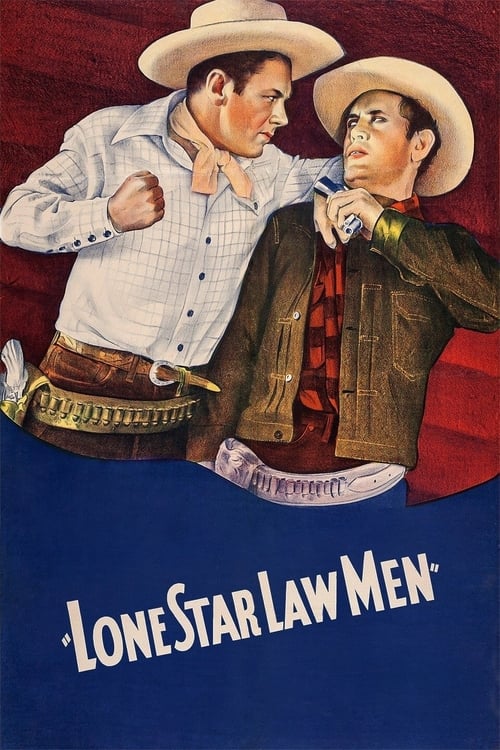
1941
1958
No reviews yet. Be the first to share your thoughts on this movie!
Use the rating form above to leave a star rating and optional review.