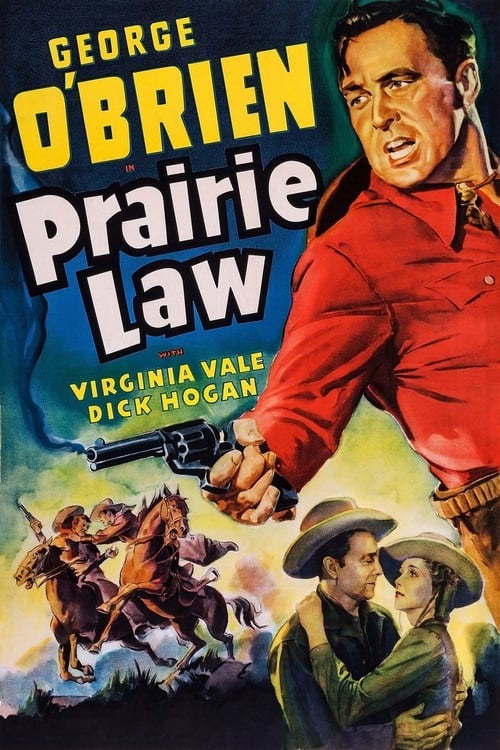
Prairie Law
1940
No user ratings available yet
Diversity score: 2.1 out of 10

1945
NRDirector
David Butler
Runtime
109 minutes
Average Rating
No ratings yetSynopsis
Rancher Clay Hardin arrives in San Antonio to search for and capture Roy Stuart, notorious leader of a gang of cattle rustlers. The vicious outlaw is indeed in the Texan town, intent on winning the affections of a beautiful chanteuse named Jeanne Starr. When the lovely lady meets and falls in love with the charismatic Hardin, the stakes for both men become higher.
Overall Score
Limited
Category Breakdown
LGBTQ+ Representation
The film operates within a strictly heteronormative framework. There is no presence of non-cisnormative identities or same-sex intimacy, focusing instead on traditional courtship.
Gender Representation
Female characters like Jeanne Starr serve primarily as romantic interests or objects of affection. Plot agency and law enforcement roles are almost exclusively reserved for male characters.
Racial & Ethnic Diversity
Mexican characters appear but are often relegated to antagonistic roles like outlaws. This reliance on archetypes reinforces historical power dynamics rather than providing depth.
Religious & Cultural Diversity
The story promotes a traditionalist view of justice and social order. It lacks any critique of Western institutions, functioning instead to reinforce the status quo.
Disability Representation
There is no discernible focus on physical, sensory, or neurodivergent representation within the narrative.
Strengths
Areas for Improvement
AI Analysis
San Antonio is a quintessential mid-century Western that prioritizes established genre tropes over social complexity. The narrative structure relies on clear moral binaries and conventional heroism, which maintains the social hierarchies of its era. The film's character dynamics are heavily lopsided. Men drive the conflict and the enforcement of law, while women are positioned as prizes to be won. This reinforces a patriarchal structure common to 1940s cinema. Furthermore, ethnic representation is limited by the use of stereotypical archetypes. By casting Mexican characters primarily as bandits, the film upholds traditional power dynamics rather than offering a nuanced cultural perspective.
1940
1946
1950
1932
1944
1938

1949
1950
1949
1956

1946
1935
No reviews yet. Be the first to share your thoughts on this movie!
Use the rating form above to leave a star rating and optional review.