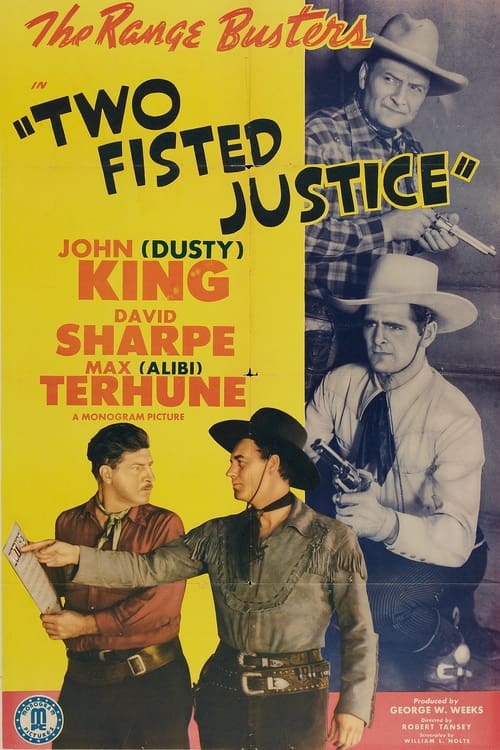
Two Fisted Justice
1943
No user ratings available yet
Representation score: 0.6 out of 10
Representation Score
Minimal
1941
PassedDirector
Robert Emmett Tansey
Runtime
61 minutes
Average Rating
No ratings yetNew Showbiz Analysis
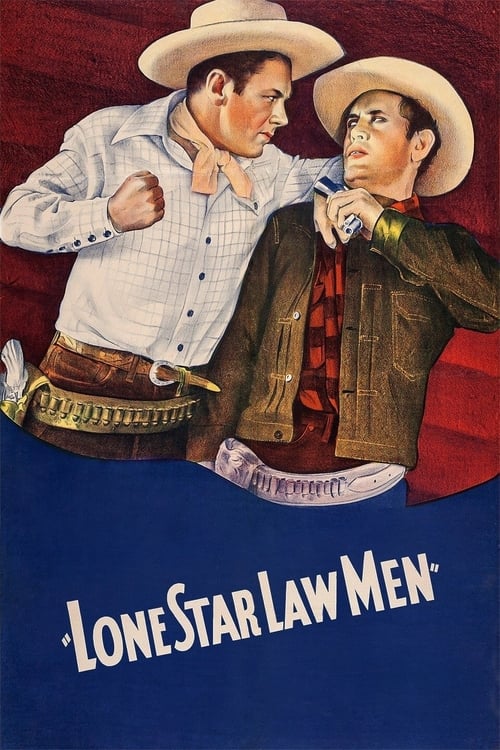
Lone Star Law Men is a classic B-Western that prioritizes established genre clichés and clear-cut morality. The narrative centers on a male protagonist imposing order on a lawless border town, reinforcing traditional hierarchies. The film upholds the era's conventional social structures and masculine archetypes, relying on these to drive its plot. It offers little in the way of challenging multi-layered identities or broader social expectations. Ultimately, the work reinforces the status quo of the frontier myth without questioning the social or cultural norms of its time.
Category Breakdown
The film follows traditional storytelling norms from its era, without depicting non-straight identities or narratives that challenge conventional norms.
The story centers on a male Marshal, reinforcing traditional masculine leadership roles. Female characters do not have significant roles in driving the story.
Set in a border town, the film reflects a diverse landscape, but likely uses simplified ethnic depictions common to 1941 B-Westerns.
The narrative emphasizes traditional Western institutions and frontier morality, focusing on restoring legal order without exploring diverse cultural perspectives.
There are no characters with disabilities portrayed with significant roles. Such traits were historically used as plot devices rather than nuanced characterizations.
Present on Screen
Limited or Absent
Official Synopsis
Outlaws are running wild in a border town. A marshal is sent in to clean it up.
1943
1939
1951
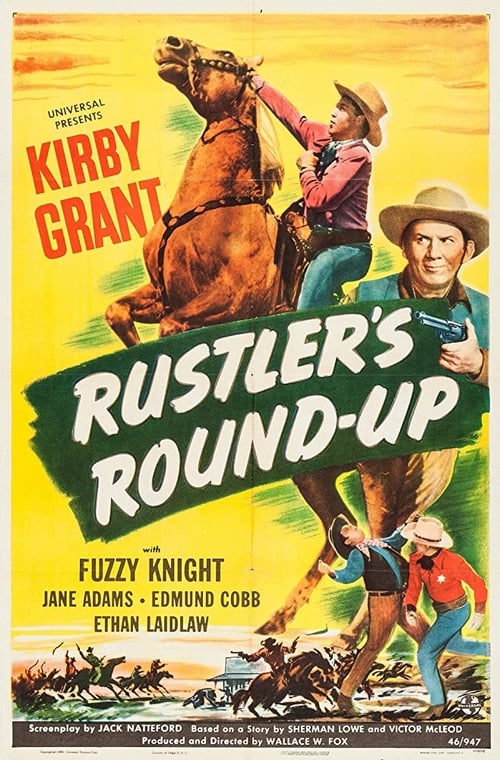
1946
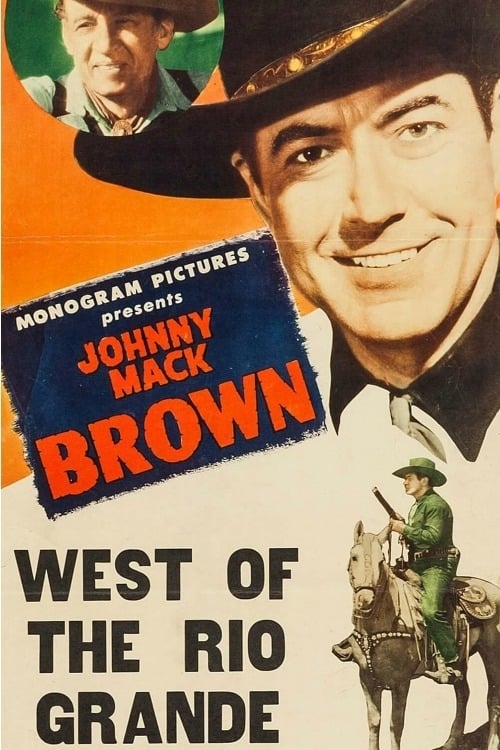
1944
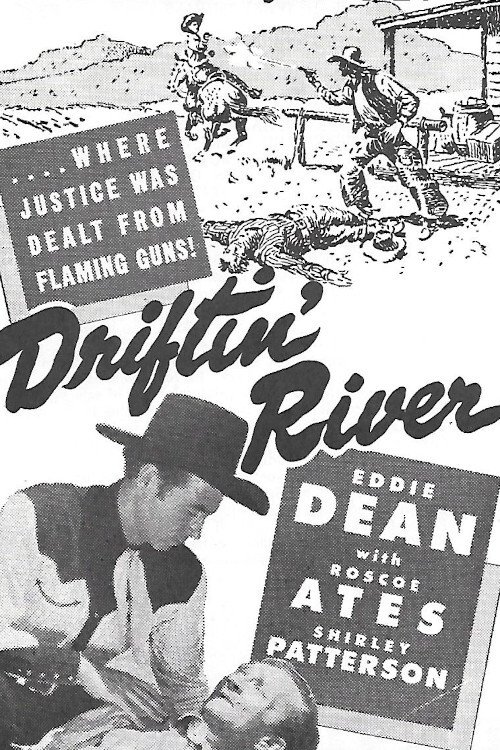
1946
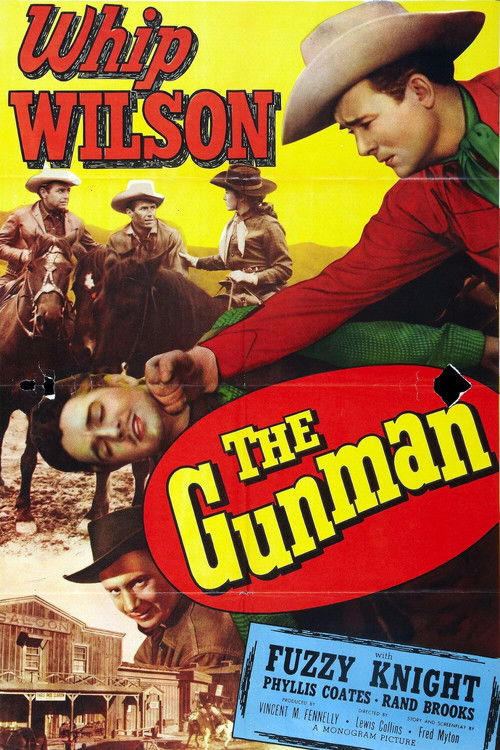
1952
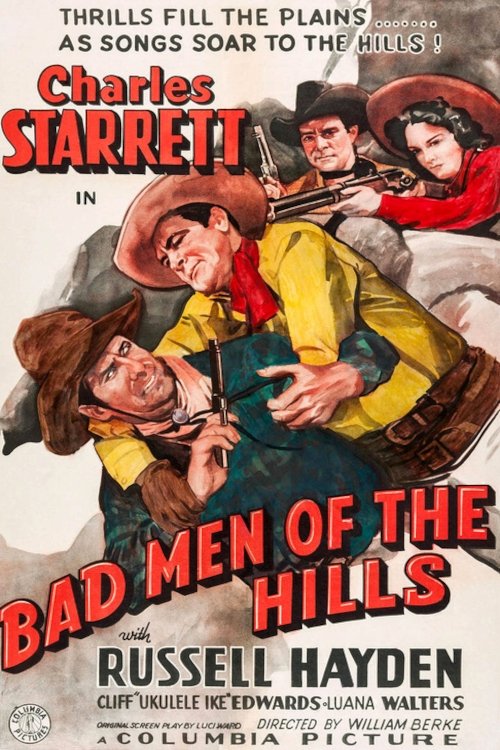
1942
No reviews yet. Be the first to share your thoughts on this movie!
Use the rating form above to leave a star rating and optional review.