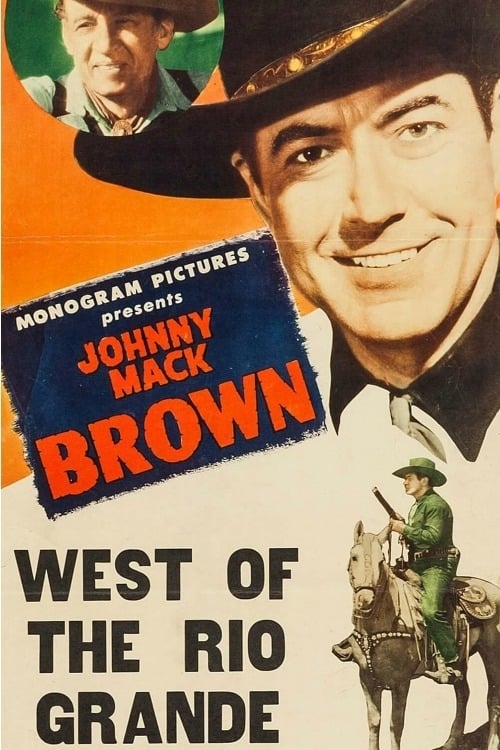
West of the Rio Grande
1944
No user ratings available yet
Representation score: 1.3 out of 10
Representation Score
Minimal
1948
ApprovedDirector
Lambert Hillyer
Runtime
55 minutes
Average Rating
No ratings yetNew Showbiz Analysis
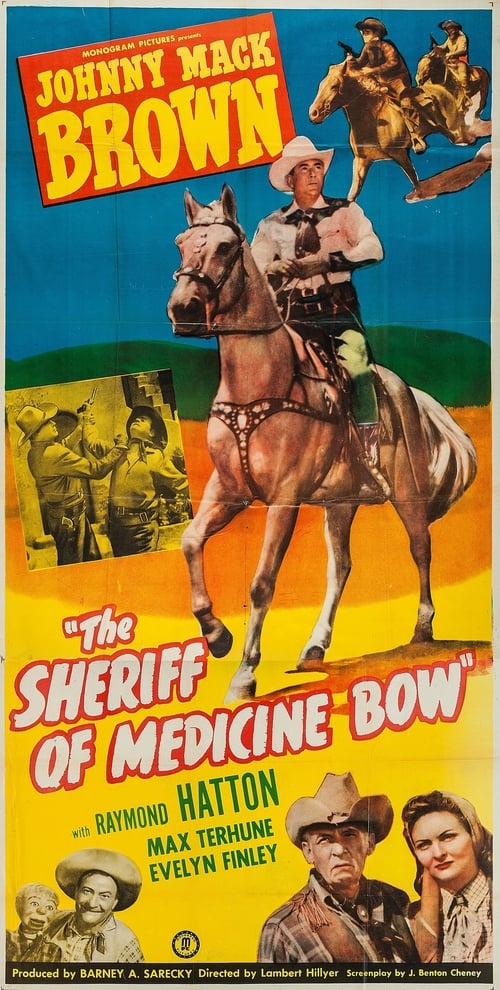
The Sheriff of Medicine Bow fits the mold of a typical mid-century B-Western, sticking to the rigid social structures of the 1940s. It emphasizes a clear moral divide between law and crime, which restricts its ability to represent diverse viewpoints. The film leans heavily on genre clichés, particularly the reliability of the male lawman. This focus reinforces traditional hierarchies and fails to meet modern standards for complex representation. Overall, the production serves as a historical example of conservative storytelling. It supports the status quo rather than questioning or expanding it.
Category Breakdown
There are no visible LGBTQ+ characters or non-straight identities in the film. It follows a strict assumption that everyone is straight or cisgender.
The story is driven by masculinity through law enforcement and physical confrontations. Women play secondary or domestic roles, reinforcing traditional gender roles without challenging them.
The cast lacks significant racial or ethnic diversity, showing a mostly white depiction of the frontier. The production focuses on an Anglo-centric perspective.
The story emphasizes traditional Western institutions like ranching and frontier justice. It promotes the stability of established social orders and the authority of the lawman.
There are no characters with visible or invisible disabilities. Disability is not used as a plot device or central character arc.
Present on Screen
Limited or Absent
1944
1939

1944
1957
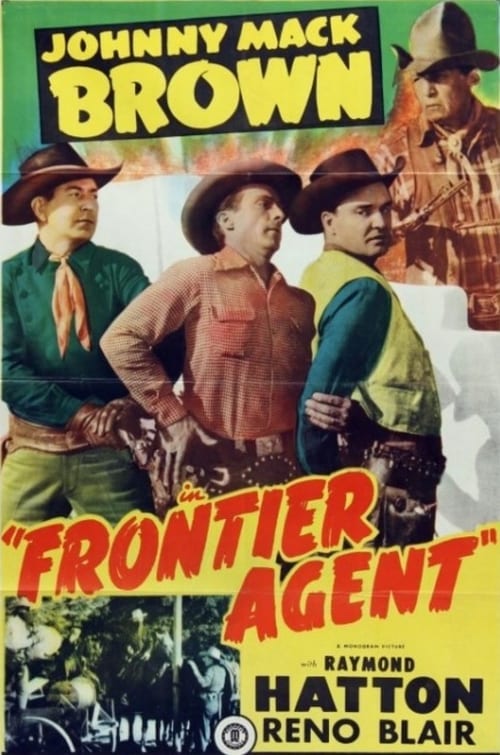
1948
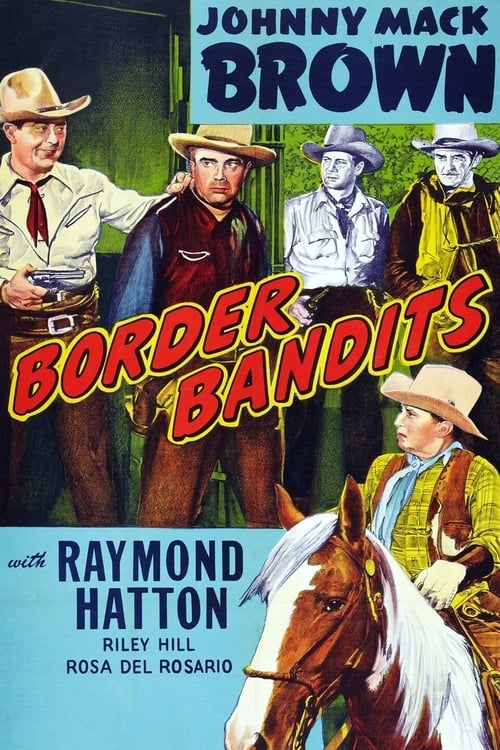
1946

1941

1947
No reviews yet. Be the first to share your thoughts on this movie!
Use the rating form above to leave a star rating and optional review.