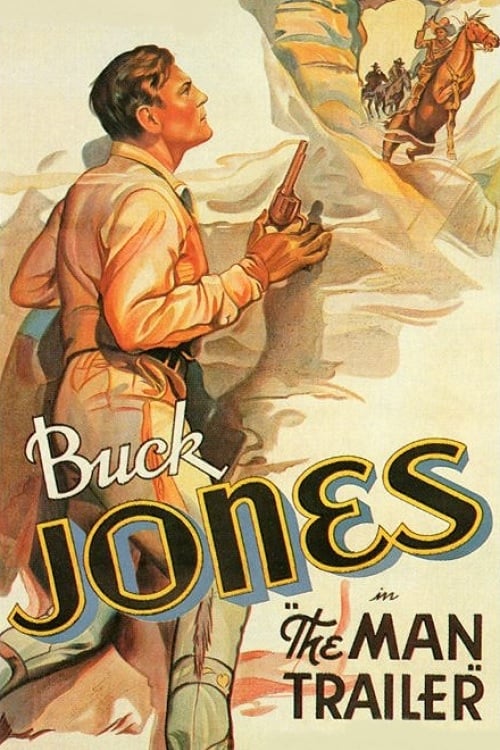
The Man Trailer
1934
No user ratings available yet
Representation score: 0.6 out of 10
Representation Score
Minimal
1936
PassedDirector
Robert F. Hill
Runtime
57 minutes
Average Rating
No ratings yetNew Showbiz Analysis
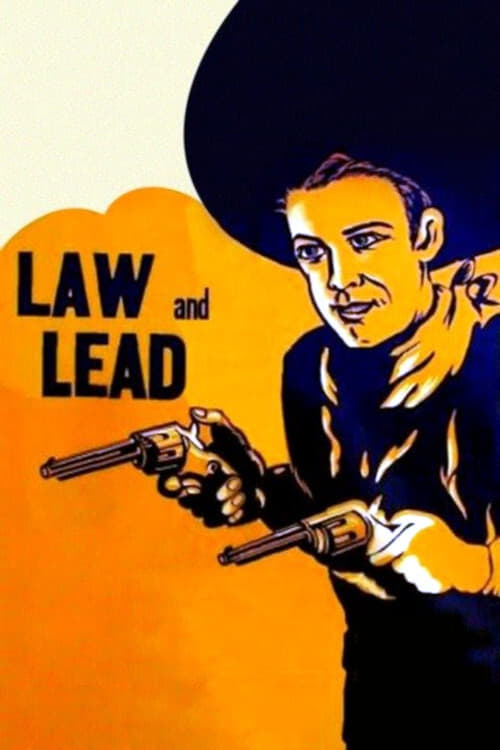
Law and Lead is a typical B-movie Western that adheres to genre conventions and traditional moral structures. The story follows a conventional path where a protagonist acts as a moral judge to restore social order. The film reinforces established social hierarchies and clear-cut distinctions between law-abiding citizens and criminals. It operates as a product of the 1930s studio system, emphasizing traditional values rather than challenging narrative norms. Overall, the film lacks representation across most diversity metrics, focusing instead on the classic Western themes of justice and individual ability to act within a rigid social structure.
Category Breakdown
The film does not include any characters with non-traditional gender identities or sexual orientations. It seems to follow the assumption that everyone is straight and cisgender, which was common in 1930s Westerns.
The story likely emphasizes male leadership and physical strength. There is no indication that women play roles of intellectual or physical superiority.
The story likely centers around a traditional Anglo-Saxon character. There is no evidence of characters of color taking leading roles or being cast in roles traditionally held by white actors.
The plot likely upholds traditional Western values and moral absolutes. It prioritizes restoring law and order over questioning systemic issues.
There is no evidence of characters with visible or invisible disabilities. No such characters are shown taking active roles in the narrative.
Present on Screen
Limited or Absent
Official Synopsis
A cowboy hears rumors that an old friend who once headed a criminal gang and had since gone straight is now back on the wrong side of the law. He goes to investigate.
1934
1939
1931
1939

1936
1939
1939
1937
No reviews yet. Be the first to share your thoughts on this movie!
Use the rating form above to leave a star rating and optional review.