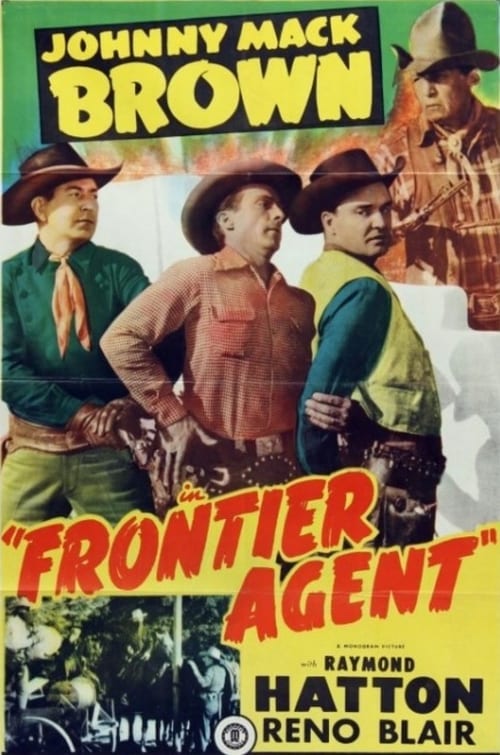
Frontier Agent
1948
No user ratings available yet
Diversity score: 1.9 out of 10
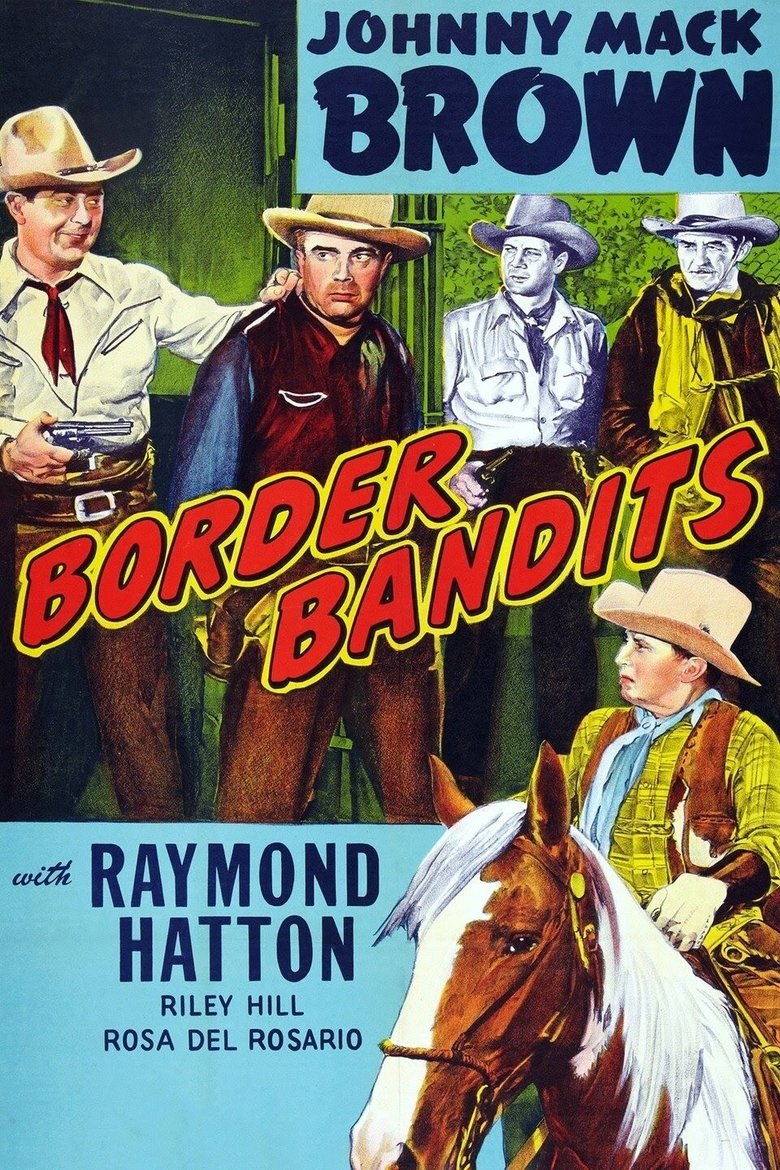
1946
ApprovedDirector
Lambert Hillyer
Runtime
58 minutes
Average Rating
No ratings yetSynopsis
Johnny Mack Brown dons a marshal's badge in the Monogram western Border Bandits. Brown's sworn duty is to bring in a gang of crooks whose hideout is on the other side of the Mexican border. Aiding Brown in his task are faithful sidekicks Raymond Hatton and Riley Hill. For reasons unknown, Brown is allowed to sing on occasion, despite the indifference of millions. Border Bandits benefits from the assured direction of veteran horse-opera helmsman Lambert Hillyer. Read more at http://www.allmovie.com/movie/border-bandits-v6698#KZjtZou6qvrzIxzI.99
Overall Score
Minimal
Category Breakdown
LGBTQ+ Representation
The film lacks any evidence of non-heteronormative identities. It follows a standard law-and-order framework typical of 1946, prioritizing traditional social structures.
Gender Representation
Johnny Mack Brown serves as the primary agent of justice, supported by male sidekicks. The story adheres to traditional masculine leadership models without subverting gender hierarchies.
Racial & Ethnic Diversity
The plot involves a gang hiding on the Mexican side of the border. This setting likely reinforces 'us vs. them' dynamics through standard mid-century tropes.
Religious & Cultural Diversity
The narrative reinforces traditional Western institutions like the Marshal's legal authority. It focuses on restoring order and punishing criminality rather than offering systemic critiques.
Disability Representation
There is no mention of characters with visible or invisible disabilities. The film does not address disability or provide characters with such agency.
Strengths
Areas for Improvement
AI Analysis
Border Bandits is a quintessential mid-century B-Western that relies heavily on established genre tropes and traditional hierarchies. The narrative is built around the competence of a masculine protagonist and the restoration of legal order, reinforcing the social status quo of 1946. While the setting involves the Mexican border, the film appears to function within the era's standard cinematic conventions. It lacks intersectional complexity, focusing instead on clear moral binaries and the authority of the law. Ultimately, the film serves as a reinforcement of traditional Western morality. It offers little disruption to conventional social structures or archetypes, making it a standard example of the horse-opera tradition.
1948
1934
1946
1945
1943
1945
1948
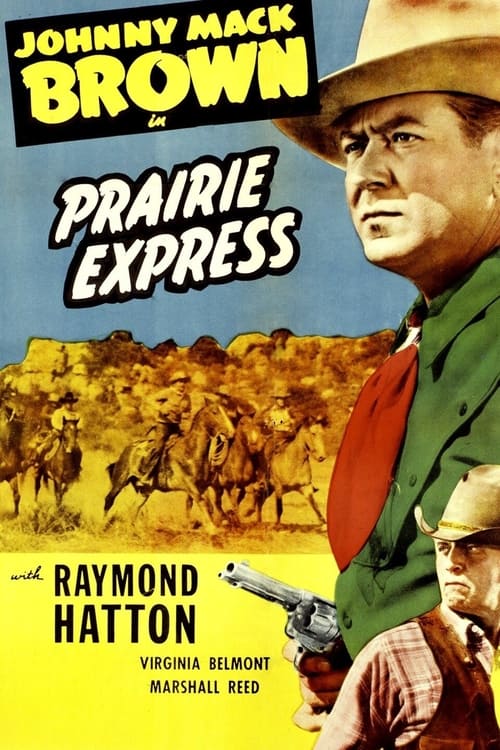
1947
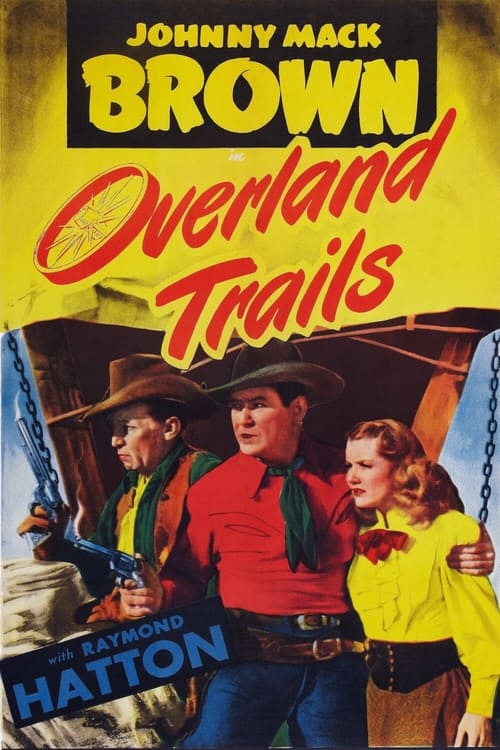
1948
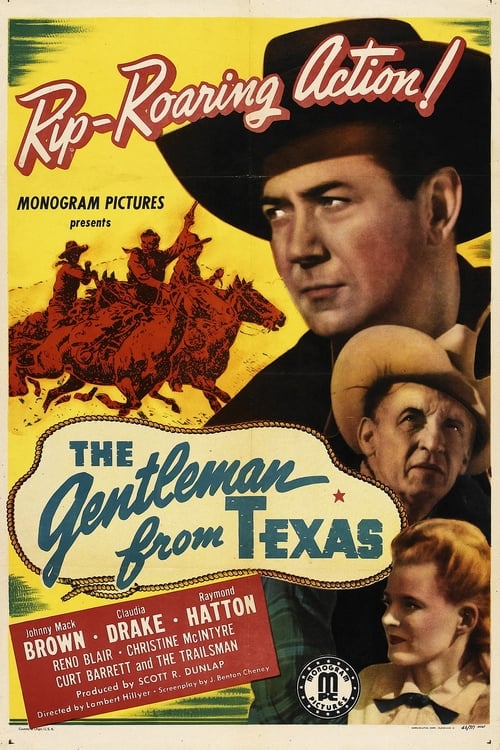
1946
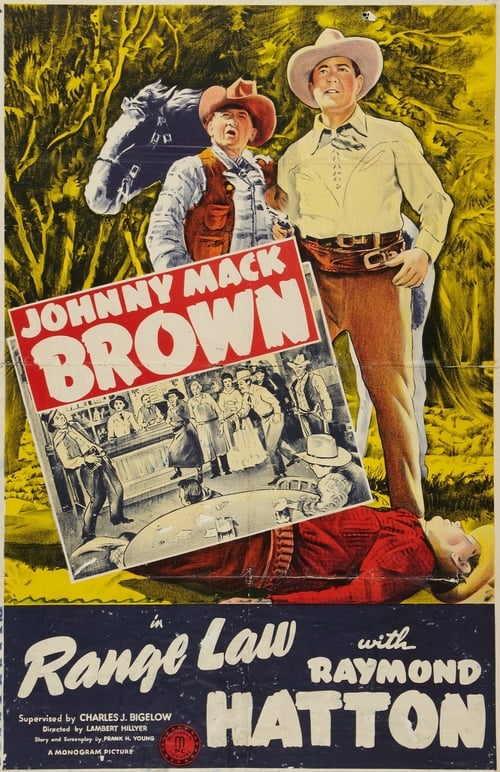
1944
1946
No reviews yet. Be the first to share your thoughts on this movie!
Use the rating form above to leave a star rating and optional review.