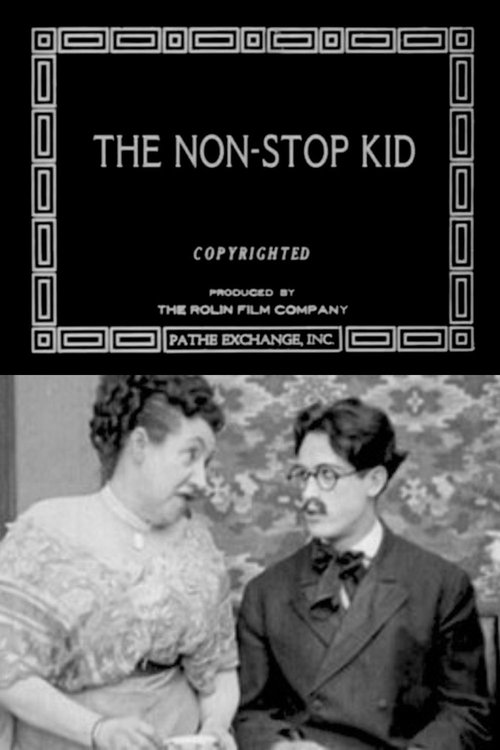
The Non-Stop Kid
1918
No user ratings available yet
Representation score: 0.4 out of 10

Representation Score
Minimal
1917
NRDirector
Harold Lloyd, J. Farrell MacDonald
Runtime
6 minutes
Average Rating
No ratings yetNew Showbiz Analysis
Over the Fence is a product of the early silent comedy era, designed primarily to showcase physical humor and character types. The story is built around traditional social structures and does not aim to represent diverse identities. Reflecting the social norms of 1917, the film focuses on individual comedic resolutions rather than exploring broader societal issues or multi-layered themes.
Category Breakdown
The film centers on a humorous situation involving stolen baseball tickets and trying to secure a date. There is no indication of non-straight identities or same-sex relationships.
The story revolves around a male character using a costume to overcome social barriers and win a date. However, the costume serves for slapstick comedy rather than challenging traditional gender roles.
The cast mirrors the demographic norms of the early 20th century, with no evidence of non-white actors or race-bent casting.
The storyline operates within a conventional Western comedic framework emphasizing situational humor. It does not challenge or deconstruct Western cultural norms.
There is no evidence of characters with visible or invisible disabilities in the film. Such characters are not used as plot devices or given significant roles.
Present on Screen
Limited or Absent
Official Synopsis
Snitch steals Ginger's (stolen) baseball tickets and takes Ginger's girl to the game. Finding himself without tickets, Ginger dresses as a baseball player and wins the game. A possible debut of the "Glasses" or "Boy" character.
1918

1926
1916
1924
1918

1916
1906

1915
No reviews yet. Be the first to share your thoughts on this movie!
Use the rating form above to leave a star rating and optional review.