
Shanghaied
1915
No user ratings available yet
Representation score: 0.4 out of 10
Representation Score
Minimal
1916
TV-GDirector
Charlie Chaplin
Runtime
26 minutes
Average Rating
No ratings yetNew Showbiz Analysis
This early Chaplin short is primarily a foundational slapstick comedy rather than a sophisticated social critique. It heavily relies on period-specific clichés, especially those related to gender roles and social structures. Demographically, the film follows the conventions of the 1910s, lacking complex multi-layered or diverse representations. Although it touches on themes of deception and professional ethics, it does not challenge the systemic norms of its time. Overall, the work reflects the limited representation typical of early silent cinema, focusing on physical comedy over social or cultural subversion.
Category Breakdown
The film does not include any LGBTQ+ characters or explore non-straight identities. It sticks closely to the social norms of 1916.
The story uses the 'damsel-in-distress' cliché, where the female character's vulnerability drives the plot, reinforcing traditional gender roles.
The cast seems uniform, following the standard casting practices of the early 20th century. There are no non-white characters or intentional racial diversity.
The story focuses on a typical Western urban setting and critiques insurance fraud. However, it stays within a traditional framework without broader cultural critiques.
There are no characters with visible or invisible disabilities featured prominently in the plot or given specific ability to act.
Present on Screen
Limited or Absent
Official Synopsis
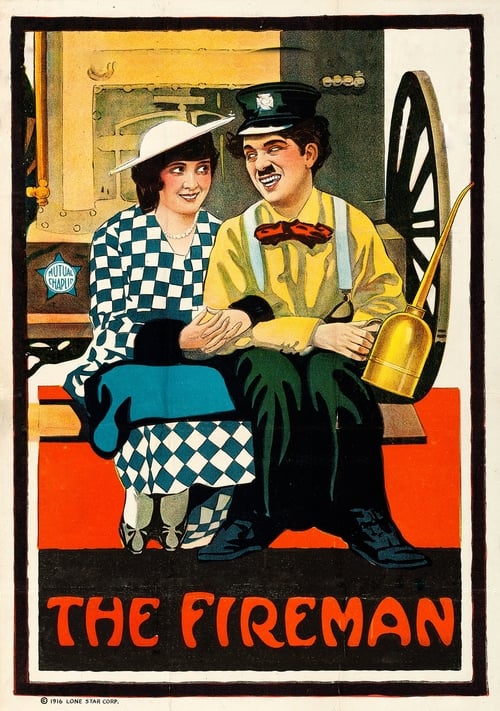
Firefighter Charlie Chaplin is tricked into letting a house burn by an owner who wants to collect on the insurance.
1915

1923
1916
1926
1914
1940

1916

1915
No reviews yet. Be the first to share your thoughts on this movie!
Use the rating form above to leave a star rating and optional review.