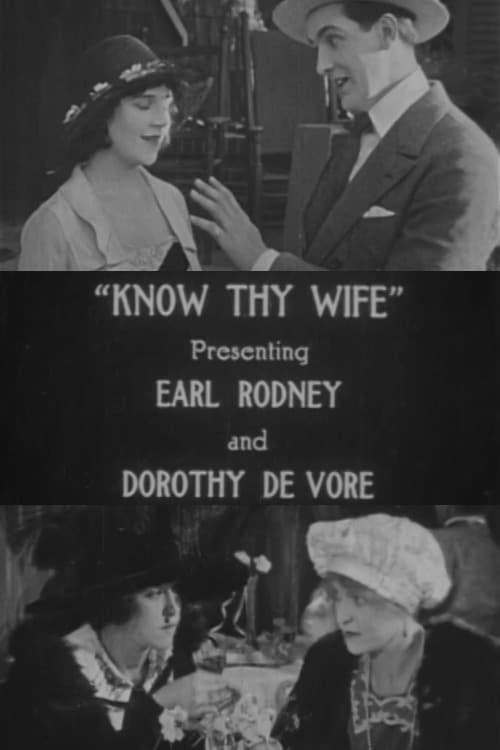
Know Thy Wife
1918
No user ratings available yet
Representation score: 0.4 out of 10
Representation Score
Minimal
1918
NRDirector
Gilbert Pratt
Runtime
12 minutes
Average Rating
No ratings yetNew Showbiz Analysis
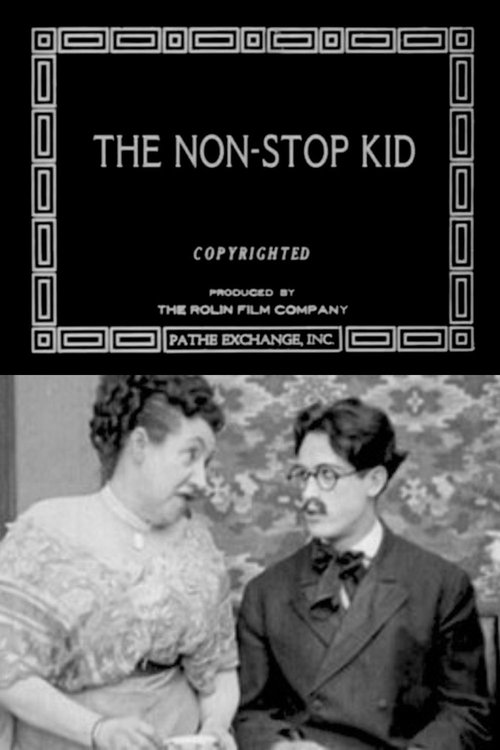
The Non-Stop Kid is a product of its era, functioning as a standard slapstick comedy centered on romantic competition and identity deception. The narrative relies on situational humor rather than any attempt to challenge common expectations or address broader social issues. While the protagonist uses impersonation to navigate romantic obstacles, the film remains rooted in the conventional clichés of early 20th-century silent cinema. It lacks intentionality regarding the way different parts of someone's identity overlap or the disruption of traditional social structures.
Category Breakdown
The film focuses on traditional courtship between male and female characters. There are no depictions of non-straight relationships or narratives that challenge the assumption that everyone is straight.
Bebe serves as the object of pursuit within a patriarchal framework. Her father exerts control over her marriage, though the protagonist gains a significant role in driving the story through identity deception.
The film appears to follow the homogeneous casting norms typical of 1918. There is no indication of diverse ethnic perspectives or race-bent casting.
The plot centers on established social mores like parental authority and courtship. It functions within traditional Western social structures rather than critiquing them.
The narrative provides no evidence of characters with visible or invisible disabilities.
Present on Screen
Limited or Absent
Official Synopsis
Bebe is surrounded by suitors, but her father wants her to marry Professor M. T. Noodle. Harold makes his move by impersonating the professor.
1918

1926
1921
1915
1912
1918
1916
1936
No reviews yet. Be the first to share your thoughts on this movie!
Use the rating form above to leave a star rating and optional review.