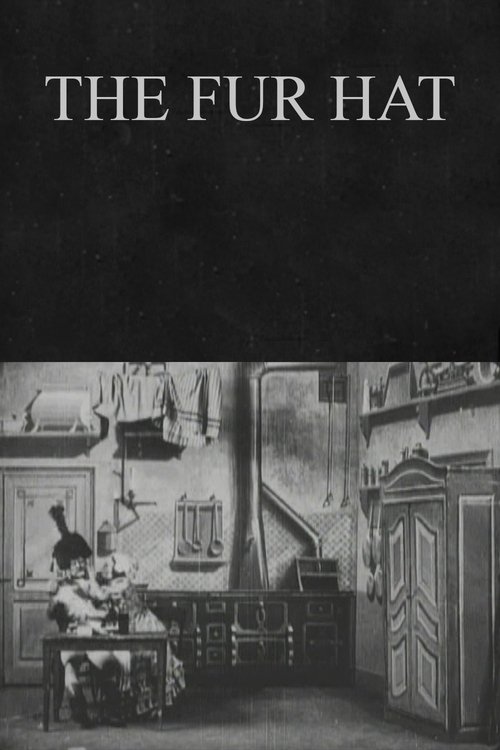
The Fur Hat
1907
No user ratings available yet
Diversity score: 4.0 out of 10
No Poster Available
1916
Director
Louis Feuillade
Runtime
3 minutes
Average Rating
No ratings yetSynopsis
The artist awakens. His maid brings him a letter from the Gaumont Studio. After a quick glance to it, he hastens to get dressed and runs to the studio followed by his wife, his maid and his son, Bout-de-Zan who want a part in the movie.
Overall Score
Limited
Category Breakdown
LGBTQ+ Representation
The film focuses on a traditional familial structure consisting of an artist, his wife, and their son. There is no evidence of non-heteronormative identities or narratives.
Gender Representation
Women, including the wife and the maid, actively pursue professional agency alongside the male protagonist. However, these roles remain framed within a traditional domestic context.
Racial & Ethnic Diversity
The cast appears homogeneous, reflecting the standard demographic norms of early 20th-century French cinema. No racial blending or diverse casting is indicated.
Religious & Cultural Diversity
The narrative operates within the standard social norms of 1916, emphasizing the nuclear family. It does not explicitly challenge Western institutions or religious structures.
Disability Representation
The film provides no evidence regarding the inclusion of characters with visible or invisible disabilities.
Strengths
Areas for Improvement
AI Analysis
Louis Feuillade’s comedy is a meta-cinematic look at the early film industry, centered on a family's pursuit of studio work. While it captures the excitement of the era, the representation is strictly bound by the social hierarchies of 1916. The film succeeds in showing women as active participants in the family's professional ambitions. However, this agency is limited to a domestic framework that lacks modern intersectional depth. Ultimately, the work functions as a period piece that reinforces the conventional demographic norms of its time rather than subverting them.
1907
1919
1918
1897
1907

1917
1912

1918
1909
1916
1909
1916
No reviews yet. Be the first to share your thoughts on this movie!
Use the rating form above to leave a star rating and optional review.