Strange Adventure of New York Drummer
1899
No user ratings available yet
Representation score: 0.4 out of 10
Representation Score
Minimal
1909
Not RatedDirector
D.W. Griffith
Runtime
13 minutes
Average Rating
No ratings yetNew Showbiz Analysis
This 1909 short serves as a foundational example of early slapstick comedy, focusing on physical momentum and situational absurdity. The narrative is centered around a chase mechanic, prioritizing action over character development or identity-driven storytelling. Given the lack of structural complexity to address multiple aspects of identity, the film remains firmly within the traditionalist framework of early silent cinema. The focus is on a singular male protagonist and a chasing crowd, without exploring diverse identities or social critiques.
Category Breakdown
The film does not depict any LGBTQ+ identities or same-sex relationships. It stays within the conventions that assume everyone is straight or cisgender.
The story primarily revolves around male-centric humor and traditional gender roles. It does not challenge established gender hierarchies.
The cast appears uniform, reflecting the production limitations of the time. There is no indication of diverse racial or ethnic representation.
The story upholds traditional social structures and class-based settings. It avoids challenging Western social or religious norms through conventional comedic clichés.
There are no characters with visible or invisible disabilities in the film. Such characters are not integrated into the narrative or used as plot devices.
Present on Screen
Limited or Absent
Official Synopsis
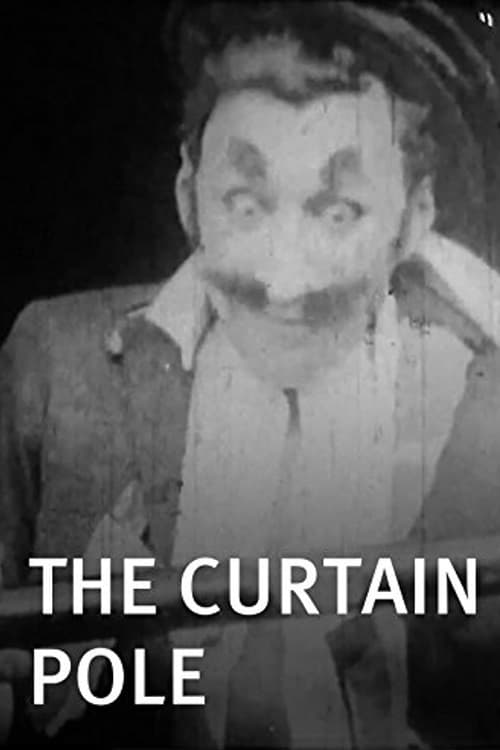
An upper class drawing room. A gentleman breaks the curtain pole and goes in search of a replacement, but he stops into a pub first. He buys a very long pole, and causes havoc everywhere he passes, accumulating an ever-growing entourage chasing him, until he escapes them through a bit of movie magic, only to discover that the pole has already been replaced.
1899
1900

1905

1909
1904

1906
1909
1900
No reviews yet. Be the first to share your thoughts on this movie!
Use the rating form above to leave a star rating and optional review.