
His Royal Slyness
1920
No user ratings available yet
Representation score: 2.5 out of 10
Representation Score
Minimal
1920
ALDirector
William Worthington
Runtime
50 minutes
Average Rating
No ratings yetNew Showbiz Analysis
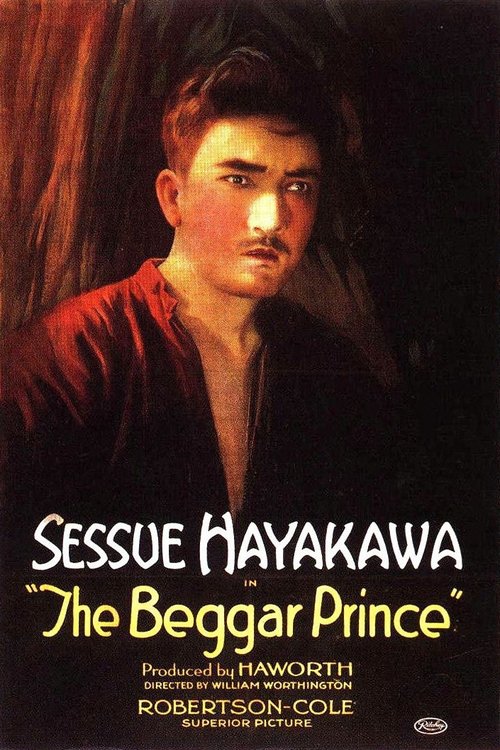
The Beggar Prince is a classic silent-era comedy that relies on the identity-swap cliché to generate humor and explore class differences. However, the film ultimately upholds the status quo. The central conflict is driven by individual character flaws, such as egotism, rather than a critique of institutional power. The narrative resolves by restoring characters to their original social positions to facilitate marriage, reinforcing existing hierarchies instead of dismantling them. Consequently, the film lacks the multi-layered complexity or systemic critique found in more progressive works.
Category Breakdown
The film centers on a heterosexual relationship and does not include any characters with non-traditional gender identities or critiques of traditional gender roles.
The female protagonist mainly serves as a plot device through her kidnapping. Although there is a temporary switch in roles, the ending aligns with traditional gender norms.
The story highlights class differences between a fisherman and a prince. It does not feature actors from diverse racial backgrounds or explore multi-layered racial dynamics.
The narrative operates within a conventional moral framework. The resolution upholds traditional social stability rather than presenting an anti-establishment or anti-capitalist critique.
There are no characters with visible or invisible disabilities in the film.
Present on Screen
Limited or Absent
Official Synopsis
A humble fisherman's girlfriend is kidnapped by an egotistical prince tricked into believing he has powers. The two lookalikes swap lives until reverting roles to marry.
1920
1926
1932
1920
1934
1940
1921
1916
No reviews yet. Be the first to share your thoughts on this movie!
Use the rating form above to leave a star rating and optional review.