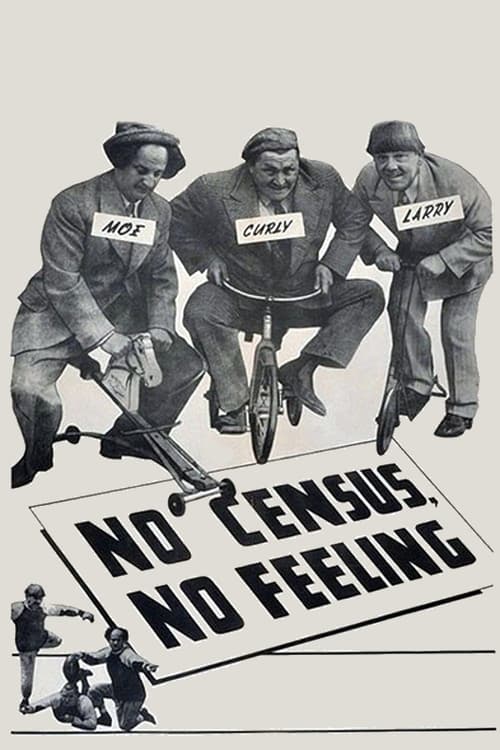
No Census, No Feeling
1940
No user ratings available yet
Representation score: 1.3 out of 10
Representation Score
Minimal
1934
NRDirector
Ray McCarey
Runtime
20 minutes
Average Rating
No ratings yetNew Showbiz Analysis
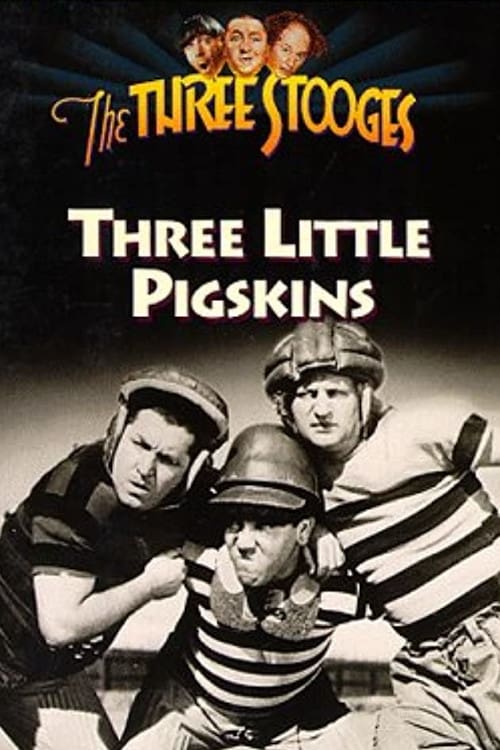
Three Little Pigskins is a product of the early sound era, functioning as a character-driven slapstick comedy. The narrative relies on the cliché of mistaken identity to drive its chaotic humor. The film operates within the rigid social and comedic frameworks of 1934. It lacks the narrative complexity needed to disrupt or engage with diverse social hierarchies. Ultimately, the work serves as a traditional period piece that reinforces established genre conventions rather than expanding demographic representation.
Category Breakdown
The film does not depict any characters with non-binary or transgender identities. It follows the standard social norms of the 1930s.
Lucille Ball plays a prominent role as a gun moll, but her character follows traditional cinematic clichés rather than challenging gender hierarchies.
The cast appears homogeneous, reflecting the typical studio comedies of the early 1930s. There is no indication of diverse casting or racial blending.
The plot relies on established gangster and athlete clichés, reinforcing rather than challenging the social norms and institutions of the era.
There is no evidence of characters with physical or neurodivergent disabilities. Such portrayals are not used as plot devices.
Present on Screen
Limited or Absent
Official Synopsis
The stooges are mistaken by a gangster for the "Three Horsemen of Boulder Dam", famous football players. Hired to play for his team, they blow the big game and get it in the end. Lucille Ball has a nice part as a gun moll.
1940
1931
1939
1937
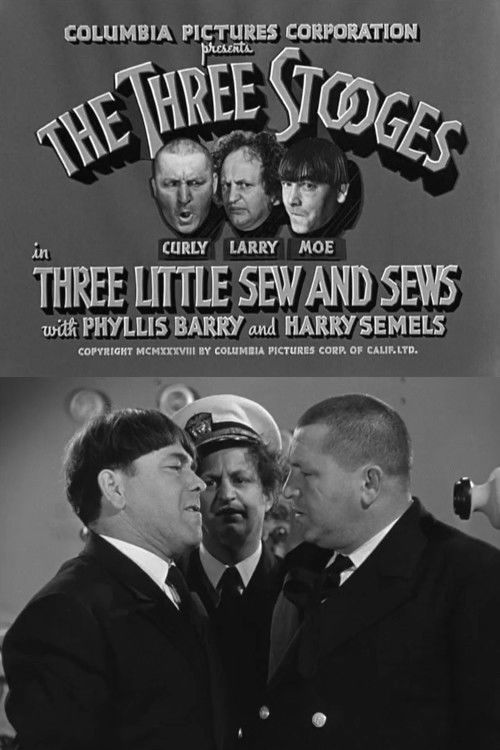
1939
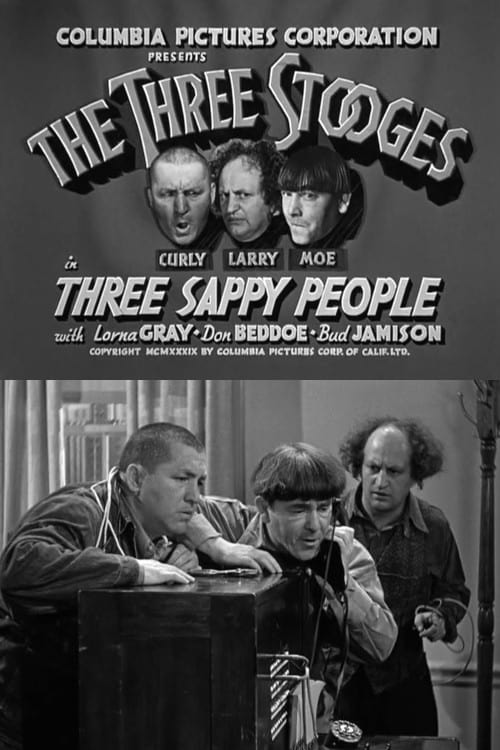
1939
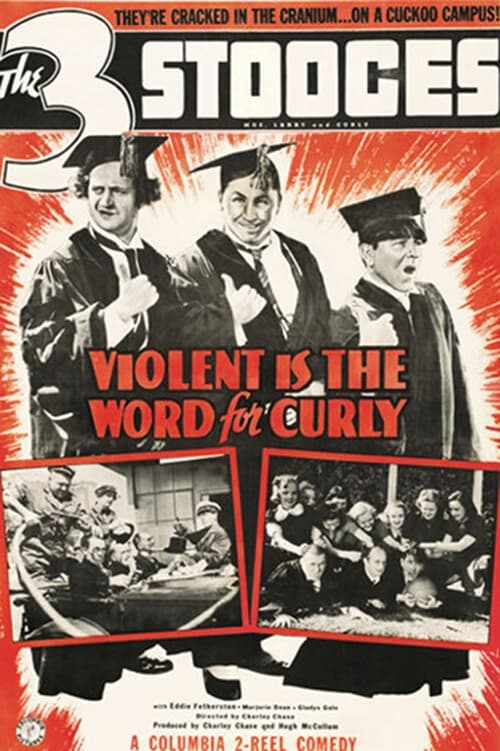
1938
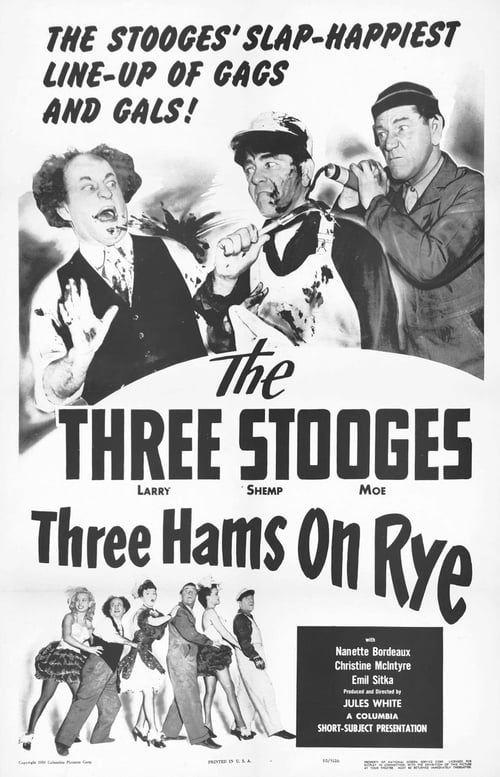
1950
No reviews yet. Be the first to share your thoughts on this movie!
Use the rating form above to leave a star rating and optional review.