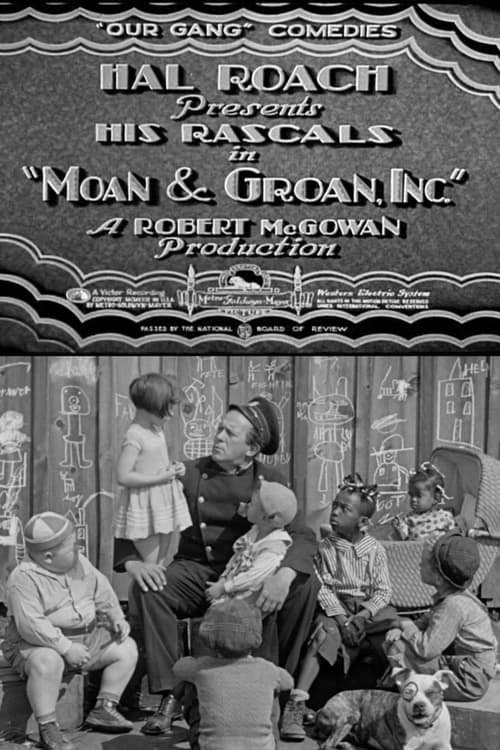
Moan & Groan, Inc.
1929
No user ratings available yet
Diversity score: 2.1 out of 10
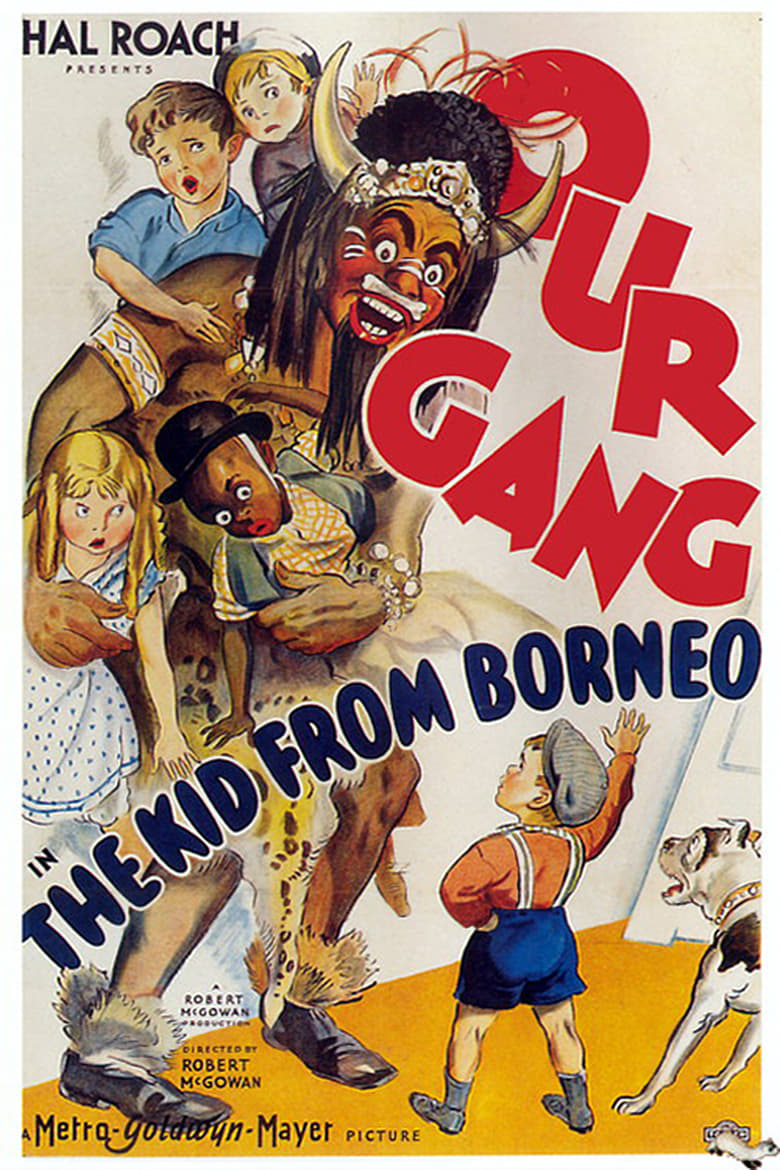
1933
Director
Robert F. McGowan
Runtime
18 minutes
Average Rating
No ratings yetSynopsis
The gang goes to a circus sideshow to visit Dickie and Spanky's uncle, mistakenly believing he is "The Wild Man from Borneo."
Overall Score
Minimal
Category Breakdown
LGBTQ+ Representation
The film contains no discernible LGBTQ+ characters. The social landscape remains strictly aligned with the traditional domestic structures of the 1930s.
Gender Representation
The narrative focus is heavily skewed toward a male-dominated peer group. Female characters are relegated to secondary roles, reinforcing standard gendered social dynamics of the era.
Racial & Ethnic Diversity
The central conceit relies on racial caricature and the exoticization of non-Western identities. It utilizes the 'wild child' trope to create a distinction between civilized and primitive.
Religious & Cultural Diversity
The film operates within a framework of Western cultural exceptionalism. It presents an idealized view of American childhood through a lens of curiosity and comedic spectacle.
Disability Representation
There are no prominent depictions of visible or invisible disabilities. No characters with disabilities drive the narrative or possess meaningful agency.
Strengths
Areas for Improvement
AI Analysis
The film functions as a product of early 1930s studio comedy, utilizing 'othering' as its primary comedic engine. It relies on the perceived exoticism of non-Western cultures to drive the plot, which reinforces colonialist frameworks rather than challenging them. While the production maintains the high-energy spirit of the *Our Gang* series, it lacks the intentionality to disrupt systemic biases. The narrative architecture prioritizes traditional social structures and comedic tropes that align with the prevailing cultural norms of 1933. Ultimately, the work reinforces existing hierarchies by framing the 'other' as a source of spectacle. It presents a Eurocentric worldview that treats non-Western identities as objects of curiosity for the amusement of a 'civilized' audience.
1929
1933
1930
1930
1926
1931
1939
1937
1923
1940
1922
1943
No reviews yet. Be the first to share your thoughts on this movie!
Use the rating form above to leave a star rating and optional review.