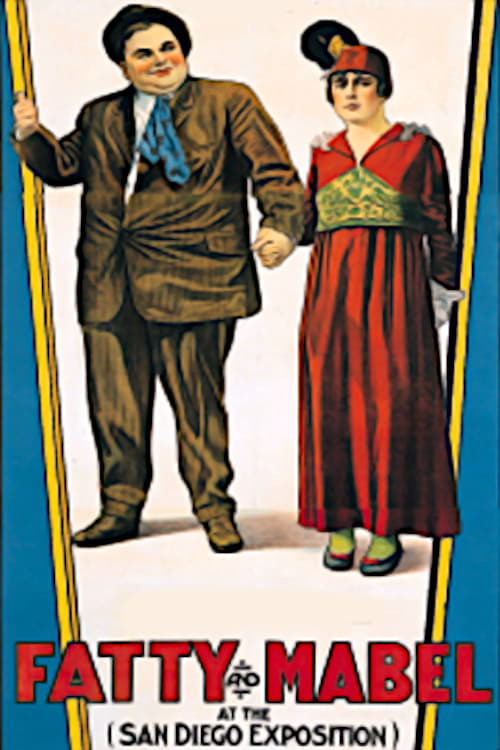
Fatty and Mabel at the San Diego Exposition
1915
No user ratings available yet
Diversity score: 1.4 out of 10
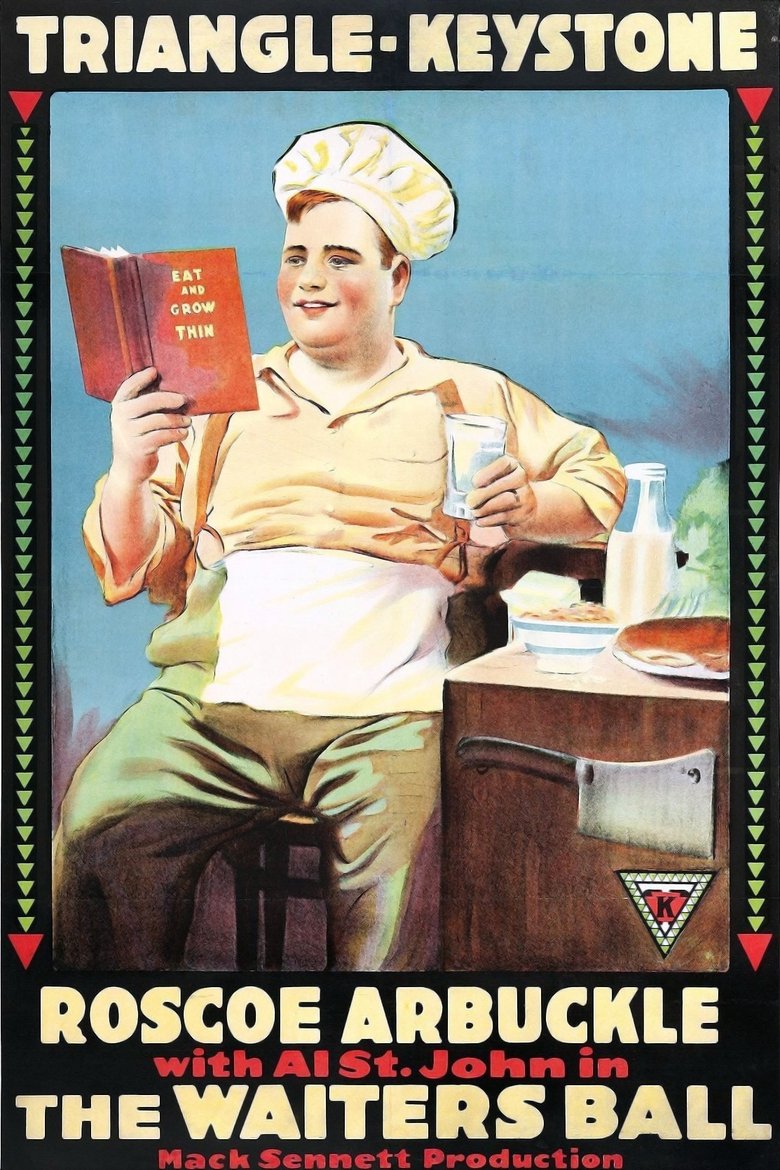
1916
NRDirector
Roscoe Arbuckle
Runtime
20 minutes
Average Rating
No ratings yetSynopsis
Fatty and Al are competing to take the same girl to the Waiters' Ball, but the formal dress requirement presents a problem: Fatty owns a tuxedo, but Al does not.
Overall Score
Minimal
Category Breakdown
LGBTQ+ Representation
The film lacks LGBTQ+ characters or narratives addressing non-cisnormative identities. The plot follows traditional romantic tropes involving a competition between two men for a woman.
Gender Representation
Female characters function primarily as objects of desire or catalysts for male rivalry. The narrative relies on conventional gendered pursuits rather than subverting established hierarchies.
Racial & Ethnic Diversity
The film focuses on social class and formal attire rather than racial or ethnic intersectionality. There is no indication of a non-white majority cast.
Religious & Cultural Diversity
The story explores social aspiration through Western institutions and class markers. The conflict centers on conforming to specific social standards like formal dress requirements.
Disability Representation
There is no evidence of characters with visible or invisible disabilities. No such characters are portrayed with agency or as central to the narrative.
Strengths
Areas for Improvement
AI Analysis
The film is a period-specific comedy that prioritizes slapstick humor and social etiquette over diverse representation. Its narrative structure is built around traditional romantic competition and class-based social standards. While the film uses physical comedy to deconstruct male dignity, it remains rooted in the conventional social hierarchies of 1916. It lacks the complexity needed to address intersectional identities or non-traditional social roles.
1915
1915
1915
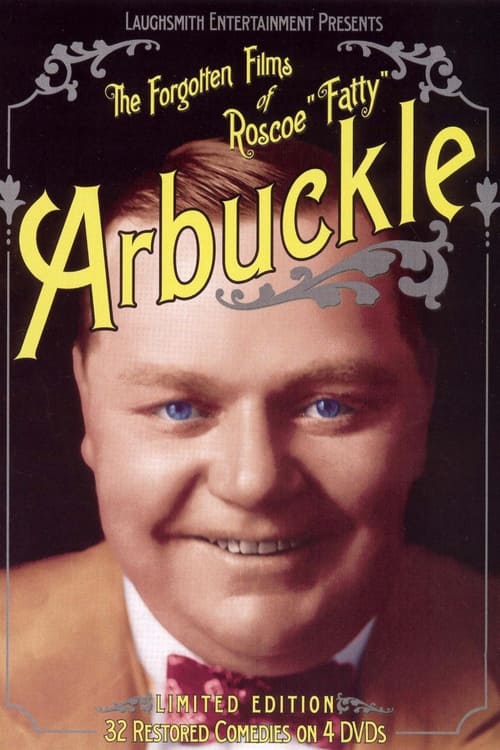
1915
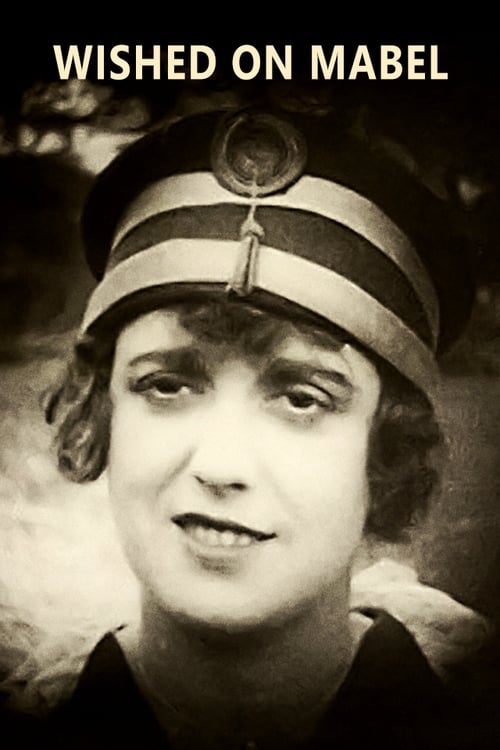
1915
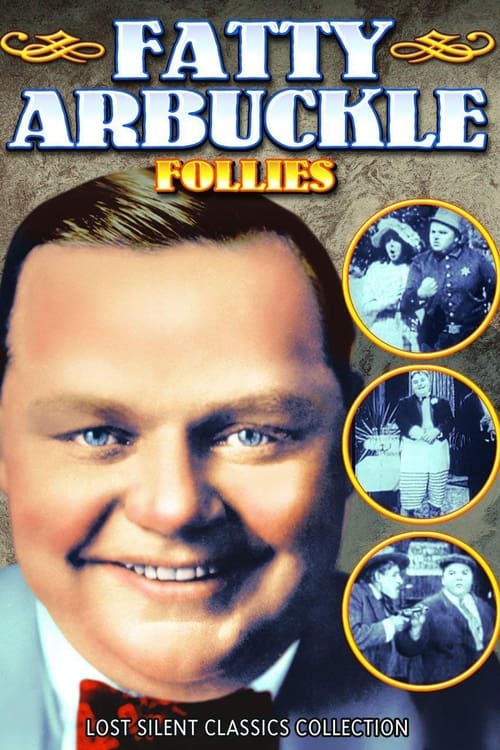
1914

1915
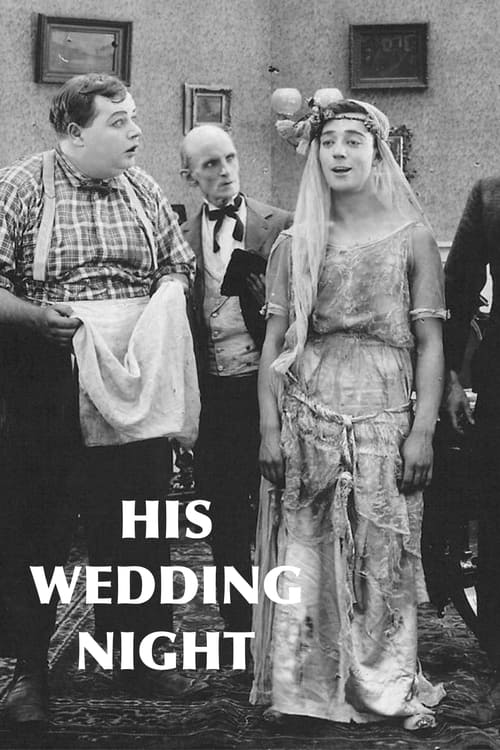
1917

1915
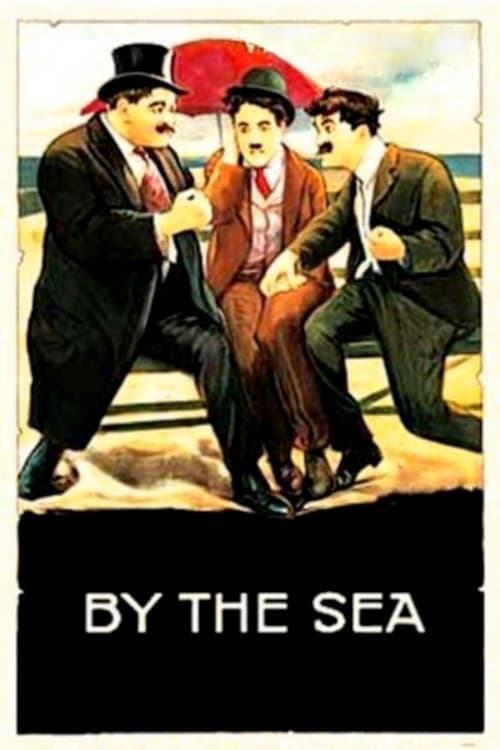
1915
1929

1917
No reviews yet. Be the first to share your thoughts on this movie!
Use the rating form above to leave a star rating and optional review.