
Landmine Warfare
1963
No user ratings available yet
Representation score: 4.4 out of 10
Representation Score
Fair
1965
Director
Ren Xudong
Runtime
100 minutes
Average Rating
No ratings yetNew Showbiz Analysis
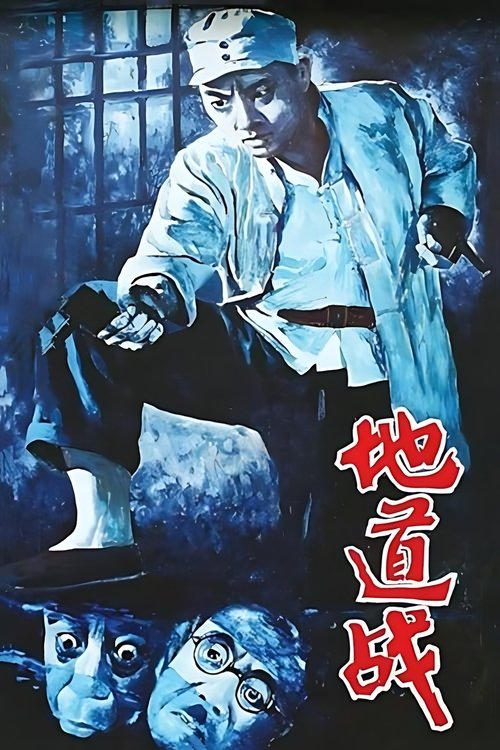
Tunnel Warfare is a significant work of anti-colonial cinema that excels in disrupting Western-centric historical narratives. By centering the ingenuity of the colonized through the tunnel network, the film provides strong racial and cultural ability to act to its indigenous characters. However, the film lacks representation in modern identity-based categories. It offers no visibility for LGBTQ+ identities or characters with disabilities, and gender roles remain largely tied to traditional communal expectations. Ultimately, the film's impact is found in its systemic critique of imperialist occupation rather than its exploration of individual identity politics.
Category Breakdown
The film does not include any LGBTQ+ characters or representations of non-straight relationships. The story focuses on the collective defense of the community within traditional social structures.
Women are shown as symbols of resilience and play important logistical roles in the resistance. However, their roles often align with traditional communal duties rather than challenging gender hierarchies.
The film centers a non-Western majority cast, positioning the indigenous population as the main drivers of the story. It serves as a direct critique of foreign imperialist occupation.
The story prioritizes communal survival and grassroots power over individualistic pursuits. It frames morality through resistance against oppressive, Western-aligned colonial structures.
There are no characters with visible or invisible disabilities portrayed in the film.
Present on Screen
Limited or Absent
Official Synopsis
A small town defends itself from the Japanese by use of a network of tunnels during the Second Sino-Japanese War.
1963
2010

1959

1961
1986

1958

1958

1975
No reviews yet. Be the first to share your thoughts on this movie!
Use the rating form above to leave a star rating and optional review.