Che
2014
No user ratings available yet
Representation score: 3.4 out of 10
Representation Score
Limited
2018
Director
Bahram Tavakkoli
Runtime
93 minutes
Average Rating
No ratings yetNew Showbiz Analysis
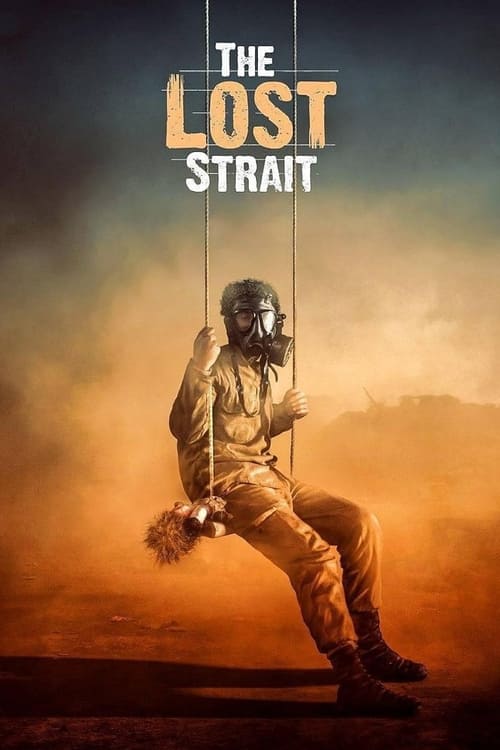
The Lost Strait is a simple war drama focusing on the Ammar battalion during the end of the Iran-Iraq war. The film highlights the raw experience of combat and fear of death rather than exploring diverse social identities. Though the film offers a unique non-Western view of warfare, it sticks to traditional social structures. The story is built around nationalistic struggle and hyper-masculine survival roles. Overall, the film serves as a study of historical and regional specifics. It does not aim to challenge or overturn traditional gender, ethnic, or social hierarchies through multi-layered representation.
Category Breakdown
The film focuses solely on military resistance and survival. It does not include any non-cisgender gender identities or stories that challenge the idea that everyone is straight.
The story emphasizes traditional masculine roles of toughness and fighting. It centers almost entirely on male soldiers and does not challenge typical gender roles.
The cast and setting are ethnically uniform, reflecting the specific region of the Iran-Iraq war. It provides a local, non-Western viewpoint on conflict.
The film depicts a traditional fight for land and survival. It aligns with conventional ideas of patriotism and duty within its specific cultural context.
Physical injuries are shown as part of the survival plot. Characters with disabilities are not given much importance beyond their combat roles.
Present on Screen
Limited or Absent
Official Synopsis
The resistance of Ammar battalion in Abughoraib strait at the last days of Iran-Iraq war.
2014

2009
2016
2010
2019

2014

2020
1990
No reviews yet. Be the first to share your thoughts on this movie!
Use the rating form above to leave a star rating and optional review.