Kozara
1962
No user ratings available yet
Diversity score: 7.8 out of 10
1973
PGDirector
Stipe Delić
Runtime
117 minutes
Average Rating
No ratings yetSynopsis
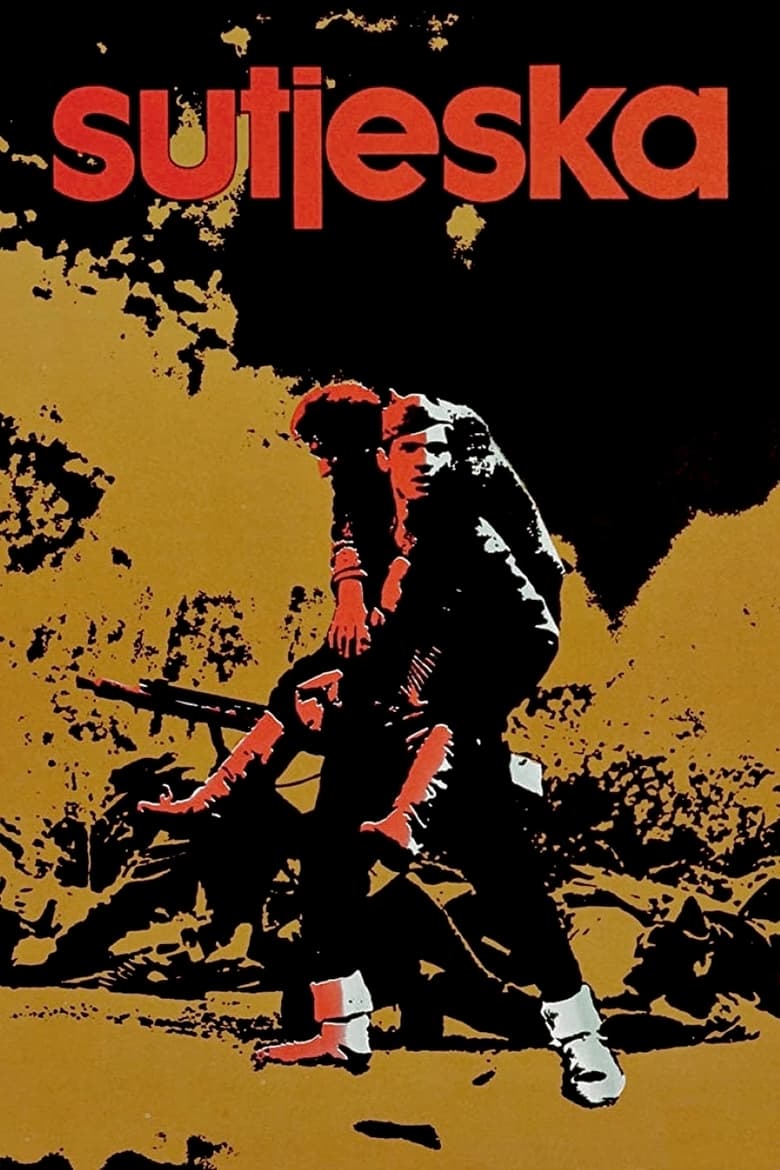
The headquarters of the Marshal Tito's Liberation Army are surrounded by Axis forces. The Partisans have no choice but to fight their way out of the encirclement and face the enemy on the plains of Sutjeska.
Overall Score
Fair
Category Breakdown
LGBTQ+ Representation
The film contains no LGBTQ+ characters or narratives. The focus remains strictly on the collective military struggle, leaving no room for queer-coded subtext or individual identity explorations.
Gender Representation
Women are portrayed as high-agency participants, serving as combatants, medics, and couriers. This depiction subverts typical gendered archetypes by making female characters essential to the movement's survival.
Racial & Ethnic Diversity
The cast functions as a microcosm of the Yugoslav ethnic landscape, integrating Serbs, Croats, and Bosniaks. This multi-ethnic ensemble serves as a metaphor for intersectional cooperation against a common enemy.
Religious & Cultural Diversity
The narrative prioritizes secularism and socialist ideology, sidelining religious institutions. It frames the struggle as a rejection of traditional hierarchies in favor of collective, anti-capitalist action.
Disability Representation
Physical suffering is used to illustrate the gravity of war rather than to provide agency to characters. The film lacks nuanced character arcs centered on disability or neurodivergence.
Strengths
Areas for Improvement
AI Analysis
The Battle of Sutjeska excels in its portrayal of ethnic and cultural unity, utilizing a multi-ethnic cast to reinforce the ideology of 'Brotherhood and Unity.' Its secular, anti-imperialist stance provides a strong framework for collective identity. However, the film lacks contemporary nuance regarding LGBTQ+ identities and disability. While women are given active roles in the resistance, the narrative remains primarily focused on the broader military and political struggle. Ultimately, the film is a study in collective identity, prioritizing systemic political liberation over individualistic or marginalized identity explorations.
1962
1974

1963
1986
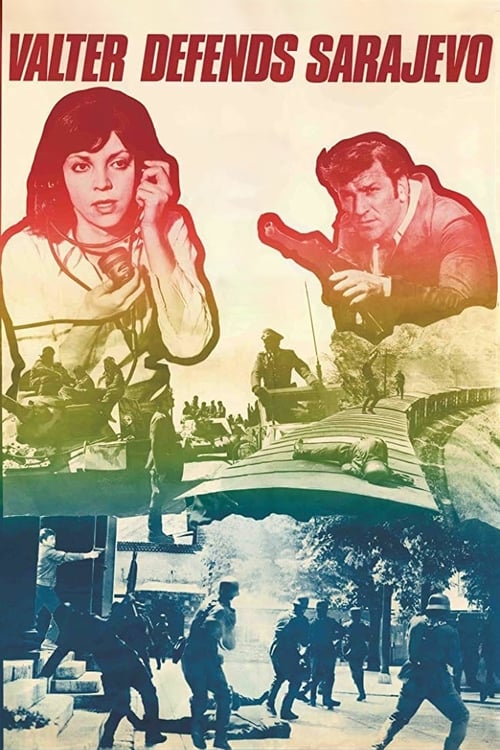
1972

1946
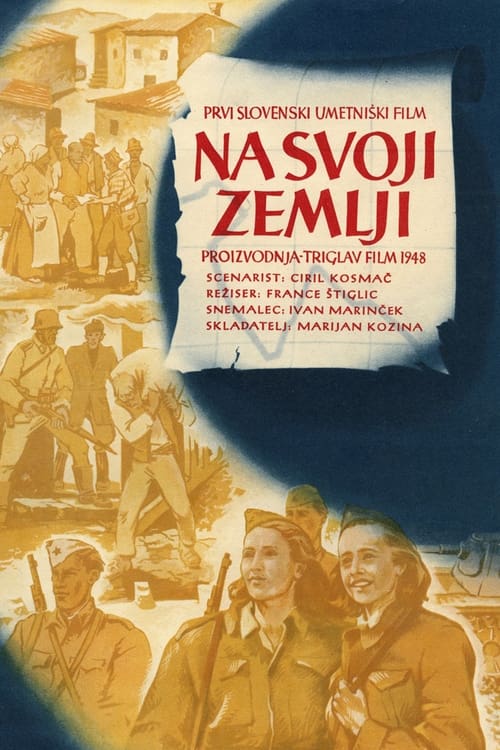
1948
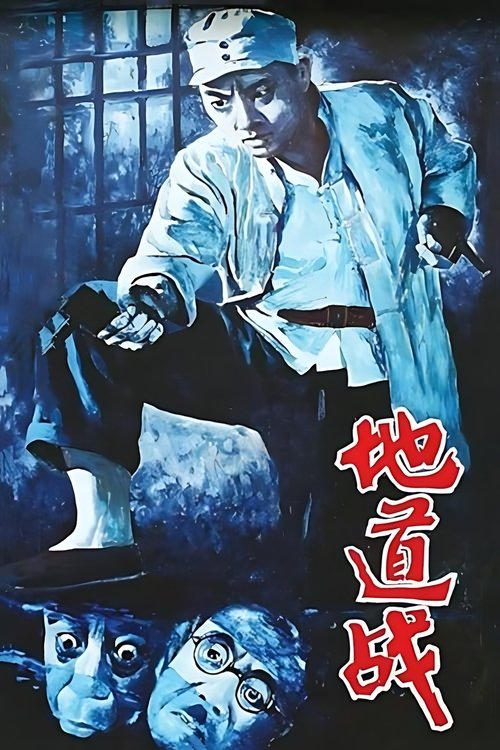
1965
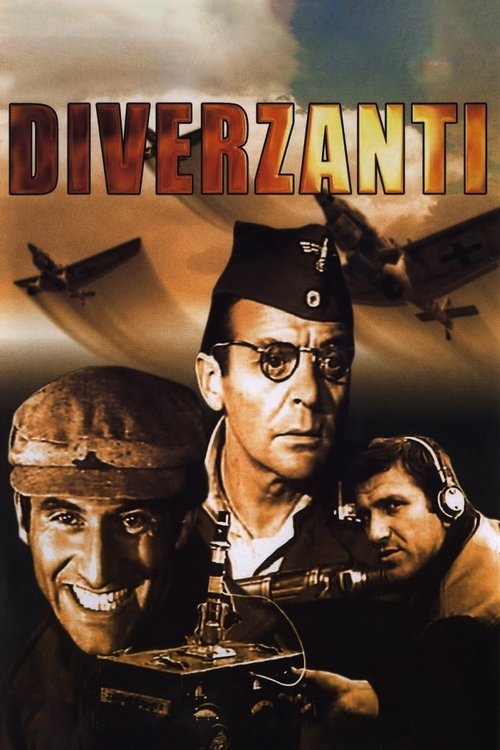
1967
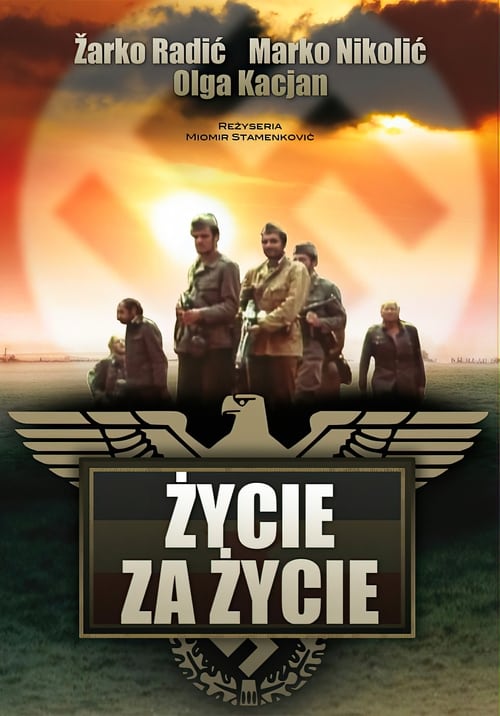
1976
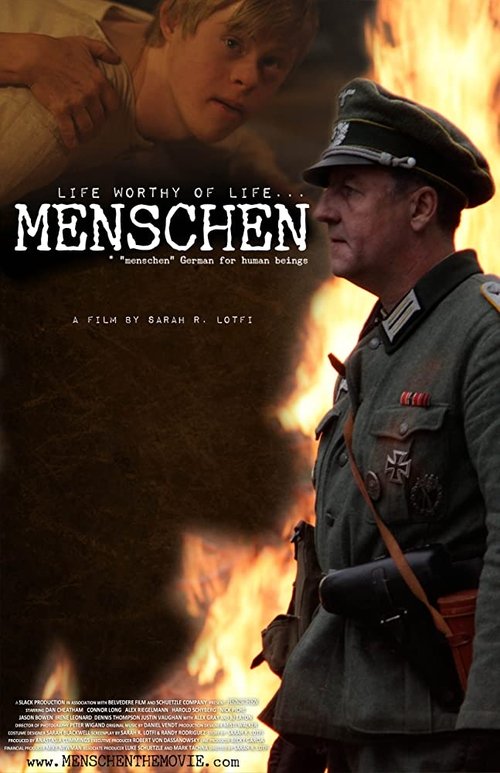
2013

1985
No reviews yet. Be the first to share your thoughts on this movie!
Use the rating form above to leave a star rating and optional review.