Battle of Mafeking
1900
No user ratings available yet
Diversity score: 1.4 out of 10
1986
Director
Yang Guangyuan, Zhai Junjie
Runtime
120 minutes
Average Rating
No ratings yetSynopsis
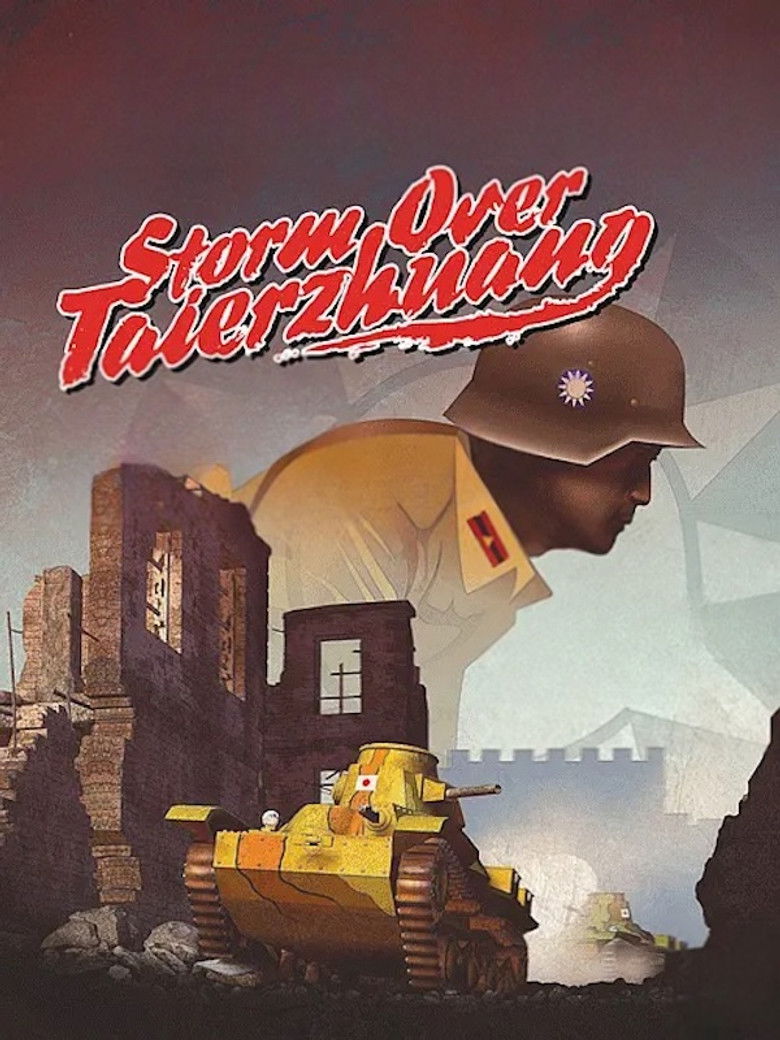
The Chinese army stops the Japanese army in 1938 at Suzhou.
Overall Score
Limited
Category Breakdown
LGBTQ+ Representation
The film lacks LGBTQ+ characters or non-heteronormative narratives. It adheres to the traditional social constraints of 1980s war cinema, focusing on military conflict rather than identity-based dynamics.
Gender Representation
The narrative prioritizes masculine leadership and combat roles. While women may appear as victims or civilian supporters, the agency to drive the military plot remains concentrated in male characters.
Racial & Ethnic Diversity
The cast is ethnically homogeneous, centering on a Chinese perspective. It provides representation of East Asian historical agency without the intersectional blending seen in contemporary Western media.
Religious & Cultural Diversity
The film focuses on anti-imperialist resistance and the defense of sovereignty. It disrupts Western-centric historical perspectives through its focus on national survival and collective duty.
Disability Representation
There is no evidence of characters with disabilities portrayed with agency. Disability is likely treated as a combat injury rather than a nuanced exploration of identity.
Strengths
Areas for Improvement
AI Analysis
The Bloody Battle of Taierzhuang is a traditional historical war drama that emphasizes nationalistic resilience and collective struggle. It functions primarily as a localized narrative of the Second Sino-Japanese War, offering a necessary non-Western perspective on historical agency. However, the film lacks modern intersectional complexity. The social structures depicted are largely traditional, with a heavy emphasis on patriarchal military leadership and a lack of representation for LGBTQ+ identities or neurodivergent experiences. While the film succeeds in providing a non-Western viewpoint on global conflict, it does not attempt to subvert established social hierarchies or explore diverse identity-driven narratives.
1900
1989

1985
1976

2018
1973
1989
1974
1947
1975
1957
1953
No reviews yet. Be the first to share your thoughts on this movie!
Use the rating form above to leave a star rating and optional review.