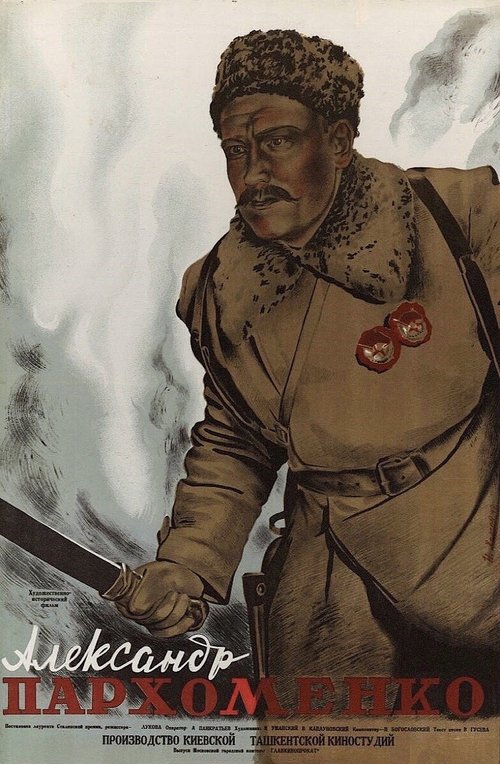
Aleksandr Parkhomenko
1942
No user ratings available yet
Diversity score: 3.5 out of 10
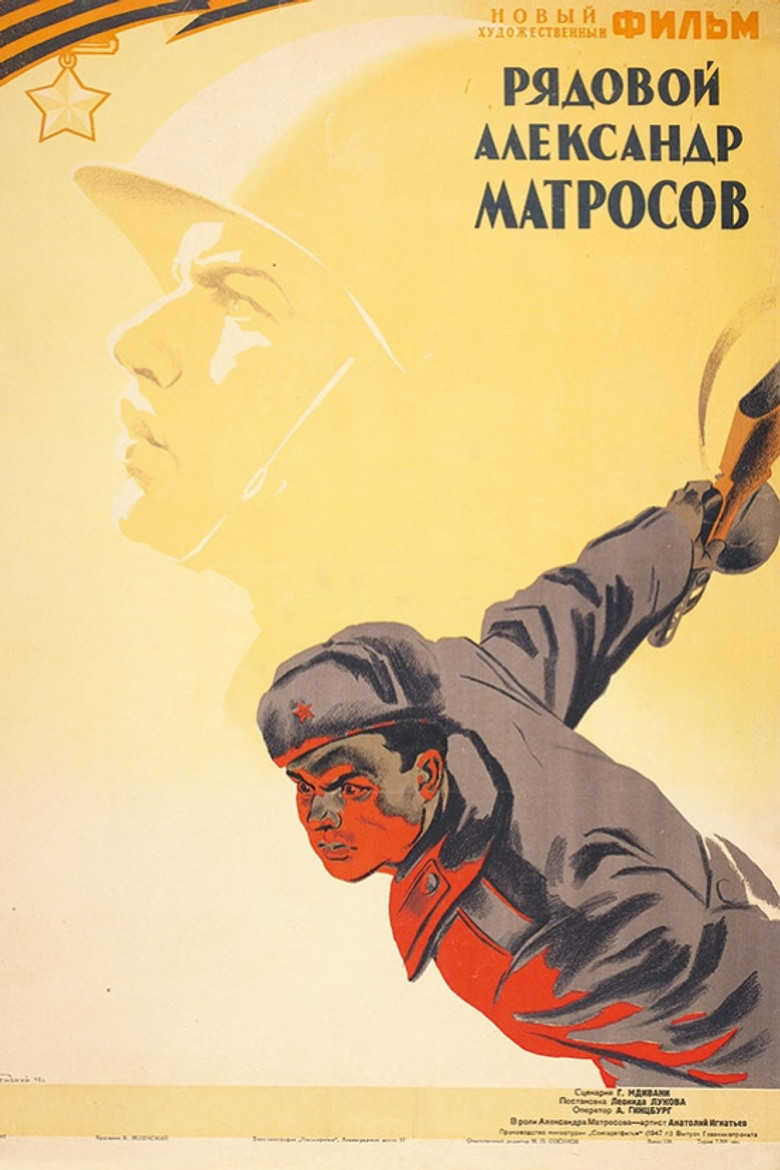
1947
K-16Director
Leonid Lukov
Runtime
92 minutes
Average Rating
No ratings yetSynopsis
The film is about the exploit of a nineteen-year-old soldier of the Great Patriotic War - Alexander Matrosov, who covered the embrasure of the enemy's bunker with his body.
Overall Score
Limited
Category Breakdown
LGBTQ+ Representation
The film contains no depictions of non-heteronormative identities or same-sex intimacy. The narrative focuses strictly on traditional masculine bonds and national duty.
Gender Representation
The story adheres to rigid gender hierarchies, centering on the male soldier as the primary agent of history. Women are relegated to secondary or domestic roles.
Racial & Ethnic Diversity
The cast is largely homogeneous, reflecting the specific ethnic composition of the Soviet units depicted. It lacks intentional blending of diverse ethnic groups.
Religious & Cultural Diversity
The film prioritizes state-sanctioned secularism and atheism. It frames the conflict as a struggle for the survival of the socialist collective against fascist aggression.
Disability Representation
There is no meaningful representation of neurodivergence or physical disability. Characters are portrayed through the lens of physical perfection and martial utility.
Strengths
Areas for Improvement
AI Analysis
Private Aleksandr Matrosov serves as a quintessential example of mid-century state realism. The film's narrative architecture is designed to reinforce national cohesion and ideological unity rather than to explore intersectional identities. While the film lacks diversity in terms of gender, race, and LGBTQ+ representation, it is highly effective in its cultural mission. It successfully implements the state-driven, secularist, and anti-capitalist values of the Soviet era. Ultimately, the work prioritizes collective identity over individual agency, using the protagonist's sacrifice to fulfill a specific ideological framework.
1942
1943
1958

1946
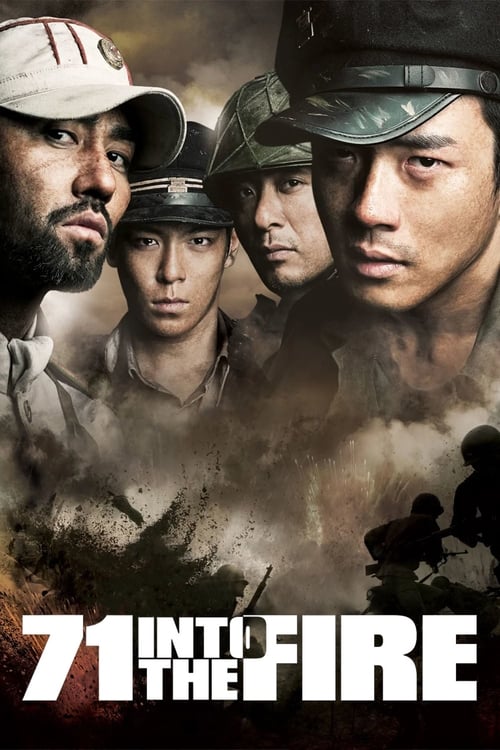
2010
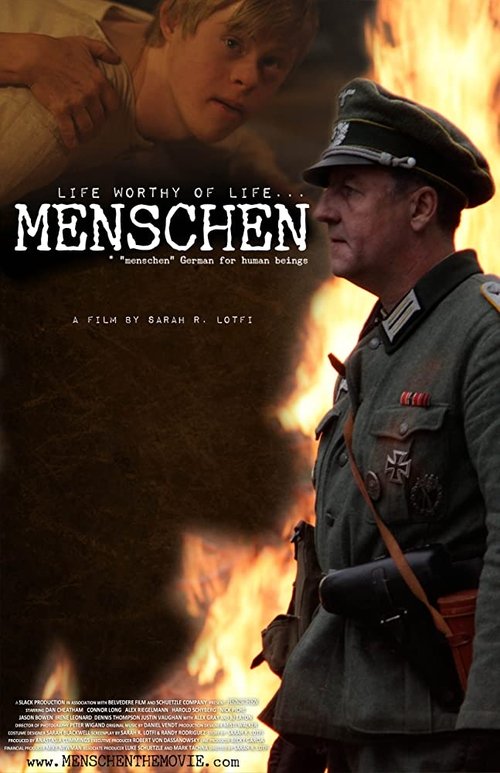
2013

2020
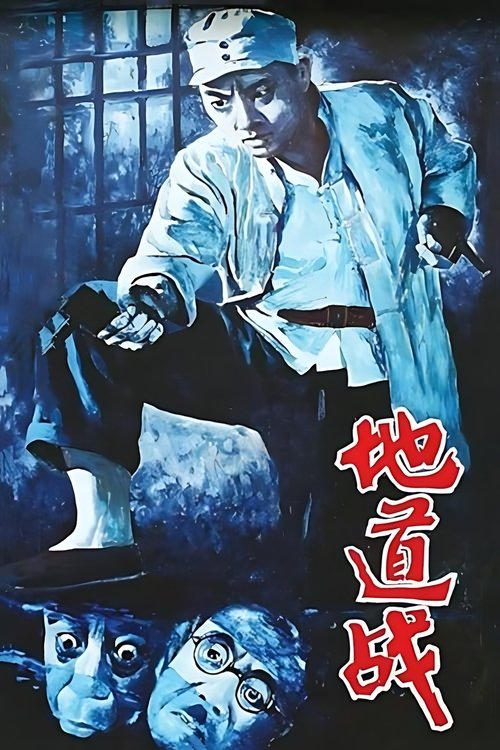
1965

1943
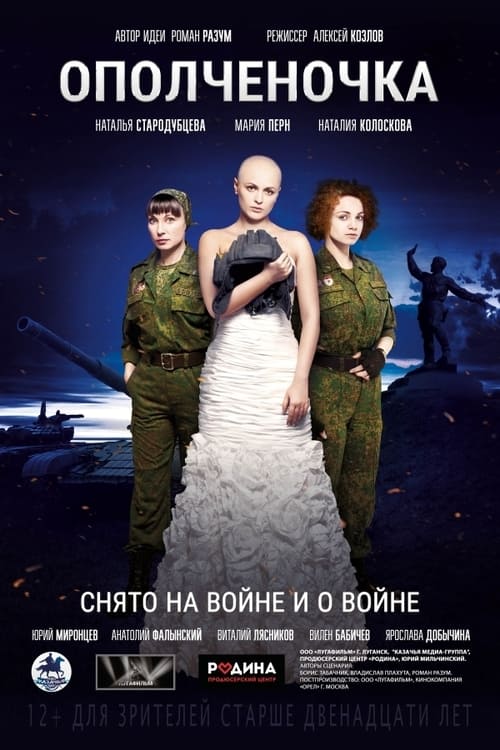
2019
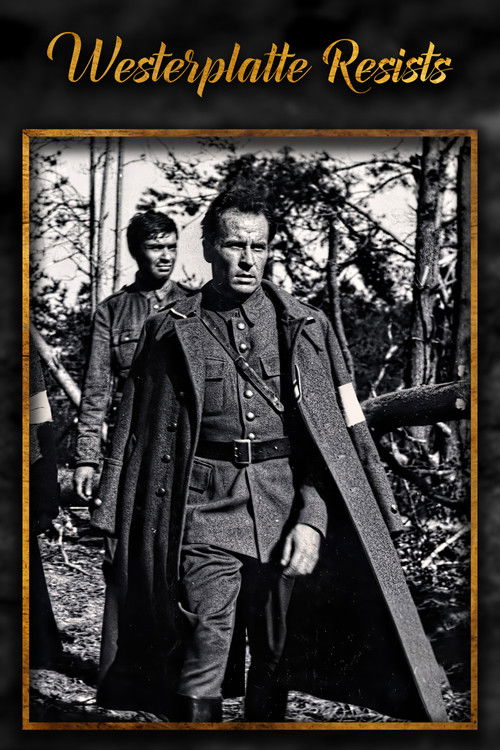
1967
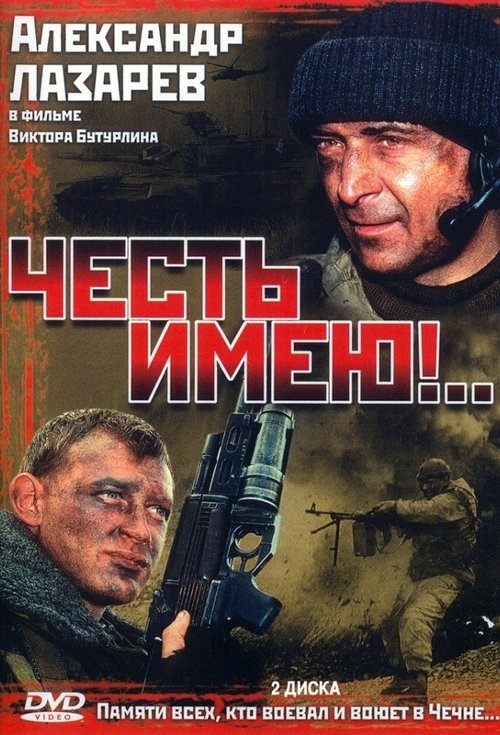
2004
No reviews yet. Be the first to share your thoughts on this movie!
Use the rating form above to leave a star rating and optional review.