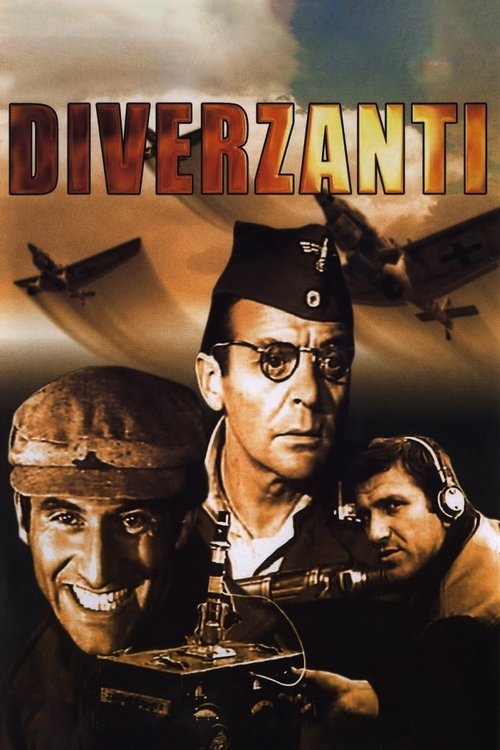
The Demolition Squad
1967
No user ratings available yet
Representation score: 5.4 out of 10
Representation Score
Fair
1972
Director
Hajrudin 'Šiba' Krvavac
Runtime
133 minutes
Average Rating
No ratings yetNew Showbiz Analysis
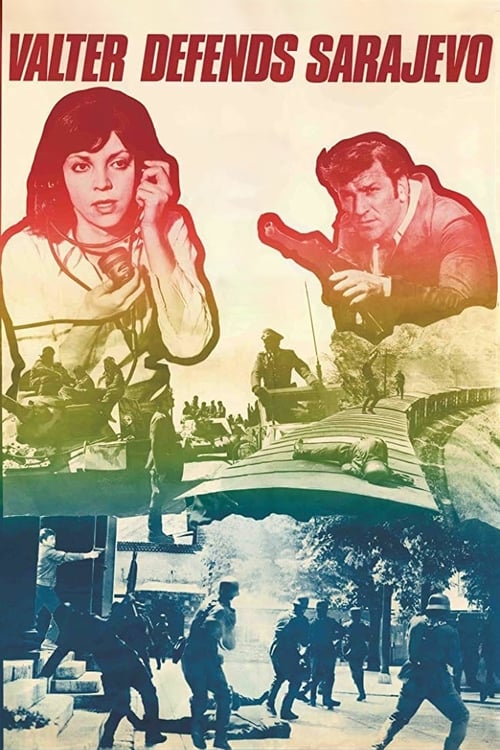
Walter Defends Sarajevo is a powerful example of how cinema can foster multi-ethnic unity and anti-imperialist values. By focusing on the 'Brotherhood and Unity' principle, the film effectively combats ethnic fragmentation through a unified resistance narrative. However, the film adheres to the social norms of its time. Women are portrayed in supportive roles for male-led combat, and there is no engagement with LGBTQ+ or disability-focused narratives. Ultimately, the film presents a mix of progressive and traditional elements: it rejects nationalist and capitalist hierarchies while maintaining conventional character roles and physical abilities.
Category Breakdown
The film does not include any representation of LGBTQ+ identities or narratives involving same-sex relationships. It focuses on revolutionary solidarity and wartime survival within the context of 1970s Socialist Realism.
Women play important roles as nurses and couriers, but their influence is tied to the male-dominated military structure. The film upholds traditional wartime roles rather than challenging gendered power structures.
The film excels in showcasing a diverse group of South Slavic identities. It promotes a unified, post-nationalist collective identity that counters the exclusionary hierarchies of the Axis powers.
The film emphasizes secular, revolutionary solidarity over religious affiliations. It portrays the struggle as a class-based liberation movement against systemic imperialist and capitalist oppression.
The film does not focus on disability or neurodivergence. Physical trauma is used mainly as a plot device to highlight the brutality of war, rather than exploring the lived experiences of those affected.
Present on Screen
Limited or Absent
Official Synopsis
Sarajevo 1944. The German armies desperately need fuel in the retreat. Walter, the enigmatic and charismatic leader of the resistance movement, can endanger their supplies. The Germans are taking a cunning plan to remove that obstacle.
1967
1966

1963

1945
1969
1964
1960
1965
No reviews yet. Be the first to share your thoughts on this movie!
Use the rating form above to leave a star rating and optional review.