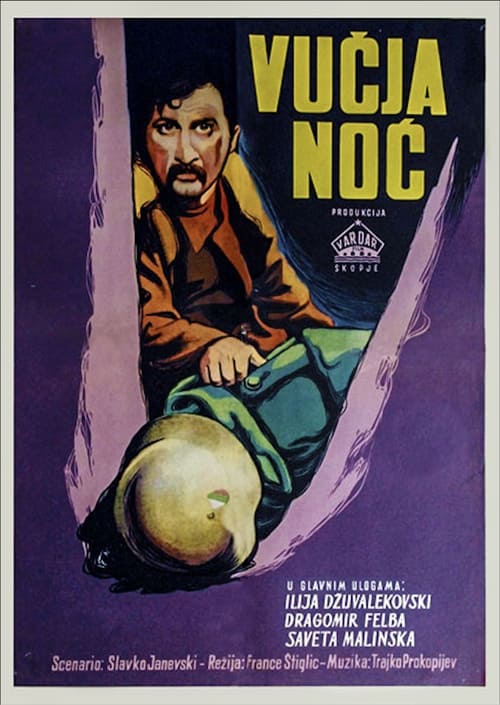
Wolf's Night
1955
No user ratings available yet
Diversity score: 5.3 out of 10
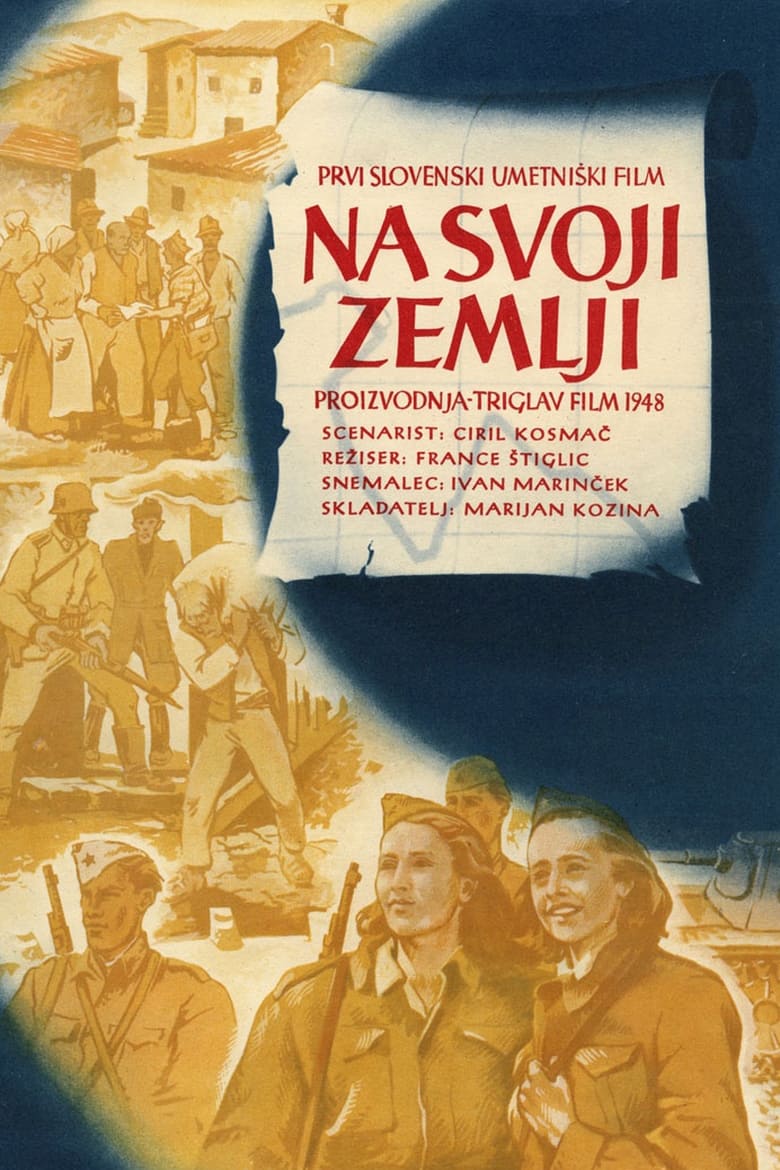
1948
Director
France Štiglic
Runtime
110 minutes
Average Rating
No ratings yetSynopsis
Set in a Slovenian coastal town in WW2, the film tells a story about villagers who help partisans to get rid of Italian, and later German authorities that ruled the town in the last years of occupation.
Overall Score
Fair
Category Breakdown
LGBTQ+ Representation
The film lacks any evidence of LGBTQ+ characters or narratives. The story focuses strictly on the socio-political struggle of a coastal community against foreign occupation.
Gender Representation
The narrative centers on a community-wide resistance movement. While it implies broad social mobilization, it tends toward traditional wartime gender roles common to 1948 cinema.
Racial & Ethnic Diversity
The film centers Slovenian identity against Italian and German authorities. This framing provides a meaningful depiction of ethnic self-determination and indigenous resistance to imperial powers.
Religious & Cultural Diversity
The narrative critiques imperial institutions by portraying occupying authorities as oppressive forces. It prioritizes anti-fascist and anti-imperialist values over traditional nationalist or capitalist structures.
Disability Representation
There is no documented evidence regarding the inclusion of characters with physical or neurodivergent disabilities.
Strengths
Areas for Improvement
AI Analysis
On Our Own Land is a significant work of mid-century resistance cinema that challenges the hegemony of dominant European powers. It excels at portraying ethnic agency and the struggle for sovereignty against colonial-style occupation. However, the film is limited by the era's social perspectives. The lack of LGBTQ+ representation and the reliance on traditional gender roles moderate its overall impact on modern diversity standards.
1955
1967

1946
1960

1965

1956
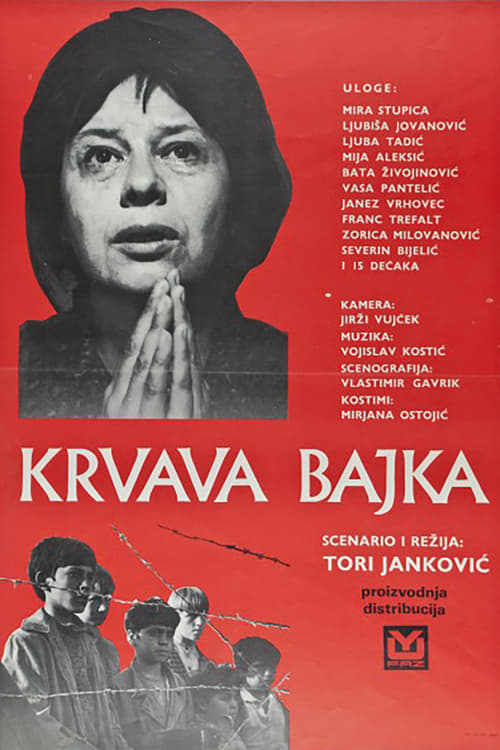
1969

1976
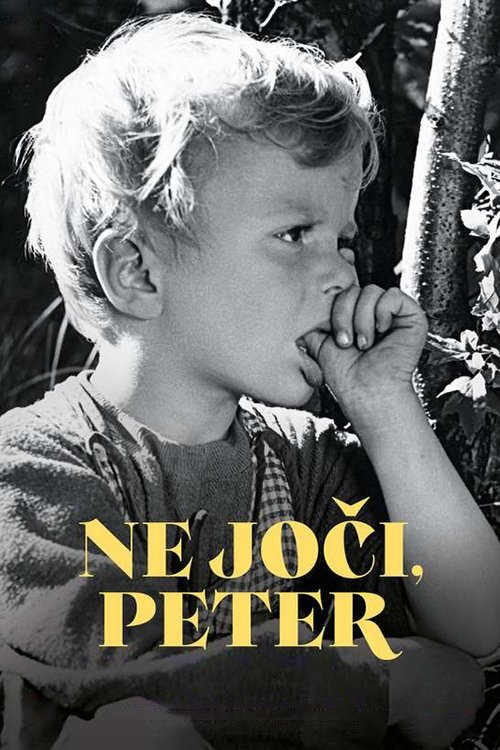
1964
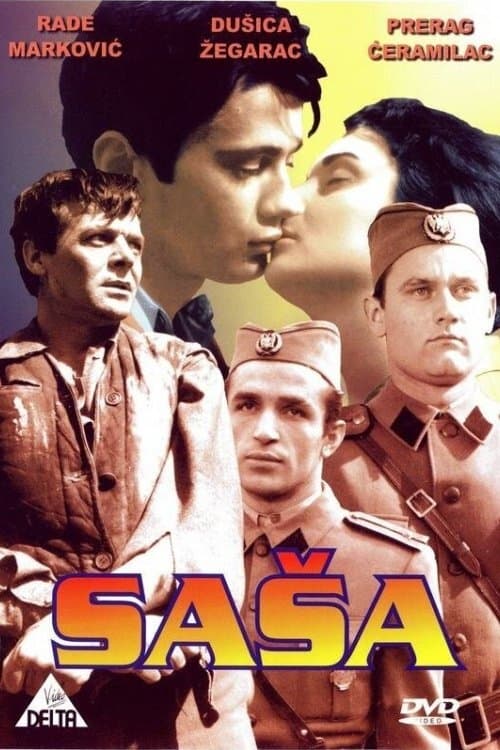
1962
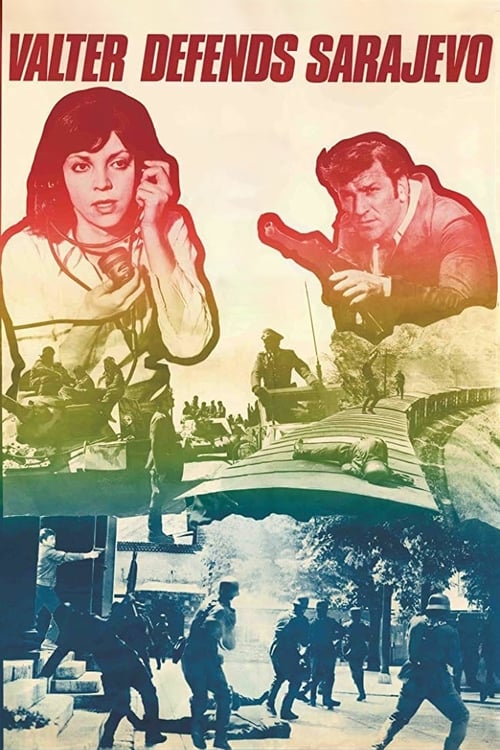
1972

1963
No reviews yet. Be the first to share your thoughts on this movie!
Use the rating form above to leave a star rating and optional review.