Johann Mouse
1953
No user ratings available yet
Diversity score: 1.4 out of 10
1936
NRDirector
Tex Avery
Runtime
8 minutes
Average Rating
No ratings yetSynopsis
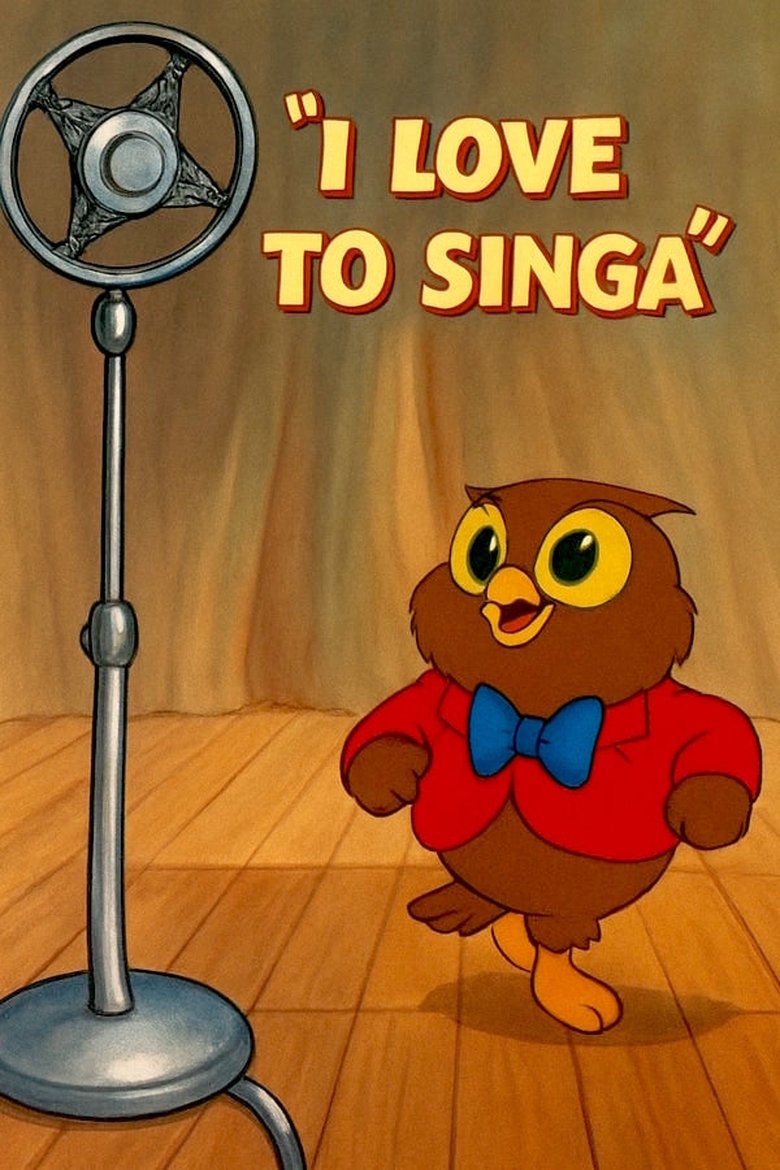
A stern classical music teacher becomes a father of four musically-inclined sons, but when one of them demonstrates a preference for jazz music, his father kicks him out of the house.
Overall Score
Minimal
Category Breakdown
LGBTQ+ Representation
The film focuses entirely on anthropomorphic avian characters and musical conflict. There are no depictions of non-cisnormative identities or same-sex intimacy.
Gender Representation
The cast consists solely of male penguins. The narrative fails to engage with femininity or provide any meaningful deconstruction of traditional masculinity.
Racial & Ethnic Diversity
As an animation featuring animal proxies, the film lacks explicit human racial or ethnic identities. The musical tension does not translate into an exploration of systemic identity.
Religious & Cultural Diversity
The story centers on a clash between classical and jazz music traditions. It treats this cultural disruption as a comedic nuisance rather than a critique of institutions.
Disability Representation
No physical, sensory, or neurodivergent disabilities are depicted. Character behaviors are framed as comedic personality traits or musical indiscipline rather than disability.
Strengths
Areas for Improvement
AI Analysis
I Love to Singa is a rhythmic gag piece that prioritizes slapstick timing over social complexity. The narrative architecture is built around a singular conflict of musical competence between a father and son, leaving little room for intersectional depth. The film relies on anthropomorphic animals to drive its comedy, which effectively removes the story from human social contexts. This results in a vacuum where gender, race, and identity are not addressed or explored. Ultimately, the short functions as a period-specific comedic trope. It lacks the intentionality required to engage with diverse identities, focusing instead on the frustration of a classical teacher facing the rise of jazz.
1953
1943
1931
1950
1964
1942
1947
1955
1945

1976
1934
1952
No reviews yet. Be the first to share your thoughts on this movie!
Use the rating form above to leave a star rating and optional review.